
Buy Food Pallets For Sale (Grocery & Snack Loads From $650)
$650.00
Current Price: From $650 Per Pallet
Status: In Stock – Limited Grocery Loads Available
Seller: Verified USA Food Liquidation Supplier
Source: Major Grocery Chains, Big Box Retailers & Distributor Overstock
Condition: Mixed – Brand New, Short-Dated, Overstock & Shelf Pulls
Items per Pallet: 500 to 1,200+ Units (Assorted Grocery & Packaged Foods)
Estimated Retail Value: Up to $4,000+ Per Pallet
Distribution Agreement Required: No
Shipping Area: Fast Freight Delivery Across USA & Worldwide
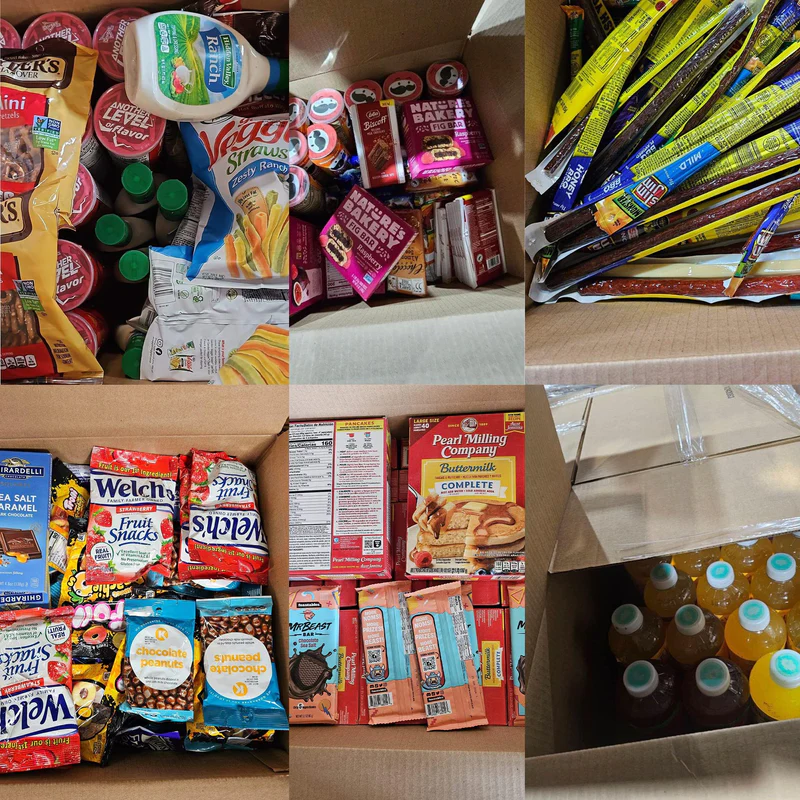
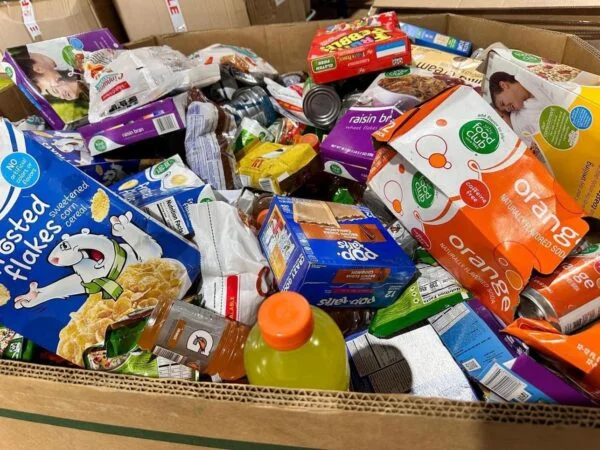
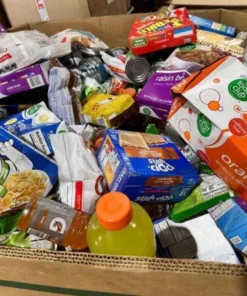
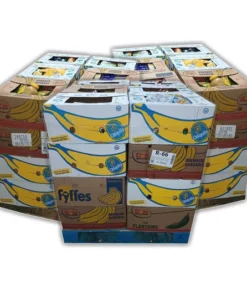
Food pallets are one of the fastest-moving liquidation categories for resellers, discount stores, convenience shops, and flea market vendors. These pallets include a high-volume mix of packaged groceries, snacks, beverages, and household food essentials sourced from national retailers and distributors.
Detailed Breakdown by Category
Snack Foods (Approx. 250 to 400 Units)
Brands: Frito-Lay, Doritos, Cheetos, Lay’s, Pringles
Sizes: Single-serve bags, family-size packs, variety cartons
Note: High resale turnover in convenience stores and gas stations
Breakfast & Cereal (Approx. 80 to 150 Units)
Brands: Kellogg’s, General Mills, Post
Sizes: Standard 10oz to 20oz boxes
Note: Often includes popular flavors and limited editions
Canned & Packaged Goods (Approx. 100 to 250 Units)
Items: Soups, vegetables, beans, pasta, sauces
Sizes: Standard 10oz to 28oz cans and boxed goods
Note: Long shelf-life products increase resale flexibility
Beverages (Approx. 80 to 200 Units)
Brands: Coca-Cola, Pepsi, Gatorade, energy drinks
Sizes: 12-pack cans, 6-pack bottles, single bottles
Note: Strong demand in local retail and event vending
Candy & Confectionery (Approx. 100 to 200 Units)
Brands: Hershey’s, Mars, Nestlé, Skittles
Sizes: Single bars, share-size packs, display boxes
Note: Excellent impulse-buy products
Example Distribution – Total 1,000 Items
Common Grocery Brands (Approx. 700 Items)
Frito-Lay: 200 items
Kellogg’s: 150 items
General Mills: 150 items
Campbell’s: 100 items
Coca-Cola & Pepsi Products: 100 items
Specialty & Mixed Brands (Approx. 300 Items)
Organic / Health Snacks: 100 items
Energy Drinks: 80 items
Seasonal Candy: 70 items
Imported Grocery Items: 50 items
These pallets are ideal for discount grocery stores, dollar stores, food banks, online resellers, and export buyers. Inventory rotates frequently, so each load offers a fresh mix of profitable, fast-moving products.
Food Pallets: Bulk Inventory And Distribution Channels
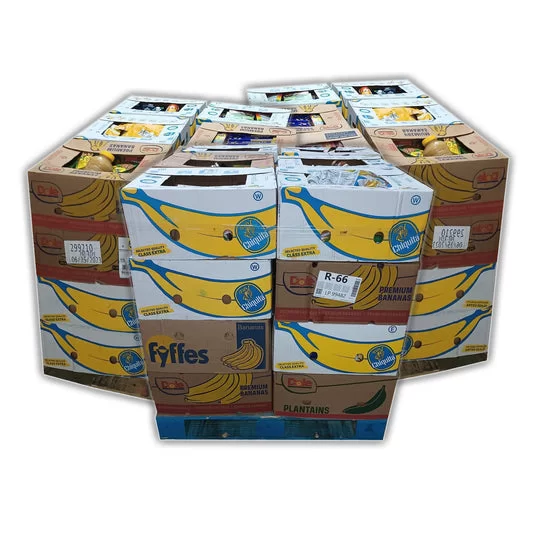
The wholesale food industry relies on efficient logistics to move massive amounts of inventory. Food Pallets are the primary units used for transporting shelf stable goods, snacks, and beverages. Businesses use these bulk units to stock grocery store shelves or supply discount retail outlets.
Understanding how these inventory units are organized is essential for any professional buyer. Large volumes of products are stacked and secured on standardized platforms to ensure safe transit. These shipments often contain thousands of individual units from top national brands and regional manufacturers.
Liquidation markets have become a popular source for many smaller retailers and online resellers. High quality goods are often sold at a fraction of their original cost due to overstock or short-coded dates. This creates a unique opportunity for high profit margins if the inventory is managed correctly.
Key Takeaways
-
Standardized shipping platforms are required for all bulk grocery shipments.
-
Wholesale and liquidation channels offer significant cost savings for savvy buyers.
-
Food grade standards must be met to ensure consumer safety and compliance.
-
Beverage shipments are often heavier and require specific weight rated pallets.
-
Retailers use secondary markets to clear out excess seasonal or promotional stock.
-
Profitability depends on understanding expiration dates and product condition grades.
-
Automated warehouses use specific pallet dimensions for high speed sorting.
-
Vetted supplier networks provide buyer protection and consistent product manifests.
Food Pallets
Food Pallets are defined as standardized shipping units that hold large quantities of consumable products. In commercial contexts, these are used to move goods from manufacturers to distribution centers. Resale markets use them to bundle diverse items for bulk purchase by secondary retailers.
These units are widely used because they maximize space in shipping containers and trucks. Without a uniform system for stacking, the logistics costs for grocery items would be much higher. Efficiency is the main driver behind the global adoption of these bulk handling systems.
Wholesale markets prefer this format because it allows for rapid loading and unloading. Liquidation markets utilize these units to sell off large volumes of surplus items quickly. Buyers can acquire a massive variety of goods in a single transaction by purchasing by the pallet.
Food Pallets Wholesale And Liquidation Markets
Wholesale inventory is usually sourced directly from manufacturers or large scale regional distributors. These products are often “A-Grade” items that are current in their marketing cycle. Distribution is handled through established logistics networks that serve major grocery chains and independent stores.
Food liquidation pallets consist of surplus inventory, overstock, or items near their best by dates. These channels are created when retailers have more product than they can sell in a specific timeframe. Brands often offload this inventory to prevent total losses and clear warehouse space for new arrivals.
| Inventory Type | Source | Typical Condition | Price Point |
| Standard Wholesale | Manufacturer | Factory New | Highest |
| Retail Overstock | Major Grocers | Clean/Current | Mid-Range |
| Liquidation | Surplus Centers | Mixed/Short-Date | Low |
| Closeouts | Discontinued Lines | Varies | Very Low |
| Seasonal Returns | Holiday Sales | Mixed Packaging | Discounted |
Grocery Store And Retail Food Pallets
Grocery store pallets are often created when a central warehouse has excess inventory for specific regions. These units may contain a mix of dry goods, canned products, or household essentials. Retailers use these bundles to move products that are no longer part of the primary store layout.
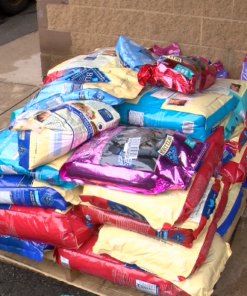
Grocery pallets for sale usually include a high percentage of national brand names. Common product types found in these loads include pasta, cereal, condiments, and snack foods. Buyers should look for manifests that list specific brand names and expiration windows for the best results.
Beverage Pallets And Drink Only Food Pallets
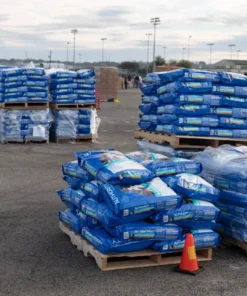
Beverage pallets are specialized shipping units that contain only liquid products. These usually consist of soda, energy drinks, bottled water, or juices. Because liquids are heavy, these units are often stacked shorter than dry goods to stay within weight limits.
Distribution channels for drink only units involve specialized heavy duty logistics. These products are often sold by the truckload to vending machine operators and convenience store owners. Liquid inventory is highly stable and has a long shelf life, making it a favorite for many resellers.
[Internal Link: Guide to Beverage Distribution Logistics]
Food Grade Pallets And Industry Requirements
Yes, food grade pallets are required by law for certain types of food handling. Compliance matters because it prevents cross-contamination between the shipping platform and the food product. These standards are enforced by agencies like the U.S. Food and Drug Administration.
Industry requirements for safety and hygiene dictate that these platforms must be easy to sanitize. They must also be free from pests, chemicals, and mold. If a pallet does not meet these strict criteria, it cannot be used in a facility that processes open food items.
How Do Food Grade Pallets Support Food Safety?
Approved materials for these units usually include high density plastic or heat treated wood. Plastic is often preferred in high hygiene areas because it is non-porous and can be washed easily. Heat treatment for wood is regulated by international standards to kill any hidden pathogens or insects.
Contamination prevention standards require that pallets are inspected for spills or damage before use. Any platform that has been used to transport chemicals or hazardous materials is strictly banned from food service. This separation of supply chains is a core part of modern food safety protocols.
What Pallets Sell The Most In The Food Industry?
The top performing categories are typically branded snacks and beverage units. These items have high turnover rates and a long period of shelf stability. Consumers consistently buy these products regardless of economic shifts, which drives steady demand for resellers.
Demand drivers include price sensitivity and the popularity of “extreme value” grocery stores. Wholesale markets see a massive spike in volume for seasonal items during the holidays. Retailers focus on high volume staples like water and coffee to keep their inventory moving quickly.
| Category | Demand Level | Turnover Speed | Profit Margin |
| Branded Snacks | Very High | Fast | High |
| Beverages | High | Very Fast | Moderate |
| Canned Goods | Moderate | Steady | Low |
| Specialty/Organic | Moderate | Variable | High |
| Condiments | Low | Slow | Moderate |
How Much Is A Food Pallet Worth?
Pricing ranges for these units can vary from $300 to over $2,000 depending on the contents. A pallet of bottled water will be priced much lower than a pallet of premium energy drinks. The total value is calculated based on the retail price of the individual units minus a steep discount.
Several factors affect the final value of the inventory. The remaining shelf life is the most significant factor for most professional buyers. The condition of the exterior packaging and the popularity of the brand also play major roles in the valuation.
Does Amazon Do A Food Pallet Sale?
Yes, Amazon does have a system for liquidating food inventory through third party partners. Amazon pallet liquidation programs help the company clear out millions of units of overstock from their fulfillment centers. These loads are often very diverse and can include items from various grocery categories.
Buyers can sometimes find listings by searching for specific SKU groups or liquidation lots. These sales are usually managed by large scale liquidation companies rather than Amazon directly. It is important to check the manifest carefully as these loads are often sold as-is without returns.
Wholesale Food Pallet Buyer Programs And Networks
Liquidation buyer programs work by giving registered members early access to new inventory arrivals. These programs often require a business license and a commitment to certain volume levels. Members benefit from lower prices and more consistent access to high demand products.
Onboarding involves a verification process to ensure the buyer can handle large shipments. Inventory condition grading is used to describe the state of the goods, ranging from factory sealed to distressed packaging. Professional networks often provide detailed photos and manifests for every available unit.
Can You Make A Profit Buying Food Pallets Wholesale?
Yes, you can make a significant profit by using smart arbitrage strategies. Resale margins are typically higher when you break down a large unit and sell the individual items at retail prices. Many successful resellers focus on “niche” markets like office breakrooms or small independent convenience stores.
Redistribution channels include local flea markets, discount grocery stores, and online marketplaces. The key to success is keeping overhead costs low and ensuring a fast turnover of stock. If inventory sits too long, the expiration dates can eat into your potential profits.
| Strategy | Difficulty | Risk Level | Potential ROI |
| Local Retail | Medium | Low | 30% to 50% |
| Online Resale | High | Moderate | 20% to 40% |
| B2B Supply | Medium | Low | 15% to 25% |
| Discount Bin | Low | High | 50% to 100% |
| Exporting | High | Very High | Variable |
Full Truckload Food Pallets And Large Volume Orders
Truckload quantities typically consist of 24 to 30 units depending on the size of the trailer. Purchasing in these volumes significantly reduces the shipping cost per item. This is the preferred method for large scale wholesalers and regional distributors.
Branded snack truckloads are a common example of high volume logistics. A single truck might carry thousands of bags of chips or boxes of crackers from a single manufacturer. Large volume orders require a loading dock and heavy duty forklifts for efficient receiving.
Frozen And Perishable Food Pallets
Cold chain requirements are mandatory for all frozen or refrigerated shipments. These units must be transported in temperature controlled trailers to prevent spoilage. Any break in the cold chain can result in the entire shipment being rejected by the receiver.
Handling frozen meat units requires extreme care and specialized storage facilities. These products have a higher risk profile due to the strict safety regulations involved. Most general liquidators do not handle frozen goods because of the high cost of refrigerated storage.
According to research from Georgia Institute of Technology, cold chain efficiency is vital for global food security. Proper insulation and temperature monitoring are required throughout the entire journey of the shipment. Failure to maintain these standards leads to massive amounts of waste in the food supply chain.
Branded Snack And Candy Food Pallets
Branded compositions usually consist of high recognition items that consumers trust. These units are very popular in the resale market because they require very little marketing effort. People already know and want the products, which leads to faster sales for the retailer.
Examples often include products from major global manufacturers like HARIBO or STORCK. These brands have massive international appeal and maintain high standards for their packaging. Buyers look for these specific brands because they hold their value well even in liquidation markets.
| Brand Example | Primary Products | Market Appeal | Typical Packaging |
| HARIBO | Gummy Candy | Kids and Adults | Hanging Bags |
| STORCK | Specialty Sweets | Premium/Gift | Boxed/Wrapped |
| Frito-Lay | Salty Snacks | Mass Market | Foil Bags |
| Kellogg’s | Breakfast/Snacks | Family Focused | Cardboard Boxes |
| Hershey’s | Chocolate | Universal | Multi-Packs |
Mixed Snack Brand Food Pallets
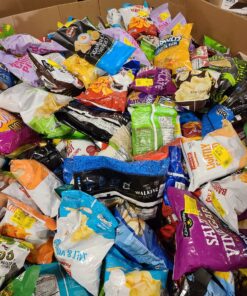
Assortment units are created by combining different types of snacks onto a single platform. This is often done at the distribution level to provide a variety of products to smaller stores. These units are excellent for buyers who want to test different products without committing to a full truckload of one item.
Resale appeal is high for mixed loads because they offer a “treasure hunt” experience for shoppers. Variety is a major draw for discount stores that serve diverse customer bases. These units allow a small shop to stock an entire snack aisle with just one or two purchases.
Pre Assembled Food Kit Pallets
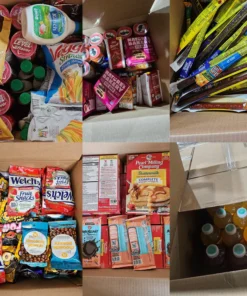
Curated food kit units are often designed for emergency preparedness or charitable donations. These kits contain a balance of nutritional items that are packaged for long term storage. They are pre assembled to make distribution easy during times of high demand or crisis.
Availability is usually based on current inventory levels at specialized packing facilities. These kits are often sold to government agencies or non profit organizations. Because they are pre sorted, they save the end user a significant amount of time and labor.
Industry standards for these kits are often guided by the U.S. Department of Agriculture. They ensure that the contents meet basic nutritional needs for the intended population. These units are a critical part of the modern food logistics infrastructure.
Frequently Asked Questions About Food Pallets
What Are Food Pallets And How Do They Work In Wholesale And Liquidation Markets?
Food Pallets are bulk shipping units used to move large quantities of grocery items through the supply chain. In wholesale markets, they act as the standard unit of trade between manufacturers and big box retailers. In liquidation markets, they are used to bundle surplus or overstocked goods for sale to secondary buyers.
These units work by consolidating small items into a single, manageable load that can be moved with a forklift. This system reduces labor costs and speeds up the transit time for perishable goods. For resellers, these units represent a way to acquire inventory at a significant discount compared to individual unit pricing.
What Are Food Grade Pallets And Why Are They Required In The Food Industry?
Food grade pallets are shipping platforms made from materials that are safe for contact with food packaging. They are required to prevent the spread of bacteria, chemicals, or pests within the food supply chain. Using these specialized units is a legal requirement in many jurisdictions to ensure public health.
The materials used, such as virgin plastic or heat treated wood, are chosen for their durability and cleanliness. These units must be maintained in good condition and inspected regularly for any signs of contamination. Without these strict requirements, the risk of foodborne illness during transport would be significantly higher.
Be the first to review “Buy Food Pallets For Sale (Grocery & Snack Loads From $650)”
Related products
Reviews
There are no reviews yet.