
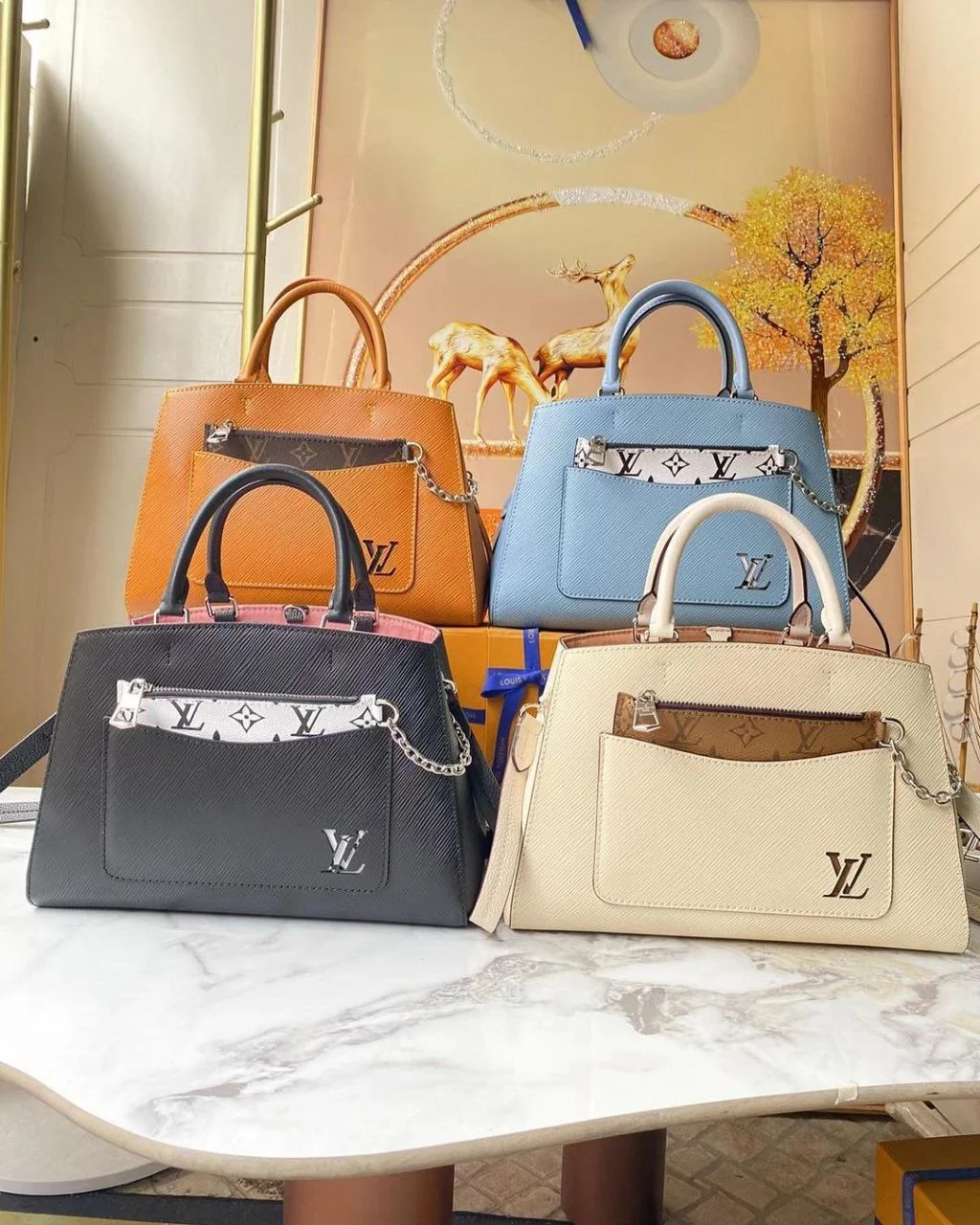
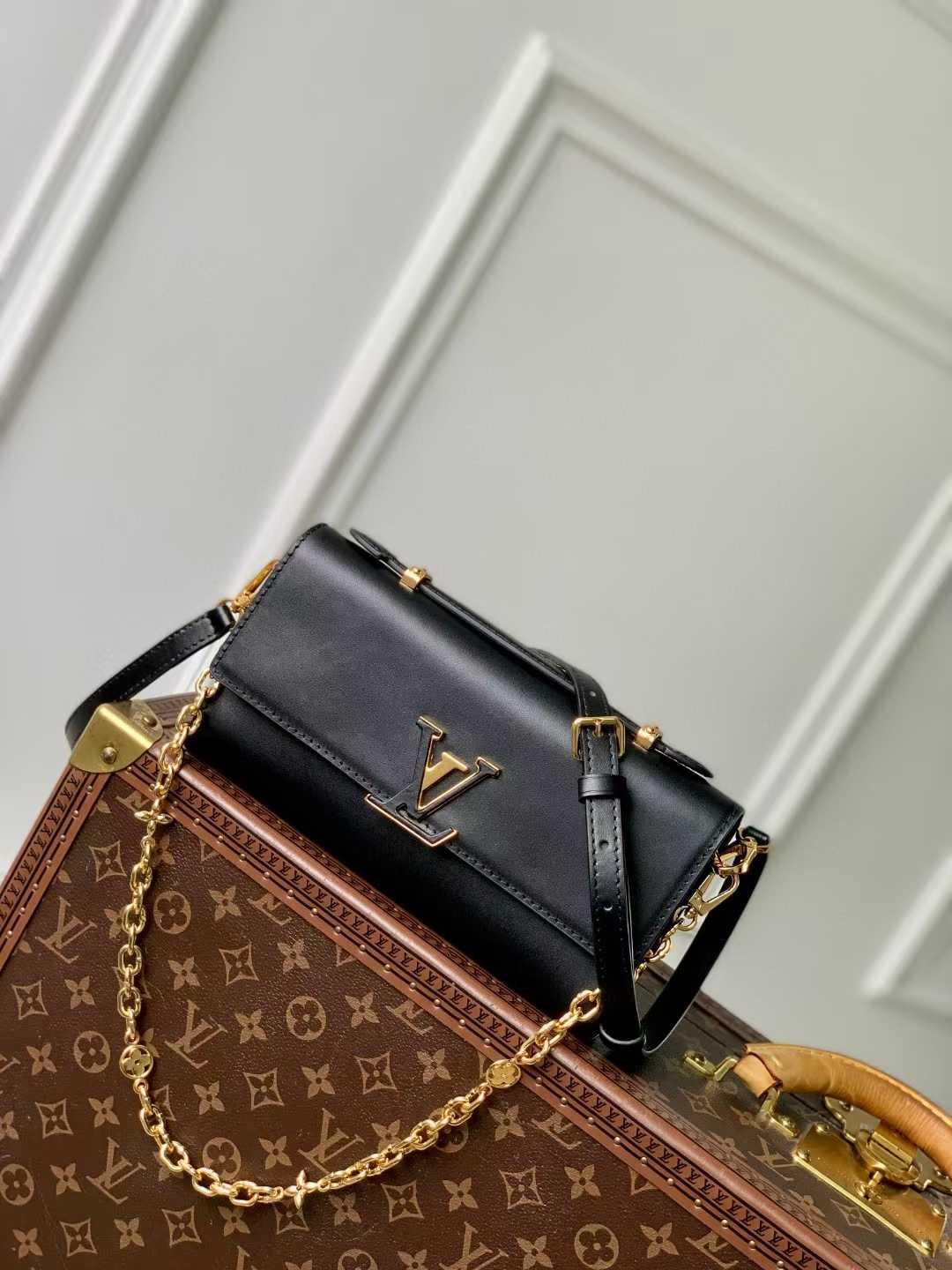
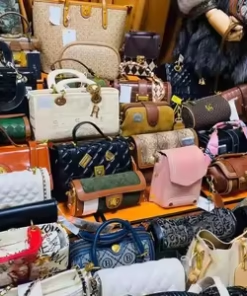
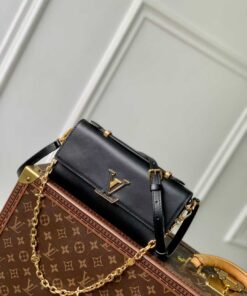
Buy Wholesale Louis Vuitton Pallets (80 Designer Bags From $4,500)

$4,500.00
Current Price: From $4,500 per pallet
Status: In Stock – High Demand Inventory
Seller: Verified Luxury Goods Liquidator
Source: Luxury Retail Overstock, Shelf Pulls & Customer Returns
Condition: Mixed – 60% Like-New, 30% Overstock, 10% Returns
Items per Pallet: 80+ Designer Pieces
Estimated Retail Value: Up to $120,000+
Authenticity: Verified Branded Merchandise
Distribution Agreement Required: Yes
Shipping Area: Fast Freight Delivery Worldwide
Short Description:
Secure wholesale Louis Vuitton pallets packed with authentic designer handbags, wallets, and accessories. Ideal for boutique owners and high-end resellers looking for strong profit margins and fast-moving luxury inventory.
Detailed Breakdown by Product Type
Louis Vuitton Handbags (40 Items)
Sizes: PM, MM, GM formats
Note: Often includes Neverfull, Speedy, Alma, and Onthego styles
Louis Vuitton Crossbody & Shoulder Bags (15 Items)
Sizes: Mini to Medium
Note: Popular styles like Pochette Metis and Favorite
Louis Vuitton Wallets & Small Leather Goods (15 Items)
Includes: Zippy Wallet, Card Holders, Key Pouches
Note: High resale turnover items
Louis Vuitton Travel & Accessories (10 Items)
Includes: Keepall Duffle, Cosmetic Pouches, Belts
Note: Strong demand in luxury resale market
Example Distribution – Total: 80 Items
Core Iconic Bags Approx. 30 Items
Limited Edition or Seasonal Styles Approx. 10 Items
Wallets and SLG Approx. 15 Items
Crossbody and Shoulder Styles Approx. 15 Items
Travel and Accessories Approx. 10 Items
Packaging: Individually Wrapped and Securely Palletized
Return Policy: Final Sale – Buyer Protection Available
Wholesale Louis Vuitton: Luxury Sourcing And Supply
Navigating the world of high-end fashion sourcing can be a complex journey for many business owners. If you are searching for wholesale louis vuitton, you have likely encountered a sea of conflicting information and suspicious offers. The truth is that the luxury market operates under very strict rules that differ from standard retail industries.
Most entrepreneurs dream of stocking their shelves with iconic monogrammed goods at a fraction of the retail price. However, understanding the reality of how these goods move through the global economy is essential for protecting your investment. This guide will break down the myths and facts surrounding luxury supply chains.
Key Takeaways
-
Louis Vuitton does not offer traditional wholesale accounts to third-party retailers.
-
Authentic items are only sold through brand-owned boutiques and their official website.
-
Most websites claiming to be wholesale vendors are selling counterfeit or infringing goods.
-
The secondary market is the only legal way to source multiple items for resale.
-
Buying “dupes” or “inspired” items carries significant legal and financial risks for businesses.
-
Price is the biggest indicator of authenticity in the luxury world.
-
Government agencies actively seize shipments of unauthorized designer goods.
-
Verification and professional authentication are mandatory for every business transaction.
Wholesale Louis Vuitton
When people search for wholesale louis vuitton, they are usually looking for a bulk supplier who can provide authentic handbags, wallets, and accessories at a discounted rate. This search is often driven by the desire to start a luxury resale business or a high-end boutique. Buyers expect a traditional B2B relationship where they buy in volume to gain a profit margin.
There is a massive gap between this perceived wholesale access and the actual distribution model used by the LVMH group. Unlike brands like Nike or Ralph Lauren, Louis Vuitton maintains total control over every unit produced. They do not have authorized distributors who sell to independent shops. Setting realistic expectations early is the best way to prevent sourcing mistakes that could lead to a total financial loss.
Is Wholesale Louis Vuitton A Legitimate Business Model?
No. Wholesale louis vuitton is not a legitimate business model in the way most retailers understand it. The brand does not allow its products to be sold in department stores or multi-brand boutiques. This strategy is known as vertical retail control, which ensures that the brand manages the customer experience and maintains high price points.
By refusing to sell through traditional wholesale channels, the brand protects its exclusivity. If any shop could buy a hundred bags at a discount, the market would be flooded, and the prestige would vanish. The risks of assuming such wholesale access exists are high, as it often leads buyers into the hands of scammers or producers of illegal replicas.
Table 1: Traditional Wholesale vs. Louis Vuitton Direct Distribution
| Feature | Traditional Wholesale | Louis Vuitton Model |
| Middlemen | Authorized Distributors | None (Brand Direct) |
| Price Control | Suggested Retail Price | Fixed Global Pricing |
| Availability | Multiple Retail Outlets | Owned Boutiques Only |
| Bulk Discounts | Common for large orders | Non-Existent |
| Inventory Source | Manufacturer to Wholesaler | Internal Production Only |
Who Are Louis Vuitton Wholesale Vendors And Do They Exist?
No, legitimate louis vuitton wholesale vendors do not exist in the primary market. Any entity claiming to be an authorized supplier or a factory-direct distributor is misrepresenting their status. In the luxury industry, the term “distributor” is frequently misused to trick international buyers into believing they have found a secret loophole in the supply chain.
These supposed vendors are often located in regions with loose intellectual property enforcement. They may use professional-looking websites and fake testimonials to build unearned trust. Because the brand manages its own manufacturing and logistics, there is no surplus inventory that gets funneled to “wholesale” partners. If a company claims they can supply new, authentic stock in bulk, they are not being honest with you.
What Does Wholesale Designer Bags Mean Compared To Wholesale Louis Vuitton?
Wholesale designer bags is a broad term that can sometimes refer to legitimate business activities. Some luxury brands like Coach, Michael Kors, or even Prada may sell older seasons to authorized outlet distributors. These multi-brand luxury wholesalers operate by buying closeout stock from department stores that need to clear shelf space.
However, Louis Vuitton is treated differently because they do not participate in these closeout sales. While you might find a wholesaler offering a mix of luxury brands, Louis Vuitton will almost never be part of that authentic manifest. The brand is famous for burning or shredding unsold inventory rather than letting it enter the discount market, which preserves its extreme high-end status.
Is Buying Second Hand Luxury A Safer Alternative To Wholesale Louis Vuitton?
Yes. Buying second hand luxury is the only legitimate way to acquire multiple items for a resale business. The “pre-loved” market is a legal and thriving industry where businesses buy used items from individuals or auctions and resell them for a profit. This is a much safer alternative because it operates within the bounds of the First Sale Doctrine in the United States.
Resale legality is well-established, but it comes with a heavy burden of proof. You must ensure that every single item you purchase is authentic. In the secondary market, authentication is the most important part of the business. You should never rely on the word of a supplier; instead, you must use third-party experts or AI-based verification tools to confirm the brand’s hallmarks.
What Role Do Designer Auctions Play In Louis Vuitton Sourcing?
Designer auctions are a major source of inventory for professional resellers. These events are where branded auction inventory from estate sales, seizures, or liquidations enters circulation. Auctions are different from wholesale sourcing because prices are determined by bidding rather than a set bulk rate. This allows savvy buyers to sometimes find deals below market value.
There are still risks involved for the buyer. Most auctions sell items “as-is,” meaning you cannot return them if you later discover a flaw. You must perform your own verification before the hammer falls. Many large auction houses in Japan and the United States specialize in luxury goods and provide their own initial grading, which adds a layer of security for the business owner.
Table 2: Comparison of New, Second-Hand, and Auction Sourcing
| Sourcing Method | Authenticity Risk | Pricing | Scalability |
| “Wholesale” Sites | Extremely High | Low (Suspicious) | Unlimited (Fake) |
| Second-Hand Resale | Low (if verified) | Market Value | Limited by Supply |
| Designer Auctions | Moderate | Variable (Bidding) | Periodic |
| Official Boutique | Zero Risk | Retail Price | Controlled |
Are LV Inspired Bags Wholesale Legal To Sell?
Doubtful. Selling lv inspired bags wholesale usually refers to products that mimic the shape, color, or patterns of the brand without using the official logo. While “inspiration” is common in fashion, there are very thin lines between a tribute and trademark infringement. If a bag uses a pattern that is “confusingly similar” to the famous Monogram or Damier prints, it can be legally seized.
Trademark boundaries are strictly enforced by the LVMH legal team. Design infringement risks can lead to lawsuits even if the letters “LV” are not present. Most business owners should avoid these products because they occupy a legal “gray area” that can lead to customs seizures and the loss of your entire investment. It is always better to sell unique designs rather than imitations of luxury icons.
Why Are Louis Vuitton Dupes Wholesale High Risk For Businesses?
The risks are extremely high. “Dupes” is a modern slang term for replicas or counterfeits, and selling them is illegal in most countries. Enforcement actions against dupes and look-alikes have increased significantly in recent years. If your business is caught selling these items, you could face massive fines or even criminal charges under the [Internal Link: Intellectual Property Rights Guide].
Beyond the legal threat, there are long-term business consequences. Major selling platforms like eBay, Amazon, and Shopify have strict policies against infringing goods. If you are flagged, you will face permanent platform bans and account shutdowns. This effectively ends your ability to do business online. The short-term profit from a dupe is never worth the risk of losing your entire digital infrastructure.
Why Are Cheap Louis Vuitton Bags A Red Flag For Wholesale Buyers?
Yes, cheap prices are the biggest red flag. The retail structure of the brand is designed to prevent discounts. Because they control their own factories and stores, there is no “factory overstock” or “backdoor” inventory. If a supplier offers you a new bag for $200 that retails for $2,000, it is a mathematical certainty that the product is fake.
Common bait pricing tactics include claiming the items are “master quality” or “UA” (unauthorized authentic). These are marketing terms invented by counterfeiters to justify their prices. Realistic pricing expectations should always be close to the retail value for new items, or 50% to 70% of retail for used items in good condition. Anything lower suggests a scam or an illegal product.
Table 3: Risk Assessment of Inspired Bags vs. Replicas
| Product Type | Legal Status | Platform Risk | Consumer Perception |
| Inspired Bags | Gray Area | Moderate | Low Value |
| Replicas/Dupes | Illegal | Extreme | Fraudulent |
| Authentic Used | Legal | Low | High Value |
Why Do Alibaba Listings Claim Wholesale Louis Vuitton?
B2B platforms like Alibaba often have thousands of listings using these keywords. These platforms label products misleadingly to capture search traffic from hopeful buyers. When you see Wholesale and Custom Louis Vuitton on these sites, it usually means the manufacturer is willing to put a fake logo on a generic bag or sell you a replica.
There is a common misconception about Trade Assurance on these platforms. While it protects you from not receiving an order, it often does not protect you if the items are seized by customs for being counterfeit. Most of these sellers are not authorized by the brand, and their documentation is often forged to pass initial platform checks.
How Can Buyers Vet Suppliers Claiming Louis Vuitton Wholesale?
If you encounter a supplier claiming to offer wholesale access, you must follow a structured approach to due diligence. First, ask for their business license and check if it is registered in a jurisdiction with strong trade laws. Request high-resolution photos of the actual stock, not just stock images taken from the official website.
A legitimate business will have no problem providing references or proof of past transactions in the secondary market. You should also check for a physical address and a verifiable phone number. Most importantly, use a secure payment method that offers buyer protection. If a supplier insists on wire transfers or cryptocurrency, you should walk away immediately.
What Legal Risks Are Associated With Wholesale Louis Vuitton Claims?
The legal risks are severe and multifaceted. Trademark and intellectual property exposure can lead to civil lawsuits where the brand seeks damages for every unit sold. Furthermore, [External Link: U.S. Customs and Border Protection] actively monitors shipments for counterfeit goods. If your inventory is seized at the border, it will be destroyed, and you will not receive a refund.
Cross-border enforcement is a priority for many governments to stop the flow of illicit goods. Beyond fines, you may be placed on a “watch list,” making all your future imports subject to intense scrutiny. Resale platforms also share data with law enforcement, meaning a single report of a fake bag could trigger an investigation into your entire business history.
Can AI Help Identify Fraud In Wholesale Louis Vuitton Listings?
Yes, AI is becoming a powerful tool for buyers. Modern AI tools can detect counterfeit patterns in photos by analyzing the stitching, font spacing, and material texture that the human eye might miss. Listing analysis software can also flag suspicious keywords or pricing anomalies that indicate a fraudulent seller.
However, automated tools have limitations. Counterfeiters are constantly improving their methods to fool both humans and machines. AI should be used as a first line of defense, but it should never replace a professional physical inspection by a certified authenticator.
Table 4: Red Flags in B2B Platform Listings
| Red Flag | Meaning | Danger Level |
| “Stock Photos” Only | Seller does not have the items | High |
| Wire Transfer Only | No way to recover lost money | Extreme |
| “Factory Direct” | LV does not sell from factories | Certain Fraud |
| Prices under $500 | Impossible for authentic new items | Certain Fraud |
How Can Businesses Pivot Away From Wholesale Louis Vuitton Safely?
If you find that the luxury market is too difficult to enter, you should consider alternative sourcing strategies. One option is to focus on “contemporary luxury” brands like Tory Burch or Kate Spade, which do have legitimate wholesale and outlet channels. You could also explore [Internal Link: Private Label Branding Guide] to build your own unique fashion line.
Another path is to work with verified luxury sourcing services. These are professional consultants who help you find authentic pre-owned inventory from reputable Japanese or European auctions. Exploring verified luxury sourcing services through our website can help you avoid legal exposure and inventory loss while still offering high-end products to your customers.
Why Understanding Wholesale Louis Vuitton Reality Protects Your Business?
Informed decisions are the foundation of a successful company. By understanding that wholesale louis vuitton is a myth, you protect your financial, legal, and operational interests. You will not waste capital on seized goods or lose your reputation by selling fakes to unsuspecting customers.
The luxury industry is built on trust and exclusivity. Embracing the reality of the market allows you to build a sustainable business model based on authentic resale or high-quality alternatives. If you are serious about entering the high-end fashion space, we invite you to contact us for vetted luxury sourcing guidance and compliance support to ensure your business stays on the right side of the law.
Table 5: Legal Consequences of Selling Infringing Goods
| Category | Potential Penalty | Impact on Business |
| Civil Liability | Thousands in statutory damages | Potential Bankruptcy |
| Asset Seizure | Loss of all inventory | Immediate Revenue Stop |
| Platform Bans | Permanent loss of eBay/Amazon/Shopify | Total Market Lockout |
| Criminal Charges | Fines and potential jail time | Permanent Legal Record |
Frequently Asked Questions About Wholesale Louis Vuitton
Is Wholesale Louis Vuitton Actually Available To Retail Buyers?
No. Louis Vuitton does not sell its products at wholesale prices to any retail buyers, boutiques, or third-party websites. The brand only sells through its own controlled network of stores. Any offer of “wholesale” prices for new items is a scam.
How Does Louis Vuitton Control Its Supply Chain And Distribution?
The brand uses a vertical integration model. They own their tanneries, their workshops, and their stores. This allows them to monitor every bag from the moment the leather is cut until it is handed to a customer in a branded shopping bag. According to the [External Link: World Intellectual Property Organization], this level of control is essential for maintaining brand equity.
Be the first to review “Buy Wholesale Louis Vuitton Pallets (80 Designer Bags From $4,500)”
Related products
Liquidation Store


Clothing Pallets

Liquidation Store
Liquidation Store
Reviews
There are no reviews yet.