
-
×
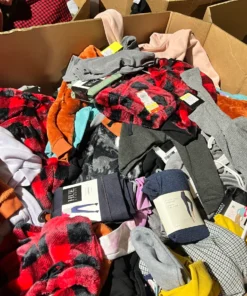 Mixed Clothings Pallet
1 × $600.00
Mixed Clothings Pallet
1 × $600.00 -
×
 Amazon Mystery Box
1 × $450.00
Amazon Mystery Box
1 × $450.00
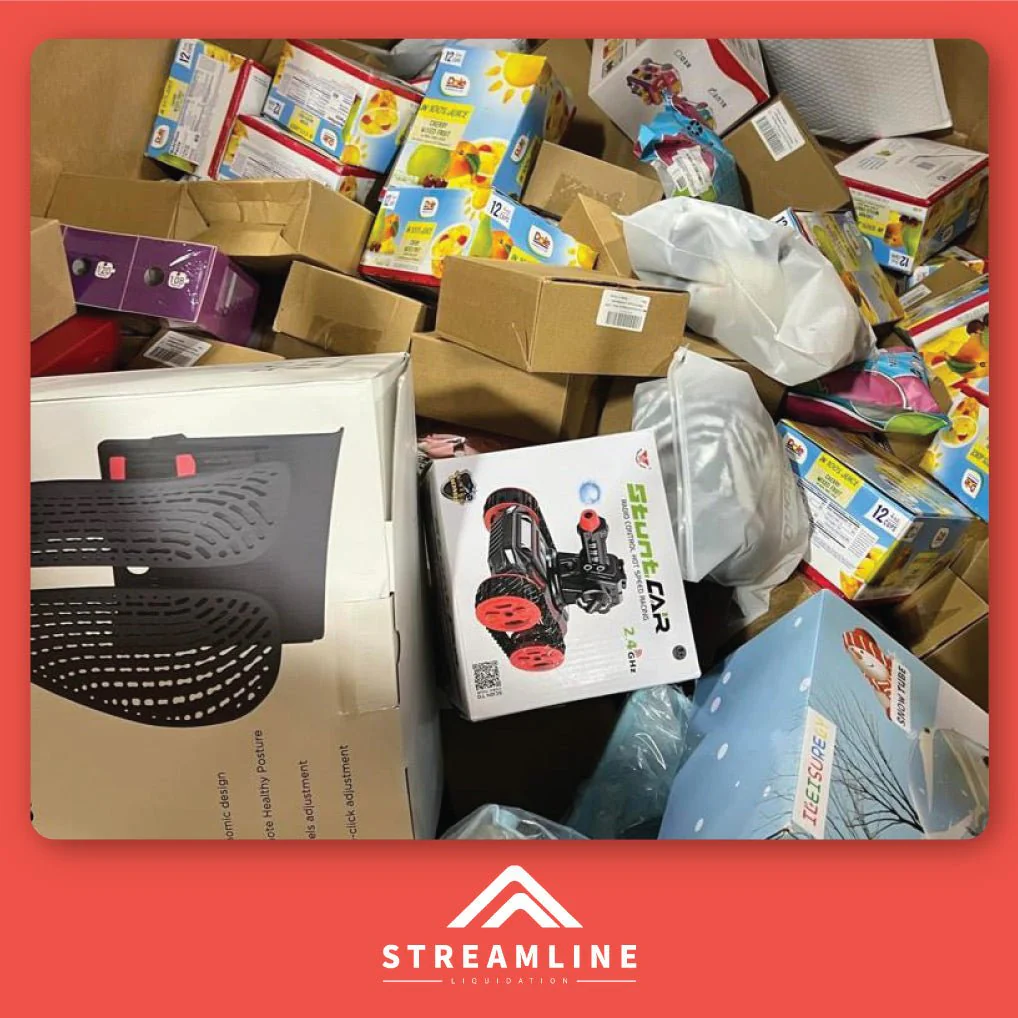
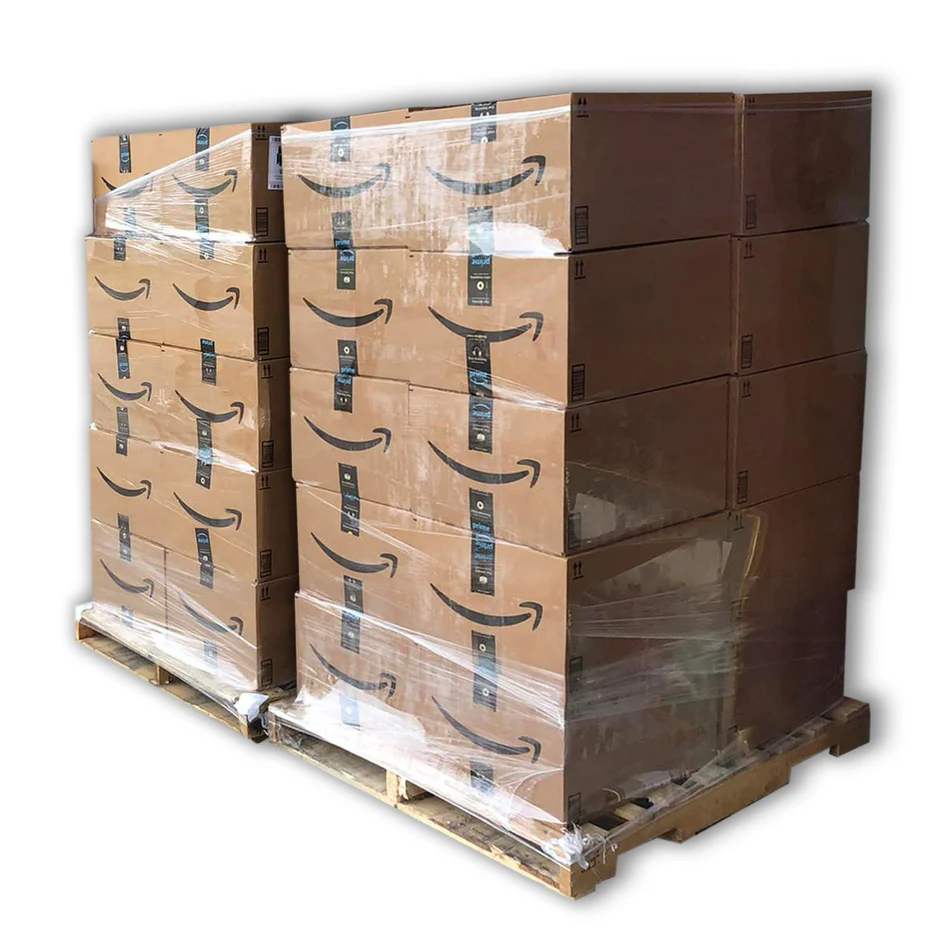
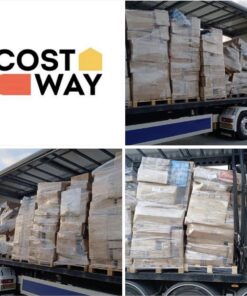
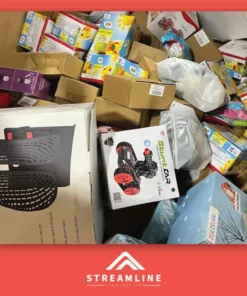
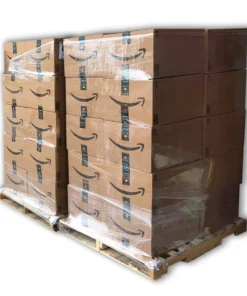
Buy Costway Liquidation Pallets (150+ Items From $650)

$650.00
Current Price: From $650 per Pallet
Status: In Stock – Limited Truckloads Available
Seller: Verified Costway Liquidation Distributor
Source: Costway Overstock, Customer Returns & Shelf Pulls
Condition: Mixed – New, Like-New, Open Box & Light Returns
Items per Pallet: 150+ Assorted Home & Outdoor Products
Estimated Retail Value: Up to $4,000+
Distribution Agreement Required: No
Shipping Area: Fast Freight Delivery Across USA & Worldwide
Short Description:
Buy Costway liquidation pallets packed with high-demand home, garden, fitness, and furniture products. Ideal for Amazon, eBay, Facebook Marketplace, and local resale stores.
Detailed Breakdown by Category
Home Furniture (Approx. 40 Items)
Includes: Coffee tables, accent chairs, TV stands, storage cabinets
Condition: Mostly New & Open Box
Resale Note: Strong demand for small-space and apartment furniture
Outdoor & Patio (Approx. 25 Items)
Includes: Patio chairs, folding tables, umbrellas, garden sets
Condition: New & Shelf Pulls
Resale Note: Seasonal high-profit category
Fitness Equipment (Approx. 20 Items)
Includes: Treadmills, dumbbell sets, exercise bikes, yoga benches
Condition: Open Box & Light Returns
Resale Note: High-ticket items with strong online resale value
Kids & Baby Products (Approx. 20 Items)
Includes: High chairs, ride-on cars, toy storage, playpens
Condition: New & Overstock
Resale Note: Fast-moving category in local marketplaces
Kitchen & Appliances (Approx. 25 Items)
Includes: Air fryers, mini fridges, kitchen carts, cookware sets
Condition: Mixed – Mostly Functional Returns
Resale Note: Strong everyday demand
Tools & Home Improvement (Approx. 20 Items)
Includes: Power tools, ladders, toolboxes, workshop storage
Condition: Mixed
Resale Note: Popular with contractors and DIY buyers
Example Manifest Distribution – Total: 150 Items
Common Home Goods – 60 Items
Outdoor & Patio – 25 Items
Fitness Equipment – 20 Items
Kids Products – 20 Items
Kitchen Appliances – 15 Items
Tools & Hardware – 10 Items
Packaging: Palletized, Shrink Wrapped & Securely Loaded
Loading Type: Dock & Forklift Ready
Costway Liquidation Pallets: Work And Categories
The world of bulk reselling is often driven by finding high quality inventory at a fraction of the retail price. One of the most popular options for modern entrepreneurs is sourcing costway liquidation pallets. These pallets offer a gateway into the home goods and furniture market without the massive overhead of traditional retail. By understanding how these bundles are categorized and sold, you can build a sustainable business model.
Key Takeaways
-
Costway pallets consist of overstock, seasonal clearance, and customer returns.
-
Inventory is categorized by grades ranging from like new to salvage condition.
-
Furniture, home appliances, and fitness gear are the most common categories.
-
Profitability depends on accurate cost calculations and shipping logistics.
-
Sourcing can be done through wholesalers, B2B marketplaces, or direct auctions.
-
Buying truckloads offers the lowest per-unit price for high-volume sellers.
Costway Liquidation Pallets
Costway liquidation pallets are bulk lots of returned, overstock, or excess inventory sold at discounted wholesale prices. These lots are generated when a major retailer needs to clear warehouse space quickly. Instead of selling items individually, the goods are bundled together and sold to secondary market buyers.
These pallets include return pallets, overstock pallets, mixed pallets, and full truckloads containing 24 to 26 pallets. Each type of pallet serves a different purpose for the buyer. Overstock items are usually brand new, while returns may show signs of handling or use.
Buying in bulk reduces per-unit cost, increases profit margins, and helps resellers grow online or offline businesses. When you buy a pallet, you are essentially purchasing a mini-business in a box. The goal is to process the items and sell them for more than the combined cost of the pallet and shipping.
What Are Costway Return Pallets?
Costway return pallets contain products returned due to open-box issues, minor defects, shipping damage, or buyer remorse. Not every item in a return pallet is broken. In many cases, a customer simply changed their mind or found the assembly too difficult.
Items may include furniture, appliances, fitness equipment, and home décor in mixed conditions. Because these items have been handled by customers, they require inspection. Resellers must be prepared to clean or basic repair some items to get them ready for sale.
Many products can be repaired or resold individually for strong resale value and higher margins. A common strategy involves using two broken items to create one functional unit. This process increases the overall recovery value of the pallet.
How Do Costway Liquidation Pallets Work?
Returned and overstock inventory is sorted, bundled into pallets, and sold to liquidation wholesalers or auction platforms. This process starts at the Costway distribution centers. Once a high volume of returns or overstock accumulates, the inventory is moved to the liquidation department.
Pallets are categorized as manifested or unmanifested and graded by condition such as A, B, C, or salvage. A manifest is a detailed list that shows every item included in the pallet. Unmanifested pallets are more of a mystery, which can lead to higher risks but also higher potential rewards.
Resellers purchase these pallets through wholesale marketplaces and resell items individually for profit. According to the Federal Trade Commission guidelines on business opportunities, it is vital to research the seller before investing. Most transactions are final, so the buyer assumes the risk of the inventory condition.
| Pallet Type | Typical Condition | Best Sales Channel |
| Overstock | New / Like New | Amazon or Boutique |
| Customer Returns | Mixed / Open Box | eBay or Facebook Marketplace |
| Salvage | Damaged / Parts | Local Repair Shops |
| Seasonal | New / Discontinued | Discount Retail Stores |
| Mixed Lots | Variety | Flea Markets |
What Is The Main Purpose Of Costway Liquidation?
Costway liquidates inventory to manage customer returns, overstock, and seasonal clearance items. Large retailers cannot afford to keep non-moving inventory on their shelves. The space occupied by a returned treadmill is space that could hold a new, high-demand item.
This process helps reduce warehouse storage costs and improve company cash flow. By selling these items in bulk to liquidators, Costway recovers a portion of their investment immediately. This allows the company to focus on its primary retail operations.
Buyers benefit by accessing discounted inventory for profitable resale opportunities. It creates a secondary economy where small business owners can thrive. For more information on how secondary markets impact the economy, you can visit the U.S. Department of Commerce website.
[Internal Link: Strategic Guide to Sourcing Liquidation Inventory]
What Categories Of Products Are Found In Costway Pallets?
Common products include furniture, home appliances, décor items, storage units, and outdoor sets. Costway is well-known for its home goods, so these items make up the majority of the pallets. You will often find patio furniture, office chairs, and kitchen gadgets.
Fitness equipment, pet products, and children’s furniture are also frequently included. These are high-demand categories that usually maintain their value well in the secondary market. Buyers often look for specific “niche” pallets that focus on only one of these categories.
Mixed pallets provide product variety, allowing flexible and multi-platform resale strategies. If one category is selling slowly, you have other items to fall back on. This variety is excellent for new resellers who are still testing different markets.
| Category | High Demand Items | Average Resale Value |
| Furniture | Patio sets, Desks | High |
| Appliances | Air fryers, Microwaves | Medium |
| Fitness | Treadmills, Dumbbells | High |
| Toys | Play kitchens, Bikes | Medium |
| Baby Gear | Strollers, High chairs | Medium |
How Is The Condition And Quality Of Costway Pallets Determined?
Wholesalers use grading systems such as Grade A (like new), Grade B (open-box), and Grade C (used or damaged). Grade A items are typically overstock that has never been opened. Grade B items are often returns that were opened but are still in excellent functional condition.
Some pallets may also include salvage items sold for parts or repair. Salvage is the lowest grade and is only recommended for buyers with technical skills. These items are often sold “as-is” with no guarantee of functionality.
Evaluating manifests, retail value, repair costs, and shipping expenses helps determine profitability. Smart buyers look at the “MSRP” or original price and compare it to the liquidation price. A healthy gap between these two numbers is necessary to cover your time and expenses.
Is Buying Costway Liquidation Pallets Profitable?
Yes. Profit margins typically range between 20% to 60% depending on condition and sourcing cost. However, profitability is not guaranteed and requires careful management. You must account for shipping costs, which can be expensive for heavy furniture pallets.
Selling items individually often generates higher returns than bulk resale. If you sell an entire pallet to another reseller, your margin will be slim. If you list each item on a local marketplace, you capture the full retail value minus your costs.
Successful resellers focus on accurate cost calculation and efficient inventory management. It is important to track how long it takes for an item to sell. Money tied up in slow-moving inventory is money that cannot be used to buy the next pallet.
| Cost Component | Estimated Impact | Strategy to Reduce |
| Purchase Price | 40 percent | Buy larger lots |
| Shipping | 20 percent | Source locally |
| Cleaning/Repair | 10 percent | Improve skills |
| Listing Fees | 10 percent | Use free platforms |
| Storage | 5 percent | Faster turnover |
What Are The Risks Of Buying Costway Liquidation Pallets?
Pallets may contain damaged, incomplete, or unsellable items. This is the biggest risk in the liquidation industry. There is always a chance that a high-value item on the manifest is missing a critical part or was crushed during transit.
Unmanifested pallets carry higher unpredictability and resale risk. Without a manifest, you are buying “blind.” While this can lead to finding “hidden gems,” it can also result in a pallet full of low-value trash or broken glass.
Working with verified suppliers and starting small reduces financial risk. Never spend more than you can afford to lose on your first few pallets. According to a study on supply chain waste from MIT, liquidation is a necessary part of the cycle, but it requires savvy buyers to work.
How Much Do Costway Liquidation Pallets Cost?
Return pallets typically range from a few hundred to several thousand dollars. The price is usually a percentage of the original retail value. For example, a pallet with 3000 dollars worth of goods might sell for 400 to 600 dollars.
Truckloads cost significantly more but reduce per-unit pricing. A full truckload might cost 10000 dollars or more, but the shipping cost per item becomes much lower. This is the stage where serious resellers find the most profit.
Price depends on condition grade, product category, manifest availability, and shipping distance. Pallets located near your warehouse will always be more profitable because of lower freight costs. Always calculate the “landed cost” before placing a bid.
Where Can You Source Costway Liquidation Pallets?
Pallets are available through liquidation wholesalers, B2B marketplaces, and auction platforms. Websites like Direct Liquidation or B-Stock often host official auctions for big-name brands. You can also find local liquidators who buy truckloads and break them down into individual pallets.
Some suppliers may offer direct bulk programs depending on availability. These programs are usually reserved for high-volume buyers who can commit to several truckloads per month. For small businesses, third-party marketplaces are the most accessible entry point.
Always verify supplier authenticity, reviews, and warehouse location before purchasing. Check the Better Business Bureau to see if the wholesaler has a history of complaints. Scams are common in this industry, so due diligence is mandatory.
Is It Better To Buy Directly From Costway Or Wholesalers?
Buying direct may offer lower pricing but usually requires large minimum orders. Costway often prefers to deal with large liquidators who can take hundreds of pallets at a time. This keeps their logistics simple and their warehouses clear.
Wholesalers provide easier access and smaller purchasing options for beginners. A wholesaler takes the risk of buying the truckload and then sells the pallets individually to you. They add a small markup, but they save you the hassle of managing a massive delivery.
New resellers often start with wholesalers before scaling to direct truckload deals. Once you have a large warehouse and a steady sales flow, you can look into direct contracts. Until then, the convenience of a wholesaler is often worth the extra cost.
| Sourcing Option | Pros | Cons |
| Direct | Lowest price | High volume required |
| Wholesaler | Low minimums | Higher per-unit cost |
| Auctions | Potential deals | High competition |
| Local Pickup | No shipping cost | Limited variety |
| B2B Apps | Easy to browse | Hidden fees |
How Do You Sell Second-Hand Costway Pallets?
Products can be sold through online marketplaces, social media platforms, or local retail stores. Facebook Marketplace is excellent for large furniture items because you can avoid shipping. eBay is better for small appliances or electronics that can be easily boxed.
Cleaning, testing, and photographing items professionally improves resale value. Do not just take a photo of the item on your garage floor. Use good lighting and show any imperfections clearly to build trust with your buyers.
Competitive pricing and quick listing help clear inventory faster. The goal is to move the product and get your cash back. Research the current used prices on various platforms to ensure your items are priced to sell.
What Companies Are Similar To Costway?
Other liquidation suppliers include furniture and home goods wholesalers. Brands like Wayfair, Overstock, and Amazon have similar liquidation programs. If you find success with Costway products, you will likely find success with these other brands as well.
Retail return marketplaces and big-box retailer liquidation platforms offer similar opportunities. Many liquidators carry a mix of inventory from different stores. This allows you to diversify your stock so you are not reliant on just one brand.
Comparing suppliers helps diversify sourcing and improve pricing strategy. Some brands might have better quality returns in specific categories like outdoor gear. You can find technical specifications and industry standards on the National Institute of Standards and Technology website.
Can You Dropship Costway Products?
Costway may offer retail dropshipping programs in some regions. This is different from liquidation. In dropshipping, you sell new items and the company ships them directly to the customer. This requires no inventory investment but has lower profit margins.
Liquidation pallets usually require holding physical inventory. When you buy a pallet, it is delivered to you, and you are responsible for storage and shipping. This gives you more control over the quality but requires more space and labor.
Some sellers combine dropshipping new items with resale of liquidation stock. This hybrid approach is a great way to maintain steady cash flow while hunting for high-profit liquidation deals. It allows you to offer both “new” and “bargain” options to your customers.
Costway Truckloads And Bulk Orders Explained
Truckloads usually include 24 to 26 pallets shipped together for wholesale buyers. This is the ultimate goal for most resellers. By purchasing a full truckload, you eliminate the “middleman” wholesaler and get the inventory at the same price they do.
Bulk purchasing lowers per-unit cost and improves overall profit margins. The cost of shipping a full truckload is often only slightly higher than shipping just a few pallets. This massive saving goes directly into your pocket as profit.
Working with verified suppliers ensures access to exclusive bulk and truckload deals. Some of the best deals never make it to public auction sites. They are sold through private networks to buyers who have a history of reliable payments.
What Are The Three Stages Of Costway Liquidation?
Stage one begins with customer returns or excess inventory accumulation. This is the “collection” phase at the retail level. Items are gathered from various store locations or online return centers and sent to a central hub.
Stage two involves sorting, grading, and bundling products into pallets for wholesale sale. This is where the “heavy lifting” of the liquidation industry happens. Workers inspect the items and decide which pallets they belong on based on category and condition.
Stage three occurs when resellers purchase pallets and resell items individually for profit. This is the final stage where the goods find a new home. The reseller acts as the final link in the chain, bringing discounted goods to the end consumer.
Are Costway Liquidation Pallets Real And Worth Buying?
Costway is a legitimate brand, and liquidation markets are a common retail practice. You are not buying “fake” goods; you are buying real retail inventory that the company simply needs to move. This is a multibillion-dollar industry that keeps the retail economy flowing.
Many resellers generate consistent profits by sourcing pallets strategically. It is not a “get rich quick” scheme, but it is a viable business model. Success comes to those who are willing to do the work of sorting, cleaning, and listing items properly.
Success depends on supplier verification, cost control, and smart resale planning. If you treat it like a professional business, the rewards can be significant. Many people have turned a single pallet into a full-time income by reinvesting their profits.
Frequently Asked Questions About Costway Liquidation Pallets
What Are Costway Liquidation Pallets And Why Are They Popular Among Resellers?
Costway liquidation pallets are bundles of bulk inventory that consist of returns or overstock items. They are popular because Costway items, like furniture and home goods, have a high retail value. This allows resellers to buy low and sell high, often making a significant profit on each individual item found within the pallet.
Is Buying Costway Liquidation Pallets Profitable For Small Resellers?
Yes, it is profitable if the reseller manages their costs and shipping effectively. Small resellers often start by selling on local apps to avoid high shipping fees. By focusing on high-demand categories like patio furniture or home appliances, even a single pallet can provide a healthy return on investment for a beginner.
Be the first to review “Buy Costway Liquidation Pallets (150+ Items From $650)”
Related products

Home Depot Pallets
$10,200.00

Home Depot Pallets
$8,500.00

Home Depot Pallets
$1,250.00

Home Depot Pallets
$13,500.00

Home Depot Pallets
$11,500.00

Home Depot Pallets
$16,500.00
Reviews
There are no reviews yet.