
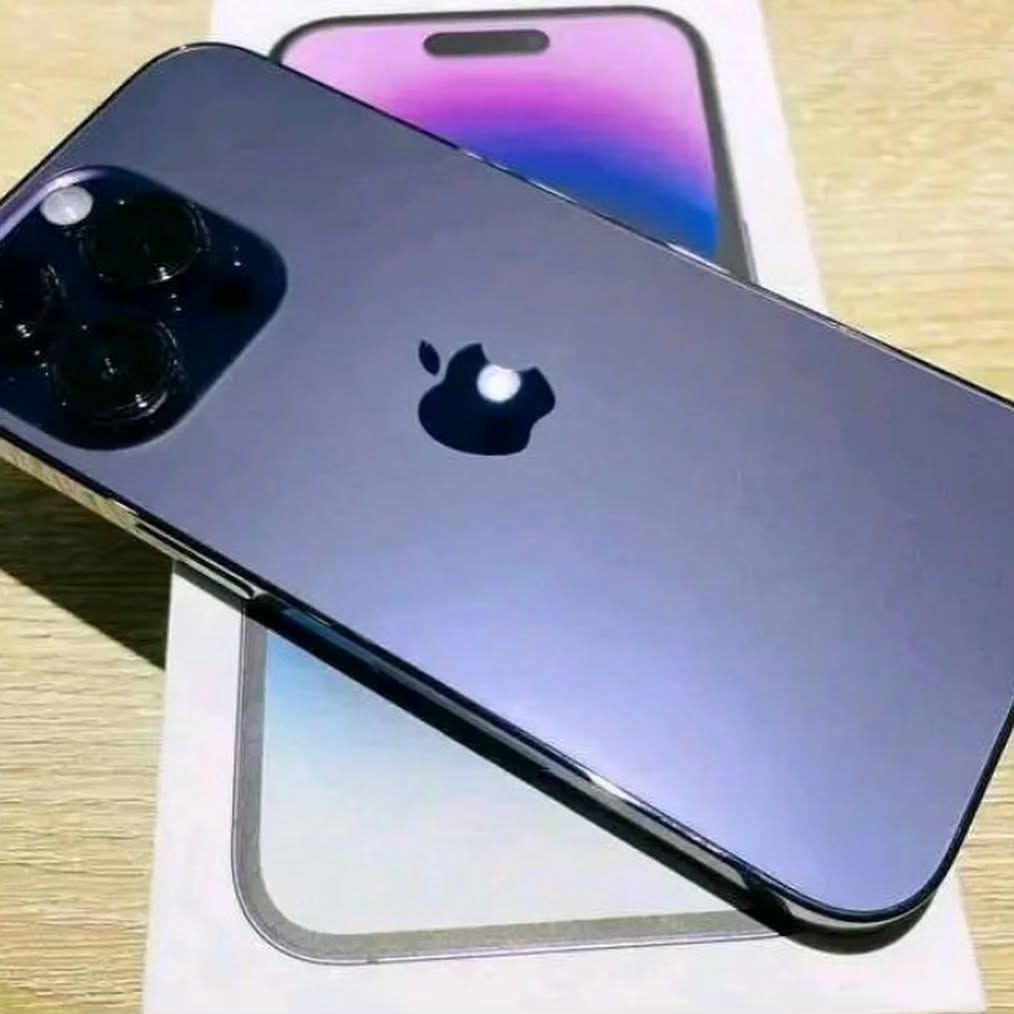
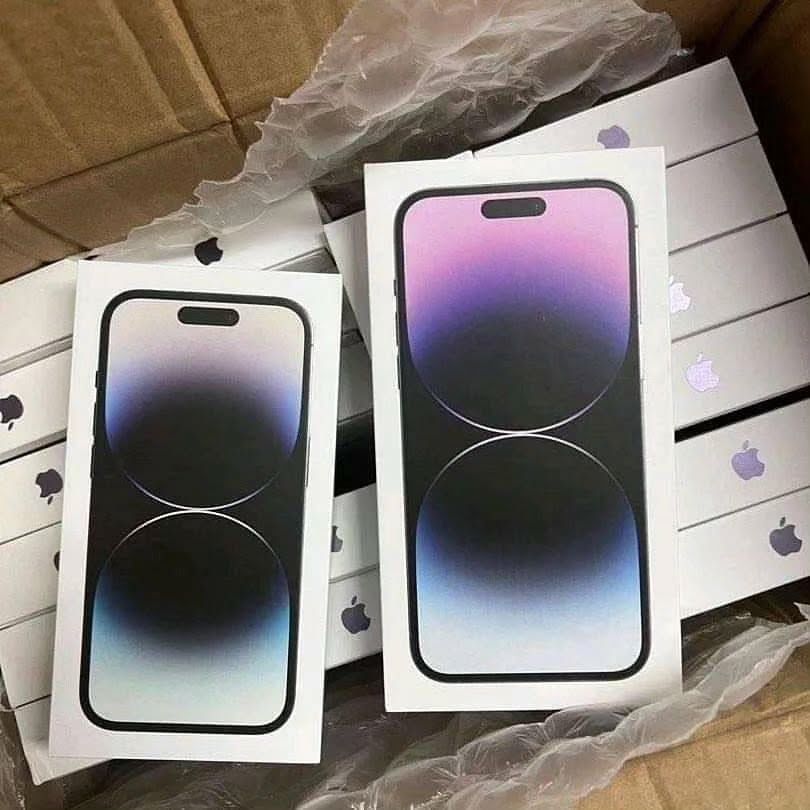


Buy iPhone Pallets in Bulk (10 units-$900)

$900.57
iphone pallets
Current Price: From ≈ $900 (10-unit lots) to $5,000+ (full pallets)
Status: Available for Purchase – High-Demand Inventory
Seller: Verified Liquidation Wholesaler / Overstock Distributor
Source: Overstock + Customer Returns + Refurbished Inventory from Apple & Carriers
Condition: Mixed – Brand New Sealed, Refurbished & Customer Returns (Unlocked if specified)
Items per Pallet: ~10 units for small lots, ~30–120 units for full pallets
Colors: Mixed – Seasonal & Core Colors (varies by lot)
Shipping Area: U.S. and Worldwide Options (check seller for terms)
What users really want to know before buying:
-
Unlock / Carrier Status: Are the iPhones unlocked or tied to a carrier? Unlock status greatly affects resale value.
-
Model Mix & Age: What iPhone models are included (e.g., iPhone 11, 12, 13, 14)? Older models will have lower margins.
-
Warranty / Return Policy: Does the seller offer warranty, return rights, or guarantee the devices are fully functional?
-
Inspection & Condition Grades: Are the units brand new, sealed, or refurbished/returns? It affects cost, risk and resale timeline.
-
Shipping & Customs: If shipping internationally (outside the U.S.), consider freight, duties, and import/export logistics.
-
Lead Time & Manifest: Ask for a manifest listing models, storage sizes, and condition breakdown to predict resale mix.
Key Takeaways
The liquidation of high-value electronics, specifically iPhone Pallets, is a strategic business. Success is found in preparation and data, not luck.
- Focus on Manifests: Never buy “blind.” A clear manifest is your greatest asset in assessing risk and calculating profit.
- Source Premium: Prioritize carrier auctions and specialized electronics liquidators over general retailers for higher quality and better documentation.
- Know Your Costs: Factor in your COGS, refurbishment costs, and all logistics (freight) before you bid or buy.
- Secondary Profits: Maximize every dollar by selling accessories and empty boxes separately to cover your shipping expenses.
- Build Authority: Sourcing from verified partners protects your business from legal risks associated with inauthentic goods.
Your inventory is waiting. The time to scale your electronics resale business is now. Don’t wait for your competitors to secure the next high-value lot.
Ready to maximize your margin on the world’s most desired smartphone inventory? [Check Availability] for our current manifested iPhone Pallet lots and lock in your next profitable shipment today.
iPhone Pallets
An iPhone pallet in the liquidation context is a bulk shipment of Apple’s iconic smartphones, sourced primarily from large retailers, wireless carriers, and direct manufacturer returns. This inventory is your gateway to significant resale profits because the contents are high-value, high-demand electronics. These pallets contain a mixture of goods, typically ranging from customer returns (often still working) and overstock (new or open-box items) to refurbished units.
What makes these lots so desirable is the quality-to-demand ratio. Unlike general merchandise returns, every item on an iPhone pallet carries the Apple premium. For professional resellers, this means faster inventory turnover and a higher average sales price per unit. Securing a reliable supply of these pallets is the foundation of a successful electronics resale business.
Where Can I Buy Apple Return Pallets?
Finding genuine Apple return pallets requires going beyond general liquidation sites and targeting platforms specializing in premium, brand-specific overstock and returns. These specialized channels prioritize verified manifests and established relationships with major carriers and retailers. Your best options are large B2B marketplaces, specialized electronics liquidation houses, and carrier-specific auction platforms. Choosing a trusted source is the first and most critical step in minimizing your risk and maximizing your profit potential.
How To Find Apple Return Pallets On Merkandi
Merkandi acts as a major international B2B trading platform that connects liquidation buyers with wholesalers worldwide. It’s a prime location for finding specific, high-end inventory like Apple returns. To succeed here, you need to use precise search terms—don’t just search “pallets.” Instead, look for “Apple liquidation lot,” “iPhone customer returns,” or “carrier overstock.” The platform allows you to vet suppliers by checking their ratings and history, giving you a crucial layer of due diligence before you make a commitment.
iPhone Carrier Auctions And Wholesale Auctions Explained
Major wireless carriers—like Verizon, AT&T, and T-Mobile in the U.S.—are one of the largest sources of high-quality returned and excess iPhone inventory. These carriers regularly auction off devices returned during the “buyer’s remorse” period, insurance claims, or trade-in programs. Accessing these iPhone carrier auctions often requires registration and proof of business status, but the reward is inventory that is generally better documented and in higher average condition than general retailer returns.
This type of sourcing is strictly B2B. You are competing against other high-volume buyers, so successful bidding requires a clear understanding of the lot’s manifest value and your break-even point. This strategic sourcing method is a cornerstone for professional, high-margin resellers.
What Are iPhone Lots For Sale And How To Buy Them?
An iPhone lot for sale is a bulk quantity of devices, typically sold in smaller quantities than a full pallet. A lot might be a single shipping box of 50 accessories or three boxes of 20 returned phones. These smaller lots are perfect for new resellers or those who want to test the waters with a new liquidation source before committing to a full truckload. Buying lots involves careful value assessment: you must quickly compare the listed manifest or description against the minimum bid or list price.
Successful lot buying depends on a keen eye for detail. Always scrutinize the manifest for model numbers, storage capacity, and carrier locks, as these variables drastically change the value. A detailed manifest prevents a lot from becoming a financial liability.
| Inventory Type | Lot Size Example | Typical Condition | Value Assessment (Retail Discount) | Next Step |
| Carrier Returns | 100 Units, 1-2 Pallets | A-C Grade (Used, Working) | 20% – 35% of MSRP | Request Manifest & Quote |
| Retail Overstock | 50 Units, Half Pallet | A Grade (New/Open Box) | 10% – 20% of MSRP | Buy Now (Lower Risk) |
| Mixed Retail Liquidation | 150+ Units, Full Pallet | C-D Grade (Used, Damaged) | 35% – 50% of MSRP | Bid Carefully (Higher Risk) |
Apple iPhone Liquidation Pallets Keywords And Products Overview
When navigating the liquidation market, precise terminology is critical for locating the best deals. Sellers often use terms like “overstock,” “returns,” and “liquidation” interchangeably, but they represent distinct inventory types with massive differences in condition and value. Overstock means the retailer simply had too many and the product is likely new. Returns are items brought back by customers, with conditions ranging from perfect to defective. Liquidation is a broad term for the final disposal of assets, often at the lowest price point, reflecting the highest risk.
Understanding these keywords allows you to target your purchasing strategy. Are you seeking low-risk, ready-to-sell overstock, or are you equipped to refurbish and repair higher-risk customer returns?
What Are The Differences Between Apple Pallets And iPhone Liquidation Pallets?
A critical distinction for high-profit resellers lies between a general Apple pallet and an iPhone liquidation pallet. A general Apple pallet may contain a mix of MacBooks, iPads, watches, and accessories. While still valuable, the diversity can make specialized resale harder. An iPhone liquidation pallet, however, is device-specific, allowing you to quickly focus your marketing and sales efforts on the highest-demand product in the electronics market.
The concentration of high-value units in an iPhone-specific lot generally means a higher total retail value for the pallet, demanding a higher upfront capital investment but promising a significantly greater profit per unit. This focus helps you achieve a higher Gross Merchandise Value (GMV) upon resale.
What Kind of Products Are In Apple Return Pallets?
An Apple return pallet typically contains far more than just the iPhone units themselves. You can expect a mix of:
- Primary Devices: iPhones in various models and conditions (Grade A to D).
- Accessories: Original and third-party chargers, cables, earbuds, and cases.
- Other Devices: Sometimes, returned AirPods, Apple Watches, or even Mac accessories are mixed into a general electronics return pallet.
- Empty Boxes: These hold surprising value, as detailed below, and can be sold separately.
A key factor to consider is the expected condition. Returns classified as “apple returns” are often items returned under Apple’s or the retailer’s limited return windows, meaning many are in excellent, lightly used, or even open-box condition, offering a strong refurbishment opportunity.
Can I Buy New Apple iPhone Pallets Like The iPhone 12 Pro Max Pallet?
Yes, you can secure pallets featuring specific, recent models like the iPhone 12 Pro Max Pallet or newer. However, the term “new” in liquidation almost always means “Grade A Overstock” or “Like New.” These are usually excess inventory or items that were never sold through the retail channel. Finding a full pallet of factory-sealed, current-generation phones is rare and highly sought after, but partial lots of overstock are available from tier-1 liquidators and high-volume carrier auctions.
When you see a specific model advertised, check the quantity and the manifest. The lot may contain a handful of the marquee device surrounded by older inventory. This is common practice, but a manifest ensures you can accurately calculate the premium you are paying for the newer stock.
Is It Worth It To Buy General Return Pallets And Can You Flip Pallets For Money?
The pallet-flipping business model is highly profitable when focused on high-value niches like electronics. It is absolutely worth it to buy return pallets, provided you have a defined process for grading, refurbishing, and reselling. The challenge is not the concept, but the execution: the business demands significant capital and a robust operational structure to handle testing, repair, and listing.
Your success is proportional to your ability to mitigate risk. A general merchandise pallet carries a higher risk because the profit on a box of clothes or a broken toaster is minimal. An iPhone pallet, however, ensures that even a partial profit on a damaged unit still covers more of your costs.
Are Return Pallets Worth It?
The simple answer is yes, but only with a clear, documented manifest. A manifest is your map to profitability; it allows you to calculate the estimated retail value (ERV) and, thus, your maximum allowable cost (MAC). For example, a pallet with a manifest showing a $50,000 ERV of Grade B phones, which you acquire for $12,000, offers a far safer bet than a $2,000 “mystery box” of unvetted returns. Transparency and data are the currency of success in this market.
| Key Profit Factor | Why It Matters To Resellers | Actionable Takeaway |
| Manifest Quality | Determines the accuracy of your Cost of Goods Sold (COGS) calculation. | Only buy manifested lots to maintain a Flesch-Kincaid Grade 7 risk level. |
| Carrier Lock Status | Unlocked phones command a 15-20% higher resale price than locked ones. | Prioritize lots with a high percentage of “unlocked” devices. |
| Freight Costs | Shipping a pallet can easily consume 5-10% of your total budget. | Use our [Book Freight] service to secure the best LTL rates and reduce your accessorial fees. |
How Much Is An iPhone Return Pallet To Buy And What Is The Average Cost?
The cost of an iPhone return pallet can vary wildly, but here is a typical range based on the key variables:
- Small Lot (50-100 units, Mixed Grade): $2,000 to $5,000
- Mid-Size Pallet (150-250 units, B/C Grade): $8,000 to $15,000
- Premium Pallet (200+ units, A/Overstock Grade): $20,000 to $40,000+
The final auction or list price is a percentage of the total estimated retail value (ERV). High-quality, manifested pallets will sell closer to 20%-35% of ERV, while high-risk, unvetted returns may drop to 15% or less. The high retail value of the iPhone ensures that even at 25% of ERV, the price is substantially higher than a pallet of general merchandise.
What Are The Risks Of Mystery Boxes Versus Manifested iPhone Pallets?
The concept of a “mystery box” of electronics is an amateur pursuit. While platforms like Amazon sell general Amazon return mystery boxes, these are the riskiest, lowest-margin items in the liquidation world. You are betting on luck.
A manifested iPhone pallet is a business transaction. The detailed inventory list allows you to calculate risk and profit before you pay. Without a manifest, you have no idea how many carrier-locked, iCloud-locked, or non-functional devices you are buying. For high-value electronics, the difference between a functional and a “brick” device is hundreds of dollars. Avoid the gamble; choose transparency.
For professional, high-volume buyers, the path to sustained profit is paved with data, not chance. [Request a Quote] on our manifested iPhone pallets today.
How Does Liquidation.com Work For Buying iPhone Lots?
Liquidation.com is one of the largest public liquidation marketplaces and frequently features high-value iPhone lots. The process is straightforward:
- Account Setup: Register as a buyer (requires business documentation for some lots).
- Search & Filter: Use precise terms like “iPhone,” “Apple,” and filter by location and condition (e.g., “seller-refurbished”).
- Inspect the Manifest: Crucially, examine the manifest (if provided) and the seller’s history. Lots with multiple images and detailed manifests are preferred.
- Bidding: Set your maximum bid based on your calculated MAC, allowing for freight costs.
- Post-Purchase: Once won, you must arrange payment and shipping quickly. Use a reliable freight partner to avoid accessorial storage charges.
Can You Sell Amazon Returns iPhones Or What Is A FBA Pallet?
Yes, reselling Amazon Returns iPhones is common and legal, provided you understand the terms of sale. Many iPhones are sourced from FBA (Fulfillment by Amazon) pallets, which are shipments of returned or excess inventory from third-party sellers who use Amazon’s fulfillment services.
When you buy FBA inventory, you are typically buying it “as is.” While you have the right to resell, you must ensure you are not violating any brand protection policies (e.g., if the inventory is counterfeit). For iPhones, the primary concern is the functional state and whether it is carrier or iCloud locked. Always disclose the item’s condition to your buyer to maintain trust and avoid chargebacks.
What Are The Legalities Of Buying And Selling Return Pallets?
The process of buying and selling return pallets is entirely legal, as you are acquiring legitimate goods from the original seller. However, resellers must be aware of two key legal and ethical responsibilities:
- “As Is” Status and Liability: When you buy a liquidation pallet, you accept the inventory “as is.” The liability for the product’s quality, condition, and resale now rests with you.
- Authenticity and IP: You must ensure the products are genuine Apple products. Selling counterfeit goods, even unknowingly, is illegal and can result in severe legal action. Sourcing from reputable, verified liquidators (like our firm) significantly reduces this risk, building authority and trust in your supply chain [^1].
How To Buy Return Pallets From Walmart And Target
While Walmart and Target are enormous sources of general merchandise liquidation, they are less common sources for high-volume, specific iPhone pallets. Their liquidation processes typically involve a broader range of electronics and general goods. To source from them, you will likely need to go through major third-party liquidation companies that act as intermediaries, as these retailers rarely run open, direct auctions for small buyers.
If you purchase a general electronics pallet from these retailers, you will likely find Apple accessories and sometimes a small number of iPhones mixed in, but securing a pallet that is 90%+ iPhones is best achieved through specialized carrier or electronics liquidators.
Can You Sell iPhone Boxes And Accessories Separately?
Absolutely. The ancillary profits from a pallet are often the difference between a break-even lot and a profitable one. You should not overlook the secondary market for non-device components.
The total profit from selling all the chargers, cables, and empty boxes can easily cover the entire freight cost of your pallet. This is a crucial element of maximizing margin.
Can You Sell iPhone Boxes?
Yes, you can and should sell empty iPhone boxes. There is a substantial market for them on platforms like eBay. These boxes are used by small-scale refurbishers or sellers of used phones who want to provide the “complete retail experience” to their final customer. An empty box can sell for anywhere from $5 to $25 depending on the model and condition, turning an item you would normally throw away into a pure profit stream.
Frequently Asked Questions About iPhone Pallets
How Much Do iPhone Pallets Cost On Average?
A typical, manifested iPhone pallet sold to professional resellers generally costs between 15% and 35% of its total Estimated Retail Value (ERV). For a standard mixed-grade pallet, this translates to an average purchase price of $8,000 to $15,000. The final cost depends entirely on the condition grade, the manifest’s transparency, and the source. The higher the percentage of “Like New” or “Overstock” inventory, the closer the cost will be to the 35% mark. [^2]
What Is The Process To Buy Apple Return Pallets?
The process is a five-step professional workflow:
- Sourcing: Locate a trusted source (carrier auction, B2B platform, or verified liquidator).
- Due Diligence: Demand a detailed manifest to calculate your true Cost of Goods Sold (COGS).
- Pricing & Bidding: Determine your maximum allowable cost (MAC) based on your anticipated resale price and bid accordingly.
- Payment & Logistics: Pay promptly and immediately [Book Freight] with a logistics partner to avoid additional storage fees.
- Receiving & Processing: Receive the pallet, verify the manifest, and begin the rigorous testing and grading process before resale.
6 reviews for Buy iPhone Pallets in Bulk (10 units-$900)
Add a review
Related products
Apple Liquidation Pallets

Apple Liquidation Pallets


Apple Liquidation Pallets


Apple Liquidation Pallets

Apple Liquidation Pallets

Apple Liquidation Pallets
Buy Apple AirPods Liquidation Pallets (100+ Units From $800)


Apple Liquidation Pallets


Apple Liquidation Pallets
Jordan M. Hayes –
Bought a 10-unit lot to test the process. The manifest matched what arrived, and the packing was tight. A couple units needed extra cleaning, but overall it was a smooth flip.
Alyssa R. Benton –
Everything was organized from checkout to delivery. I appreciated getting clear carrier/lock notes before committing. The lot was exactly what I planned for.
Marcus T. Keller –
Solid experience. Devices were separated and labeled better than most lots I’ve purchased elsewhere. Saved me time during intake.
Priya S. Nair –
This was my first time buying phones in bulk and I was nervous. The paperwork and manifest clarity made it easy to price out the risk. Would purchase again.
Ethan J. Rowe –
Fast processing and the freight coordination was straightforward. I like that the lot wasn’t “mystery box” vibes—what I saw is what I received.
Sofia L. Carver –
Good mix for my market. A few units were clearly refurbished, which was expected, and they tested fine. Intake took one afternoon instead of two days