


Buy Laptop Liquidation Pallets For Sale (100+ Units From $2,500)

$2,500.00
Current Price: From $2,500 per pallet
Status: In Stock – Limited Truckloads Available
Seller: Verified Electronics Liquidation Distributor
Source: Major Retailer Overstock, Returns & Corporate Lease Pulls
Condition: Mixed – Tested Working, Grade A Refurbished, Customer Returns
Brands Included: Dell, HP, Lenovo, Apple, Acer, ASUS
Items per Pallet: 100+ Laptops (Mixed Models & Specs)
Processor Types: Intel Core i3, i5, i7 and AMD Ryzen 3, 5, 7
Storage Capacity: 128GB SSD to 1TB SSD/HDD Mix
RAM: 4GB to 16GB Assorted
Cosmetic Grade: A Grade, B Grade and Minor Cosmetic Wear
Distribution Agreement Required: No
Shipping Area: Fast Freight Delivery Worldwide
Detailed Breakdown by Brand
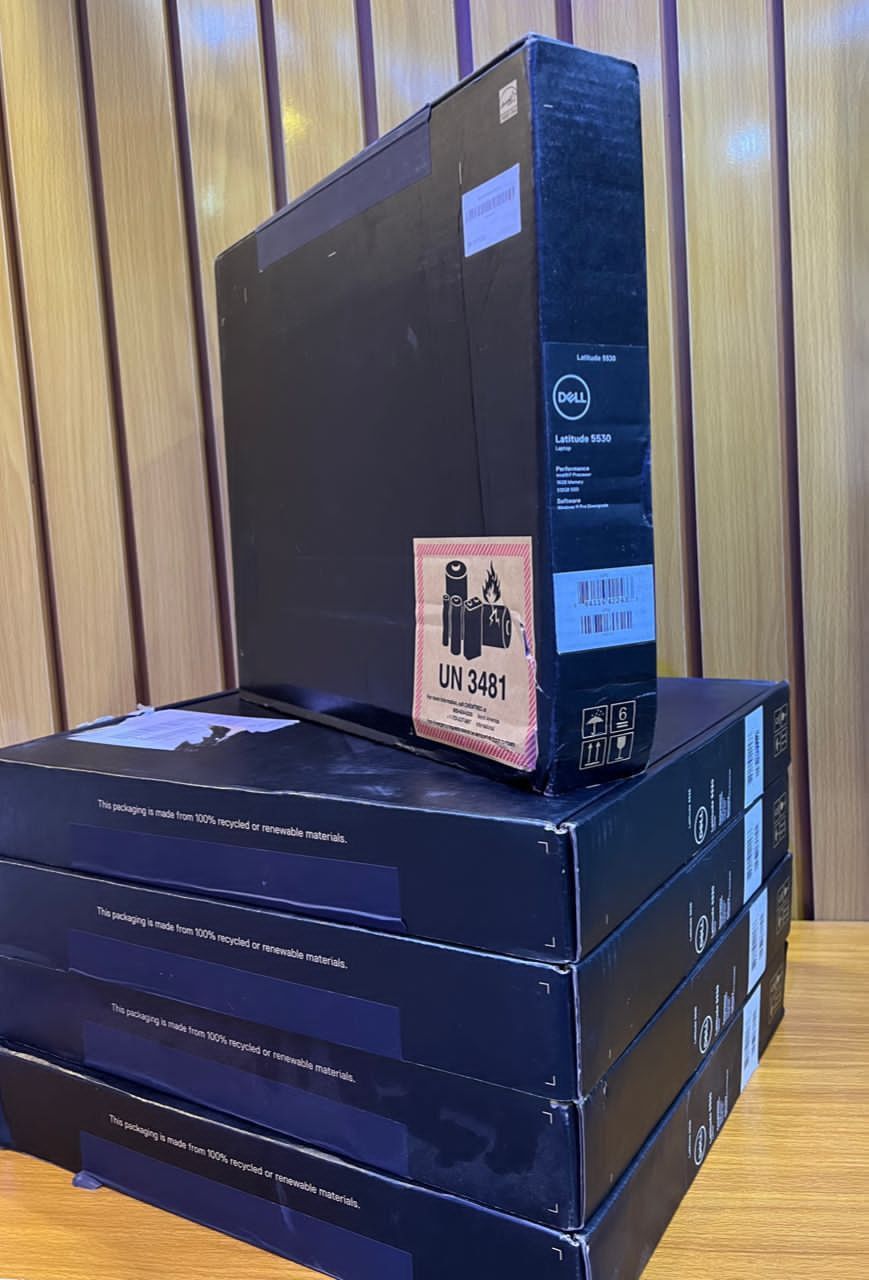
Dell (30 Units)
Models: Latitude, Inspiron, XPS
Specs: Mix of 8GB RAM, 256GB SSD and higher
Note: Strong resale demand in business and student markets
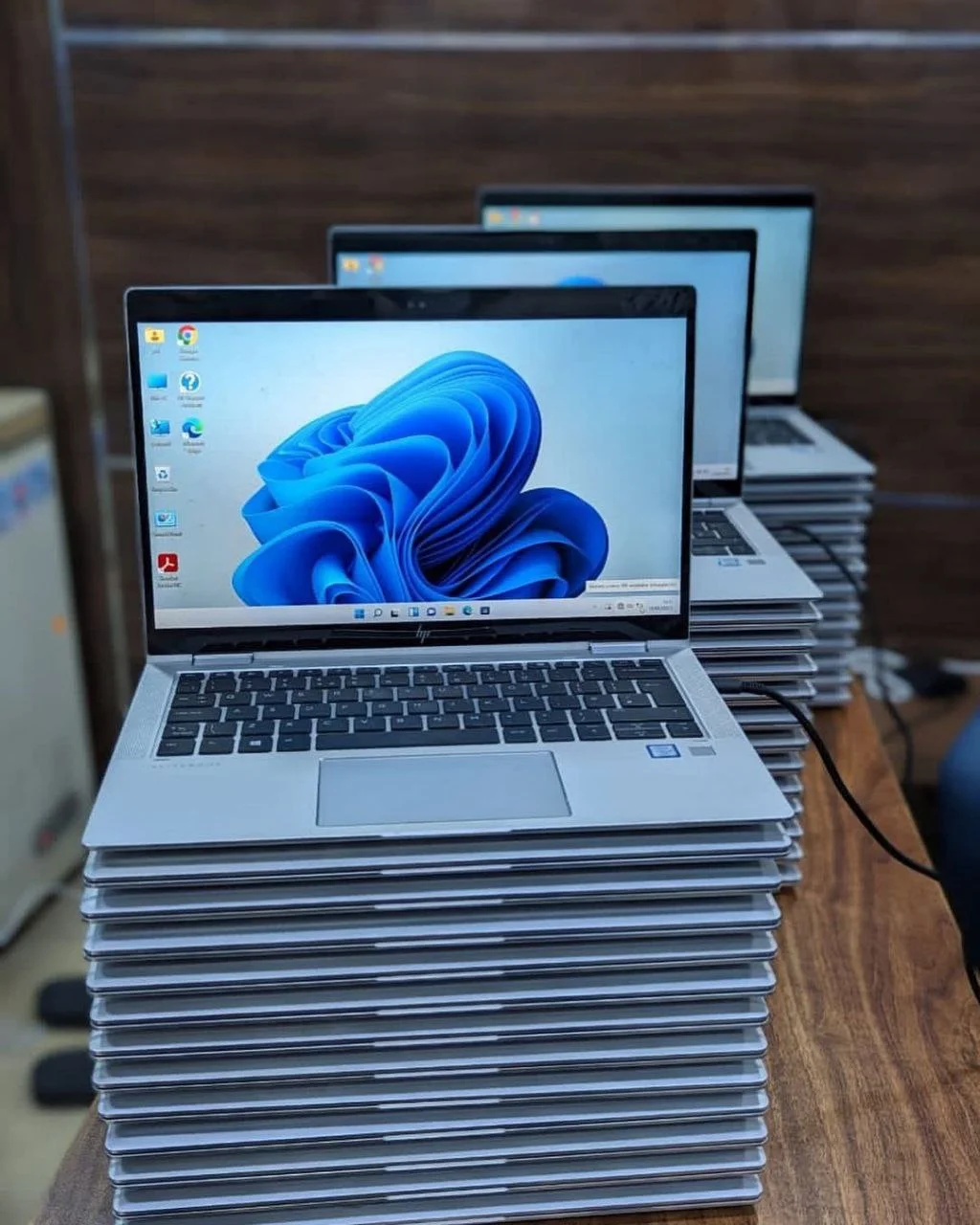
HP (25 Units)
Models: EliteBook, ProBook, Pavilion
Specs: 8GB to 16GB RAM options
Note: Popular for office resale and bulk school contracts
Lenovo (20 Units)
Models: ThinkPad, IdeaPad
Specs: Business class durable builds
Note: High demand for refurbished corporate devices
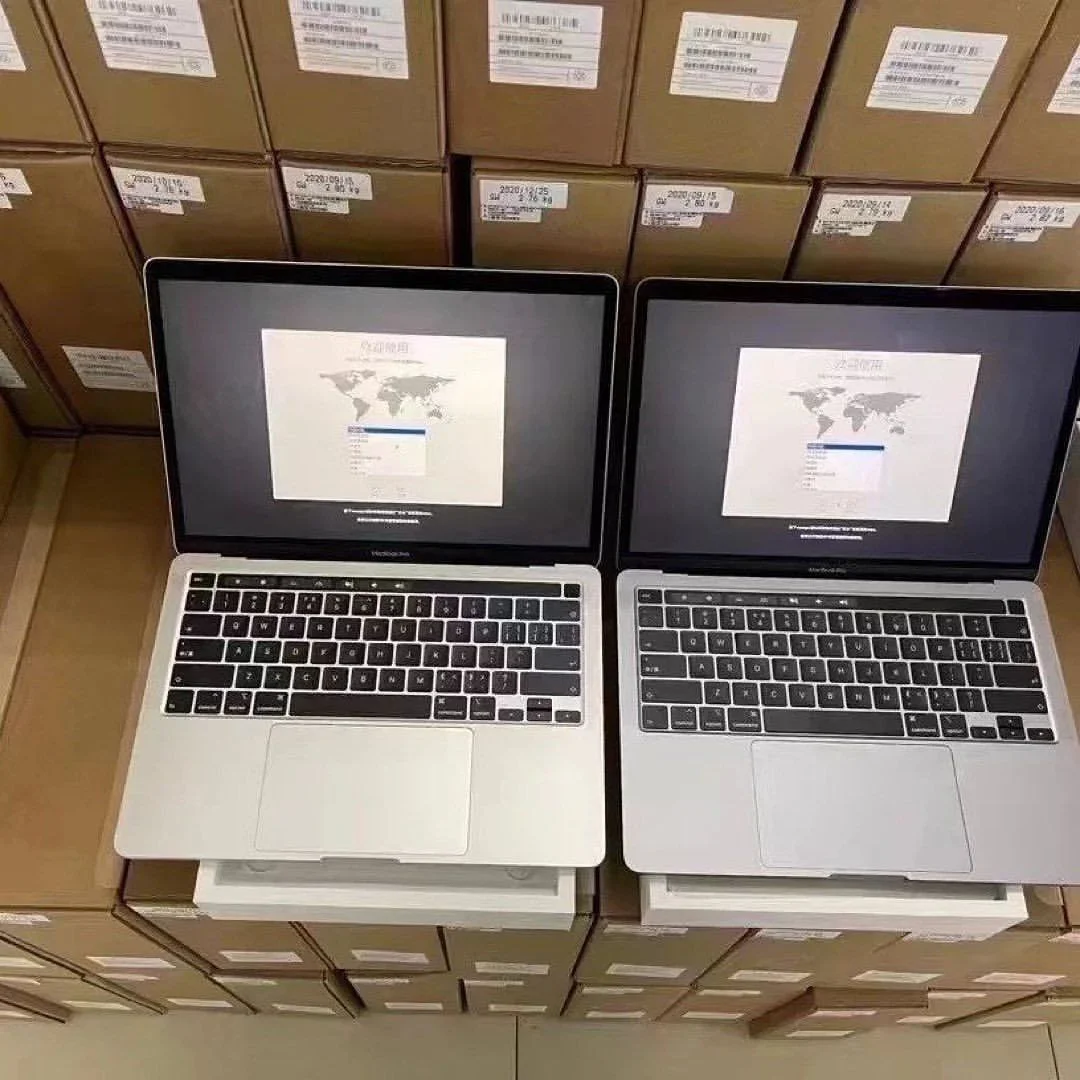
Apple (10 Units)
Models: MacBook Air and MacBook Pro
Sizes: 13 inch and 15 inch mix
Note: Premium resale margins in secondary markets
Acer & ASUS (15 Units)
Models: Aspire, VivoBook, TUF Gaming
Specs: Entry level to mid range
Note: Budget friendly units with fast turnover
Example Pallet Manifest – Total 100 Units
Business Class Laptops: 45 units
Student/Home Use Laptops: 35 units
Gaming Laptops: 10 units
Apple MacBooks: 10 units
Accessories Included:
Chargers for majority of units
Some pallets may include docking stations or laptop bags
Ideal for electronics resellers, IT refurbishers, export buyers, and online marketplace sellers looking for consistent inventory with strong ROI potential.
Laptop Liquidation Pallets: Smart Resale Strategy
The market for secondary electronics is expanding rapidly as businesses and consumers look for affordable technology solutions. Many savvy entrepreneurs are turning to laptop liquidation pallets to secure high-quality inventory at a fraction of its original retail cost. These bulk lots offer a unique entry point for resellers who want to scale their operations quickly. By purchasing in volume, you gain access to a diverse range of brands and specifications that would be impossible to source individually. This guide explores how to navigate this lucrative market, avoid common pitfalls, and maximize your return on investment.
Key Takeaways
-
Always prioritize manifested pallets over blind lots to ensure inventory transparency.
-
Understand the specific grading standards (A, B, and C) used by different liquidators.
-
Calculate total landed costs, including freight and liftgate fees, before bidding.
-
Verify the generation of processors to ensure compatibility with modern software like Windows 11.
-
Implement a rigorous data sanitization process to protect previous owners and remain compliant.
-
Focus on “Ready to Retail” units if you lack technical refurbishment skills.
-
Monitor seasonal corporate refresh cycles for the best selection of enterprise-grade laptops.
Laptop Liquidation Pallets
Laptop liquidation pallets are bulk collections of portable computers that are sold together to clear warehouse space. These units are typically aggregated from major retailers, corporate lease returns, or manufacturer overstocks. Unlike regular retail inventory, these items are sold as-is or with limited warranties in a secondary market environment.
Liquidation occurs for several reasons, including customer returns, discontinued models, and overstock situations. When a large retailer has too many units of a previous generation model, they often bundle them into pallets for quick removal. Corporate entities also contribute significantly to this market when they upgrade their entire workforce to newer hardware.
Buyers can find substantial profit opportunities because the price per unit is significantly lower than wholesale. When you purchase laptop liquidation pallets, you are essentially buying time and convenience for the original seller. They want the space back, and you want the discounted inventory to flip for a profit.
The secondary market is where these pallets are eventually sold to small businesses and individual resellers. You should expect a mix of conditions unless the manifest specifically states otherwise. It is common for these lots to include a variety of accessories, though power adapters are sometimes sold separately.
What Types Of Laptop Pallets Are Available
There are several types of laptop liquidation pallets available, categorized primarily by the condition and the source of the hardware. The most common distinction is made through grading, which dictates the physical and functional state of the machines. Grade A units are like new, often appearing as if they were never used or were handled with extreme care.
Grade B units usually show light signs of wear, such as minor scratches or scuffs on the casing. These are highly popular for resellers because they offer a balance between a low purchase price and high resale value. Grade C units are often sold for parts or refurbishment, as they may have cracked screens or missing components.
| Grade | Physical Condition | Functional Status | Target Buyer |
| Grade A | Like New / Mint | Fully Functional | Premium Resellers |
| Grade B | Minor Scratches | Fully Functional | General Consumers |
| Grade C | Heavy Wear / Dents | Limited Function | Refurbishers |
| Mixed | Varies by Unit | Untested | Risk-Tolerant Buyers |
| Scrap | Damaged / Broken | Non-Functional | Parts Specialists |
The brands found in these pallets range from premium Apple MacBooks to rugged Dell Latitudes and Lenovo ThinkPads. Pricing is heavily influenced by the specifications, such as the processor type and the amount of RAM included. Higher grades naturally command higher prices, but they also require less work before they are ready for the end consumer.
How To Source Quality Laptop Pallets
Quality laptop liquidation pallets are sourced through reputable liquidation marketplaces and direct manufacturer outlets. Websites like B-Stock, Liquidation.com, and Direct Liquidation are popular starting points for many professional resellers. It is essential to research the reputation of a supplier before committing to a large wire transfer.
Checking the manifest is the most important step in the sourcing process. A manifest is an itemized list that shows the model numbers, specifications, and conditions of every item in the pallet. If a supplier refuses to provide a detailed manifest, it is often a sign of a high-risk “blind” pallet.
Authenticity should be verified by checking serial numbers against manufacturer databases whenever possible. Counterfeit laptops are rare in major liquidation circles, but misrepresented specs are a more common issue. You should look for suppliers who have a clear dispute process for items that do not match the manifest.
The best deals often disappear within minutes of being posted. You are encouraged to act quickly and contact verified suppliers to secure high-demand inventory before your competitors do. Building a long-term relationship with a dedicated account manager can also give you early access to the best lots
What Are The Benefits Of Buying Laptop Pallets
The primary benefit of purchasing laptop liquidation pallets is the massive cost savings compared to traditional retail or wholesale. These savings allow you to undercut your competition while still maintaining healthy profit margins. For a small business, this is the most efficient way to scale inventory without a massive capital layout.
Resale opportunities are abundant because laptops are essential tools for education, work, and entertainment. By sourcing in bulk, you can offer bundles to local schools or non-profit organizations. This strategy helps you move inventory faster than selling individual units on auction sites.
| Benefit Category | Description | Impact on Business |
| Scalability | Buy 50 units at once | Faster Growth |
| Profit Margins | Lower cost per unit | Higher ROI |
| Variety | Multiple brands in one lot | Broader Customer Base |
| Sustainability | Extends product life | Eco-Friendly Brand |
| Networking | Connect with liquidators | Future Deal Access |
Small businesses can use these pallets to outfit their own staff at a fraction of the cost of new hardware. If you are a reseller, the ability to test and clean the units yourself adds value that the liquidator didn’t want to provide. This “sweat equity” is where the most significant profits are often found.
How Do Market Trends Affect Laptop Liquidation Pallets
Market trends have a direct impact on the availability and pricing of laptop liquidation pallets. For instance, the massive shift toward remote work caused a surge in demand for portable computers. When companies eventually downsize or upgrade their remote fleets, the liquidation market is flooded with high-quality, late-model units.
The rise of AI-capable laptops is another trend that is starting to influence the secondary market. As newer models with dedicated NPU chips are released, older but still powerful units enter the liquidation cycle. This creates a “sweet spot” for buyers who want high-performance machines that aren’t yet obsolete.
Seasonal trends, such as “Back to School” or the end of the fiscal year, also impact supply. Many corporations refresh their hardware in December, leading to a surplus of pallets in the first quarter of the year. Understanding these cycles allows you to time your purchases for the lowest possible prices.
What Are The Legal Considerations When Reselling Laptop Pallets
Yes, there are several legal requirements that must be followed when reselling laptop liquidation pallets. You are required to have a valid resale permit in most states to avoid paying sales tax on your initial purchase. This permit also proves that you are a legitimate business entity for tax purposes.
Intellectual property is a concern when dealing with pre-installed software and operating systems. You must ensure that every laptop has a legitimate license for the OS, such as the Windows COA (Certificate of Authenticity). Selling laptops with pirated software can lead to significant legal trouble and platform bans.
Warranty limitations must be clearly communicated to your customers. Most laptops from liquidation pallets are sold “as-is” by the original manufacturer, meaning the factory warranty has expired. You should be transparent about this and consider offering your own short-term return policy to build trust.
According to the U.S. Federal Trade Commission, sellers must accurately represent the condition of used or refurbished goods. Misrepresenting a Grade C laptop as Grade A is considered a deceptive trade practice. Proper documentation of your purchases and sales is necessary for business compliance and audits.
How To Evaluate Conditions Of Laptops In Pallets
Evaluating the condition of laptops requires a systematic approach to inspection and testing. Grading standards are used to categorize units based on physical wear and functional integrity. You should look for signs of “screen bruising,” which are white spots caused by pressure on the LCD panel.
Common defects in returned laptops include dead battery cells, worn-out keyboards, and faulty charging ports. It is a good practice to use diagnostic software to check the health of the hard drive and the battery cycle count. If a laptop has a “BIOS lock,” it may be difficult or impossible to repurpose without specialized knowledge.
| Component | What to Inspect | Red Flags |
| Screen | Dead pixels, scratches | Cracks, bruising |
| Battery | Cycle count, health % | Swelling, no charge |
| Keyboard | Every key response | Sticky keys, missing caps |
| Ports | USB, HDMI, Charging | Loose or bent pins |
| Casing | Hinges, bottom plate | Deep cracks, missing feet |
How Does Location Impact Laptop Pallet Purchasing
Location significantly impacts the final price of laptop liquidation pallets due to shipping and logistics costs. Freight charges can sometimes equal a large percentage of the pallet’s value, especially if it is traveling across the country. Local pickup is always the most cost-effective option if you are near a major distribution hub.
Regional suppliers often have different types of inventory based on the industries located nearby. For example, a supplier near a tech hub like Silicon Valley might have higher-end workstation laptops. Proximity to these hubs reduces transit time and the risk of damage during shipping.
Shipping to a residential address usually incurs an extra fee from the freight carrier. If you do not have a loading dock or a forklift, you will also need to pay for a “liftgate” service. These small costs add up quickly and must be factored into your profit calculations before you place a bid.
How Can AI Influence Laptop Liquidation And Resale
AI is currently being used to revolutionize how returned laptops are graded and sorted. Some large-scale liquidators use computer vision to scan laptops for scratches and dents with more precision than a human. This leads to more accurate manifests and fewer surprises for the buyer.
AI-capable laptops are also becoming the most sought-after items in laptop liquidation pallets. These machines feature hardware designed to run local AI models efficiently. As a reseller, you can market these units specifically to developers and tech enthusiasts who need specialized hardware.
| AI Feature | Benefit for Reseller | Market Demand |
| NPU Chips | Optimized AI tasks | Very High |
| High RAM | Runs LLMs locally | Increasing |
| Modern GPU | Image generation | Steady |
| Fast SSD | Quick data loading | Standard |
Buyers can leverage AI insights by using price-tracking tools to determine the best time to sell specific models. You can also use AI-driven market analysis to identify which brands are trending on social media. This data-driven approach helps you choose the highest-value laptops from a manifest.
What Are The Risks Of Buying Laptop Liquidation Pallets
The risks associated with buying laptop liquidation pallets include encountering scams and receiving non-functional inventory. Common scams involve “cherry-picking,” where a supplier removes the best items from a pallet and replaces them with junk. You should always check for reviews and ratings from other buyers on independent platforms.
Blind pallets are significantly riskier than manifested pallets because you have no idea what is inside. While they are cheaper, you might end up with a pallet full of obsolete or physically destroyed units. You are advised to stick to manifested lots until you have a high tolerance for risk.
To minimize risk, you should always pay using a method that offers buyer protection, such as a credit card or a verified payment platform. Avoid suppliers who only accept wire transfers or cryptocurrency, especially if you are a first-time buyer. Maximizing profit requires a careful balance of risk and reward.
How To Package And Present Laptops For Resale
Safe packaging is essential to ensure that your laptops reach the customer in the same condition they left your shop. You should use anti-static bags and professional-grade bubble wrap to prevent damage during transit. For high-value units, a custom-fitted laptop box provides the best protection and presentation.
Presentation affects the perceived value of the product and can lead to higher selling prices. Cleaning the laptop thoroughly with isopropyl alcohol and removing old stickers makes a huge difference. A clean, well-photographed laptop will always sell faster than one that looks neglected.
Who Is The Typical Buyer Of Laptop Liquidation Pallets
The typical buyer of laptop liquidation pallets is a small business owner or an experienced online reseller. These individuals often have a background in basic tech repair and refurbishment. They are motivated by the high ROI that comes from turning “raw” liquidation stock into retail-ready products.
Refurbishers are another major group of buyers who specifically look for Grade B or C inventory. They have the tools and parts to fix common issues and can add significant value to the hardware. Their strategy involves high-volume processing and consistent quality standards.
What Pricing Strategies Work Best For Reselling Laptop Pallets
Competitive pricing is the most effective way to move inventory quickly in a crowded market. You should research the “sold” listings on sites like eBay to determine the actual market value of your laptops. Offering bundle deals, such as a laptop with a free mouse or bag, can help you stand out.
Maximizing ROI often requires choosing the right platform for each specific model. Premium laptops might sell better on specialized tech forums, while budget models are perfect for local marketplaces. You should always factor in platform fees and shipping costs when setting your final price.
How To Avoid Laptop Liquidation Scams
Avoiding scams requires a high level of due diligence and a healthy dose of skepticism. You should verify a supplier’s credibility by checking their physical address and phone number. A legitimate liquidator will have a professional website and a clear history of business operations.
Red flags in online auctions include stock photos being used instead of actual pallet pictures. If a deal seems too good to be true, such as a pallet of brand-new MacBooks for five hundred dollars, it is likely a scam. Always trust your instincts and do not be pressured into making a quick payment.
How To Compare Different Laptop Liquidation Suppliers
Comparing suppliers involves looking at more than just the base price of the pallets. You should evaluate their grading transparency and how accurately their manifests match the actual contents. Some suppliers are known for being conservative with their grades, which is a huge benefit for the buyer.
Shipping costs and logistics options should also be compared. Some liquidators have multiple warehouses, allowing you to choose the one closest to your location. Negotiating bulk deals is possible if you are ready to buy multiple pallets at once, which can lead to significant freight savings.
Frequently Asked Questions About Laptop Liquidation Pallets
What Are Laptop Liquidation Pallets And How Do They Work For Resellers?
They are bulk lots of laptops sold to clear space, and they work by providing resellers with low-cost inventory for high-margin sales. Resellers purchase these pallets, sort the units, and sell them individually after testing. This process allows the reseller to capture the value gap between bulk liquidation and retail demand.
How To Choose An AI-Capable Laptop From Liquidation Pallets?
You choose them by looking for specific processor generations like the Intel Core Ultra or AMD Ryzen 8000 series. These chips have built-in NPUs that are required for modern AI tasks. You should also look for units with at least 16GB of RAM to ensure the AI models run smoothly.
Research on e-waste management suggests that the secondary market plays a vital role in sustainability. According to a study by the United Nations Institute for Training and Research, extending the life of electronics is a key factor in reducing global waste. By reselling these laptops, you are contributing to a circular economy.
Be the first to review “Buy Laptop Liquidation Pallets For Sale (100+ Units From $2,500)”
Related products


Liquidation Pallets


Liquidation Pallets


Liquidation Pallets


Liquidation Pallets


Liquidation Pallets


Liquidation Pallets


Liquidation Pallets


Apple Liquidation Pallets
Reviews
There are no reviews yet.