
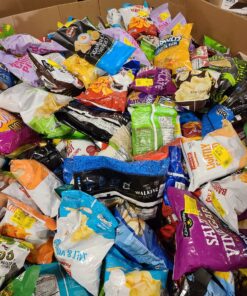
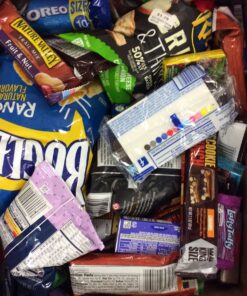
Buy Mystery Food Pallets For Sale (200+ Grocery Items From $399)
$399.00
Current Price: From $399 per pallet
Status: In Stock – Limited Loads Available
Seller: Verified Grocery & Retail Liquidation Supplier
Source: Major Supermarket Overstock, Big Box Store Returns, Shelf Pulls & Seasonal Closeouts
Condition: Mixed – New Overstock, Shelf Pulls, Short-Dated Items, 10% Customer Returns
Items per Pallet: 200 to 500+ Units (Assorted Grocery Categories)
Estimated Retail Value: Up to $2,000+
Packaging: Factory Cases, Loose Grocery Boxes, Shrink Wrapped & Freight Secured
Shipping Area: Fast Freight Delivery Across USA & Worldwide
What’s Inside a Mystery Food Pallet
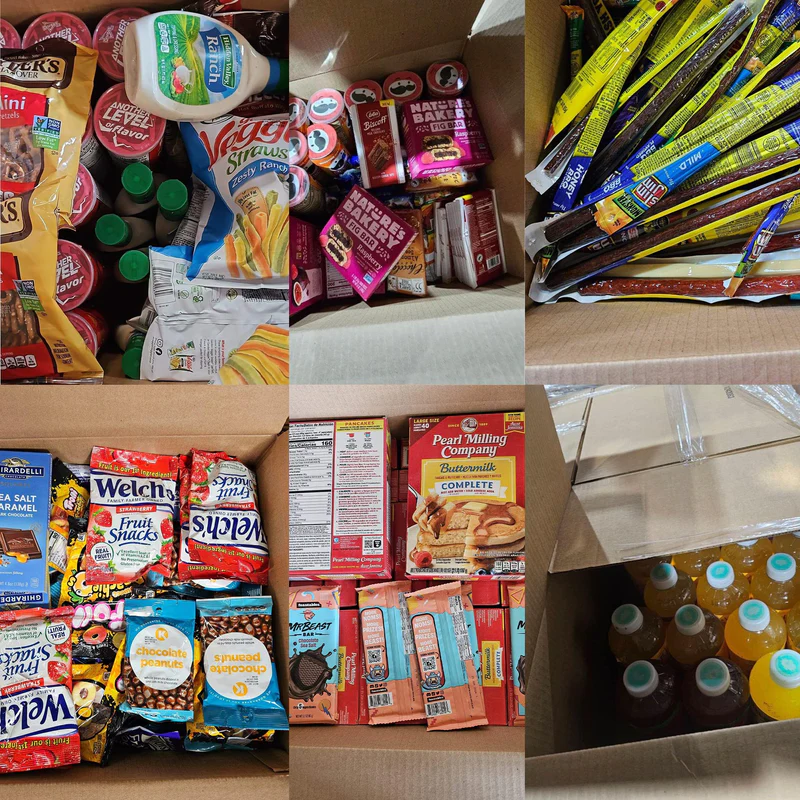
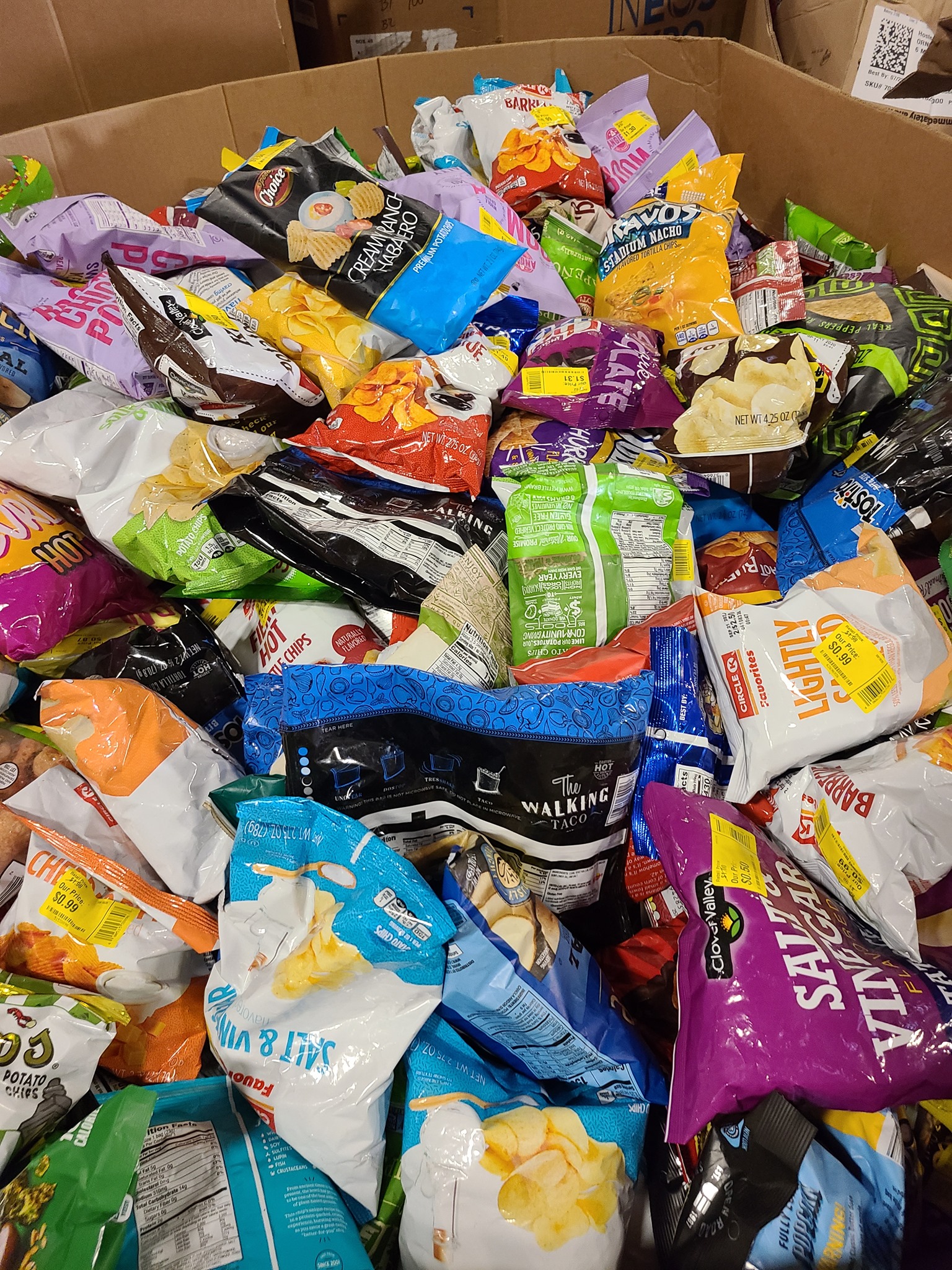
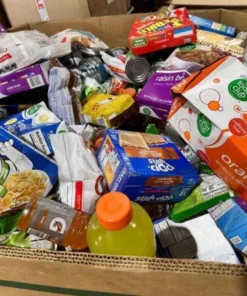
Each load is different, but most pallets include a balanced grocery mix suitable for resale in convenience stores, flea markets, discount shops, or export buyers.
Common Grocery Categories
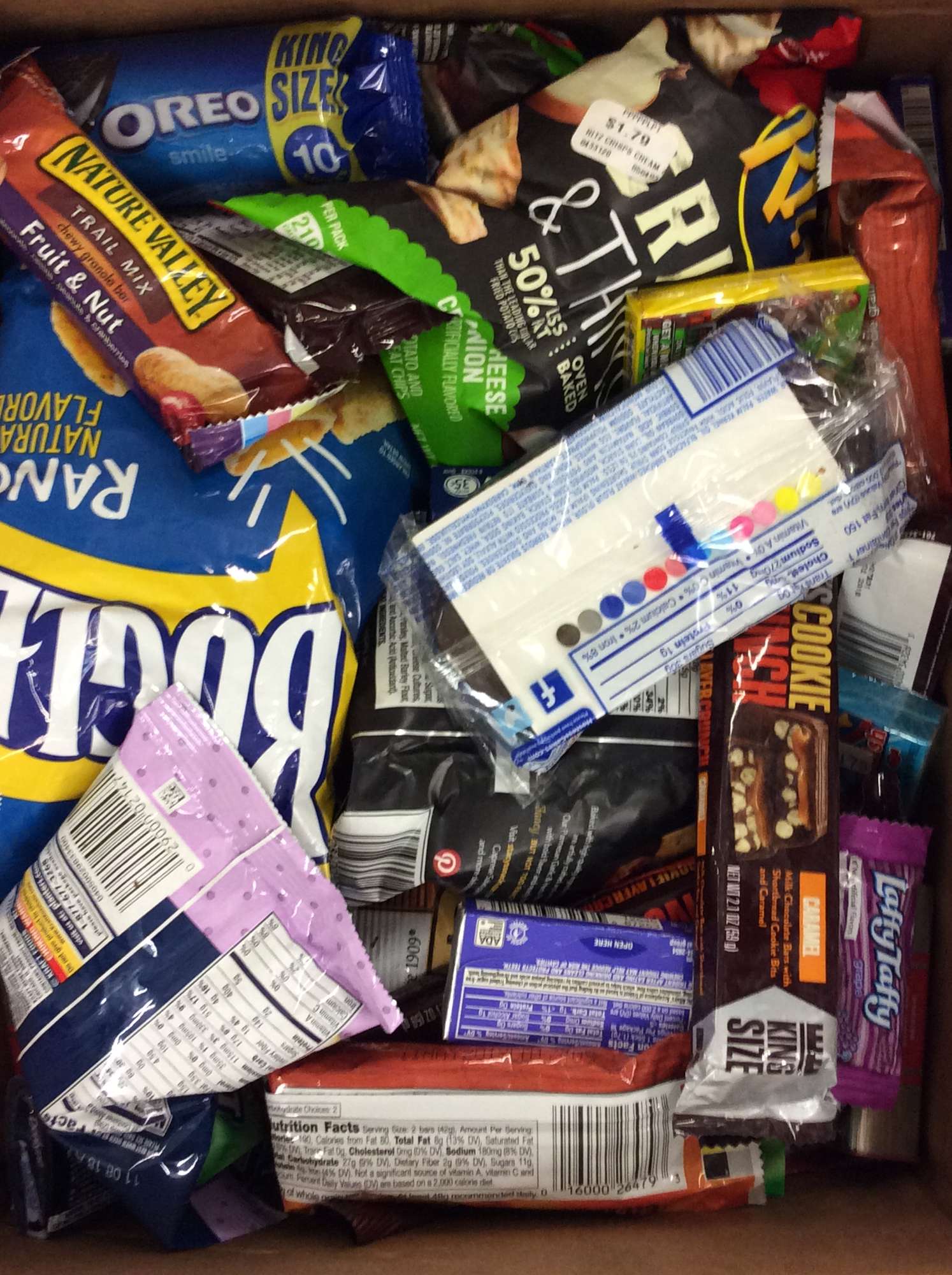
• Packaged Snacks
• Breakfast Foods
• Canned Goods
• Pasta & Rice
• Sauces & Condiments
• Beverages
• Candy & Seasonal Treats
• Health & Wellness Foods
• Baking Supplies
• Household Pantry Staples
Example Distribution Mix – Total: 350 Items
Snack Foods (Approx. 120 Items)
Chips and Pretzels: 40 units
Cookies and Crackers: 40 units
Granola Bars: 20 units
Mixed Candy Packs: 20 units
Canned & Jarred Goods (Approx. 80 Items)
Vegetables: 30 cans
Soups: 20 cans
Beans: 15 cans
Pasta Sauces: 15 jars
Breakfast & Pantry (Approx. 70 Items)
Cereal Boxes: 25 units
Oatmeal Packs: 20 units
Pancake Mix: 10 units
Rice and Pasta: 15 units
Beverages (Approx. 50 Items)
Energy Drinks: 20 units
Juice Packs: 15 units
Coffee Products: 15 units
Health & Specialty (Approx. 30 Items)
Protein Bars: 10 units
Gluten-Free Products: 10 units
Organic Snacks: 10 units
Shelf Life Details
Most pallets include:
• 60% Long Shelf Life Products (6 to 12+ Months)
• 30% Short-Dated Items (90 to 180 Days)
• 10% Customer Returns or Damaged Packaging
Products are not expired at the time of shipment unless clearly marked as salvage loads.
Who Buys Mystery Food Pallets
• Discount Grocery Stores
• Bin Stores
• Export Buyers
• Food Banks
• Online Bulk Resellers
• Convenience Store Owners
Strong resale potential with 30% to 60% profit margins depending on location and pricing strategy.
Mystery Food Pallets For Sale: Profit And Resale Tips
Buying surplus inventory is one of the fastest ways to build a high-margin resale business. When you look for mystery food pallets for sale, you are entering a high-volume market where grocery items are liquidated at a fraction of retail prices. This guide covers how to source these loads and turn them into a steady income stream.
Key Takeaways
-
Grocery pallets usually contain a mix of dry goods, snacks, and household consumables.
-
The primary sources include major retailers like Amazon, Walmart, and regional grocery chains.
-
Profit margins are highest when you buy locally to save on expensive freight costs.
-
Always check expiration dates and packaging integrity before listing items for resale.
-
Successful resellers use a mix of local flea markets, discount shops, and online platforms.
-
Safety is the priority, so understanding heat-treated pallet markings is essential.
Mystery Food Pallets For Sale
Mystery food pallets for sale typically include a diverse assortment of shelf-stable grocery items found in liquidation and surplus markets. These loads consist of overstock inventory, box damage items, or products that large retailers have pulled from their shelves to make room for new seasonal stock.
Unlike standard grocery wholesale, where you order specific quantities of one product, mystery pallets are sold as a “blind” or semi-manifested lot. This means you might receive a variety of brands and categories in a single shipment. It is a common practice for large chains to clear out warehouses by bundling these items into bulk units for quick sale.
Many buyers prefer this model because the cost per unit is significantly lower than traditional wholesale. You are essentially buying the retailer’s “problem” inventory and turning it into your profit. If you want to scale quickly, focus on verified suppliers that offer inspected grocery pallets with transparent manifests and buyer protection options.
What Types Of Products Will I Find Here When Buying Mystery Food Pallets For Sale?
You will find a broad range of packaged foods, snacks, beverages, and household consumables when sourcing these pallets. The inventory is usually categorized as dry goods, meaning items do not require refrigeration. You might see bulk boxes of cereal, granola bars, canned vegetables, spices, and coffee.
Variations in the inventory usually depend on the specific source. Surplus inventory consists of brand-new items that simply did not sell. Customer returns might include items with dented boxes or exterior packaging tears. Short-dated inventory includes products approaching their “best by” date, which are often sold at the steepest discounts.
Table 1: Comparison Of Food Pallet Inventory Types
| Inventory Type | Condition | Typical Discount | Resale Speed |
| Shelf-Pull Surplus | Brand New | 40% to 60% | Very Fast |
| Customer Returns | Mixed/Damaged | 70% to 80% | Moderate |
| Short-Dated | Close to Expiry | 85% to 95% | Immediate |
| Seasonal Clearance | Brand New | 50% to 70% | Fast |
Are Mystery Food Pallets For Sale Near Me Legitimate To Buy Locally?
Yes. Local availability is the best way to start because you can visit warehouses, auctions, and liquidation centers in person. Buying locally allows you to physically inspect the condition of the shrink-wrap and the overall stability of the pallet before you pay.
One major advantage of local pickup is the total elimination of freight costs. Shipping a single pallet of food can cost hundreds of dollars depending on the distance and weight. By using your own truck or trailer, you keep those savings in your pocket. Local centers also tend to have more frequent arrivals of fresh inventory.
What Are Amazon Mystery Pallets And How Do Food Pallets Fit In?
Amazon mystery pallets are bulk lots of returned or overstock items originally sold on the Amazon marketplace. While many people associate these with electronics or toys, grocery and food items are a massive part of the Amazon FBA ecosystem. These food items are frequently bundled into “Grocery & Gourmet Food” specific lots.
The main difference between food-only pallets and mixed general merchandise pallets is the handling requirement. Mixed pallets might contain heavy tools or chemicals alongside food. Food-only pallets are safer because there is less risk of cross-contamination. Most Amazon food returns are due to shipping delays or minor packaging dings rather than product quality issues.
Where Is The Best Place To Get Mystery Food Pallets For Sale?
The best places to source are online liquidation marketplaces, local wholesalers, and specialized auction platforms. Online marketplaces like B-Stock or Direct Liquidation allow you to bid on loads from major retailers. These sites provide photos and manifests so you know exactly what is on the pallet.
Local wholesalers are often better for beginners because they offer “cash and carry” options. You can find these by searching for regional liquidation warehouses in your city. Food-focused sellers are generally preferred over mixed inventory sellers because they understand the temperature and hygiene requirements for storing grocery products correctly.
How Do You Buy Amazon Return Pallets That Include Food Items?
To buy these pallets, you must first register with a liquidation platform and provide a valid resale certificate. Once registered, you can browse available lots and participate in auctions or use “Buy It Now” features. After winning an auction, you arrange for payment and then coordinate shipping or pickup from the warehouse.
Many platforms require a minimum order quantity of one pallet, though some wholesale clubs allow smaller “case lots.” You should always verify if the pallet is manifested. A manifest is a list of every item on the pallet, which helps you calculate your potential profit before you spend a single dollar.
Table 2: Estimated Costs By Pallet Category
| Category | Average Price | Target Profit | Risk Level |
| Premium Snacks | $600 to $900 | 50% | Low |
| Canned Goods | $300 to $500 | 30% | Very Low |
| Mixed Grocery | $400 to $700 | 40% | Moderate |
| Beverage Lots | $200 to $400 | 25% | Low |
| Organic/Specialty | $700 to $1100 | 60% | Moderate |
How Much Is One Amazon Return Pallet When It Contains Food?
The price usually ranges from $300 to $1,000 per pallet depending on the brand mix and condition. Premium pallets containing organic snacks or high-end coffee will sit at the higher end of that range. Lower-cost pallets often contain high volumes of heavy, low-value items like bottled water or generic canned goods.
Condition and expiration dates are the two biggest factors affecting the cost. Pallets with longer “best by” dates are more expensive because you have more time to sell the inventory. If you are buying a “mystery” lot without a manifest, the price should be significantly lower to account for the risk of receiving unsellable items.
What Is The Cost Of A Standard Pallet For Mystery Food Pallets For Sale?
A standard pallet typically costs between $400 and $800, but you must also factor in freight and handling expenses. Freight can add $150 to $400 to your total cost if you are not picking it up yourself. Handling fees are sometimes charged by warehouses for loading your vehicle or preparing the shipment for a carrier.
Food pallets often cost more to ship than general merchandise because they are heavier. Density plays a huge role in freight classification. While a pallet of pillows is light and cheap to move, a pallet of canned soup is dense and will trigger higher shipping rates. Always calculate the “landed cost” before deciding if a deal is profitable.
How Many Kilograms Is One Pallet Of Grocery Products?
A standard grocery pallet typically weighs between 450 and 1,000 kilograms. The weight depends entirely on the product density. A pallet stacked with boxes of chips might only weigh 200 kilograms, while a pallet of bottled juice or canned vegetables can easily reach the 1,000-kilogram limit for standard freight.
Weight affects your shipping classification and the equipment you need for unloading. If you are receiving a delivery at a residential address, you will need a lift-gate service. This is a special hydraulic lift on the back of the truck that lowers the pallet to the ground. This service usually costs an extra $50 to $100 per delivery.
Table 3: Common Pallet Weight Limits By Product Type
| Product Type | Average Weight (kg) | Shipping Difficulty | Equipment Needed |
| Light Snacks | 150 to 300 | Easy | Manual Jack |
| Boxed Cereals | 250 to 400 | Easy | Manual Jack |
| Canned Goods | 800 to 1,000 | Hard | Electric Jack |
| Bottled Water | 900 to 1,100 | Very Hard | Forklift |
| Mixed Grocery | 500 to 700 | Moderate | Manual Jack |
Do Pallets Need To Be Cleaned Before Handling Food Inventory?
Yes. Hygiene is critical when dealing with grocery liquidation to prevent contamination. Even if the food is packaged, the exterior boxes can accumulate dust, warehouse debris, or residues from other broken items on the pallet. You should always wipe down the exterior packaging of items before you sell them to a customer.
Proper handling involves inspecting the pallet for signs of pests or leaks. If a bottle of syrup broke during transit, it can create a sticky mess that attracts insects. Clean the area immediately and ensure that no liquid has seeped into other cardboard containers. Maintaining a clean workspace helps you retain the value of your inventory.
Why Are Some Pallets Considered Toxic Or Unsafe For Food Storage?
Some pallets are unsafe because they have been treated with a chemical called Methyl Bromide. These are usually marked with the letters “MB” on the side of the wood. Methyl Bromide is a pesticide that can leach into porous packaging and contaminate food products. You should never use “MB” pallets for storing or displaying grocery items.
Safe pallets for food transport are usually marked with “HT,” which stands for Heat Treated. These have been heated to a specific core temperature to kill pests without using toxic chemicals. Plastic pallets are also a great option for food storage because they are non-porous and easy to sanitize. Check the International Plant Protection Convention website for more on International Standards For Phytosanitary Measures regarding wood packaging.
Can You Make Money Buying Mystery Food Pallets For Sale?
Yes. You can make significant money if you focus on high-turnover items and keep your overhead low. Most successful resellers use a “multi-channel” approach. They sell the best items on local marketplaces like Facebook or Craigslist and move the bulk volume through discount “bin stores” or flea market stalls.
The key to profit is the “buy low, sell fast” mentality. Grocery items have a ticking clock due to expiration dates. You cannot afford to let inventory sit in a garage for six months. If you buy a pallet for $500 and it contains $1,500 worth of retail value, your goal should be to recover your initial $500 within the first week of sales.
Table 4: Food Safety Do’s And Don’ts For Resellers
| Action | Do | Don’t |
| Expiration Checks | Check every single unit | Sell expired baby formula |
| Package Integrity | Inspect for seal breaks | Sell items with open liners |
| Storage | Store in cool, dry areas | Store food near chemicals |
| Cleaning | Wipe down dusty boxes | Use bleach on food liners |
| Recalls | Check the FDA recall list | Ignore safety warnings |
How Do You Start A Pallet Business Focused On Food Products?
Starting a pallet business requires a warehouse space, a reliable vehicle, and a resale permit from your state. You need to understand local compliance laws regarding the resale of food. Some states require a specific food handlers license if you are breaking down bulk lots for individual resale.
Once your legal paperwork is ready, start with one or two pallets to test your local market. Focus on building a consistent customer base that values discounts. If you need help getting started, you can contact our platform for starter pallet bundles and sourcing support tailored to grocery resellers. We help you find the best inventory to match your specific budget
What Are The Risks Of Buying Mystery Food Pallets For Sale?
The biggest risks are expired products, damaged packaging, and unsellable inventory. Unlike general merchandise, food has a shelf life. If you receive a pallet where 50% of the items expire in three days, you will likely lose money. Damaged packaging can also be a deal-breaker if the internal food seal is compromised.
You can mitigate these risks by only buying from reputable suppliers that provide recent photos of the actual pallet. Avoid sellers who use “stock photos” that do not show the real condition of the boxes. Always research the supplier’s reputation on forums or review sites to ensure they do not “cherry-pick” the best items before selling the pallet to you.
How Can You Tell If A Mystery Food Pallet Seller Is Scamming You?
A major red flag is a seller who refuses to provide a physical address for their warehouse. Scammers often use social media to advertise “unclaimed Amazon packages” for impossibly low prices, like $50 for a full pallet. If the price seems too good to be true, it almost certainly is. Legitimate pallets have a market value based on their weight and content.
Verify the business credentials by checking if they are registered with the Better Business Bureau. Use secure payment methods like credit cards or PayPal that offer buyer protection. Never send money via wire transfer or “Friends and Family” to someone you have not met in person. Real businesses will provide a formal invoice and a clear manifest.
Can You Really Buy Amazon Mystery Boxes That Contain Food Items?
Yes, but they are rarely the “mystery boxes” you see in viral videos. In the professional liquidation world, these are called “small lots” or “case packs.” They are legitimate bundles of items that have been removed from Amazon’s shelves. These boxes are a great way for beginners to start without needing a large warehouse or a forklift.
Legitimate food bundles are typically sold by weight or piece count. You might buy a box of 50 assorted snacks for a flat fee. This is much safer than buying a large pallet if you are just testing the waters. For more information on how the government regulates food safety during transport, see the FDA Food Safety Modernization Act guidelines.
Table 5: Profit Potential Breakdown For A Standard Grocery Pallet
| Expense/Revenue Item | Estimated Amount | Note |
| Pallet Purchase Price | $500 | Average mixed grocery |
| Freight Shipping | $200 | LTL residential delivery |
| Total Investment | $700 | Your total “landed” cost |
| Total Retail Value | $1,800 | Based on MSRP |
| Resale Revenue (50% Off) | $900 | Typical discount pricing |
| Net Profit | $200 | After all expenses |
Frequently Asked Questions About Mystery Food Pallets For Sale
Are Mystery Food Pallets For Sale Legitimate And Safe To Buy For Resale?
Yes. These pallets are a legitimate part of the retail supply chain. Large companies like Amazon and Walmart use liquidation to manage overstock efficiently. As long as you follow basic safety rules, such as checking for intact seals and valid expiration dates, the products are perfectly safe for resale. You should also consult research on Food Waste And Recovery from the USDA to understand how liquidation helps the environment.
How Much Is One Amazon Return Pallet When It Contains Food Products?
The cost typically falls between $300 and $1,000. The price depends on the specific category of food and the “manifested” value of the inventory. High-demand items like energy drinks, protein bars, and specialty snacks will command a higher price than basic pantry staples. According to technical research on Packaging Sustainability, the condition of the secondary packaging (the cardboard boxes) significantly influences the perceived value in the secondary market.
Be the first to review “Buy Mystery Food Pallets For Sale (200+ Grocery Items From $399)”
Related products
Reviews
There are no reviews yet.