
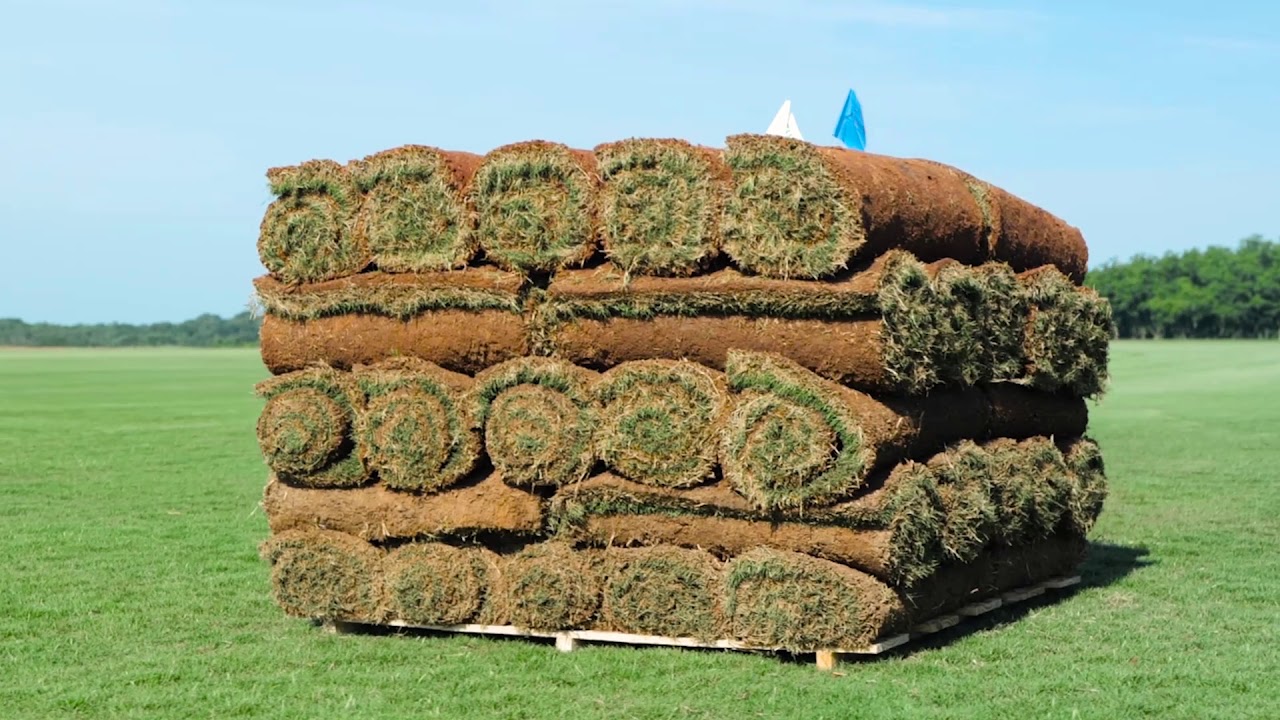
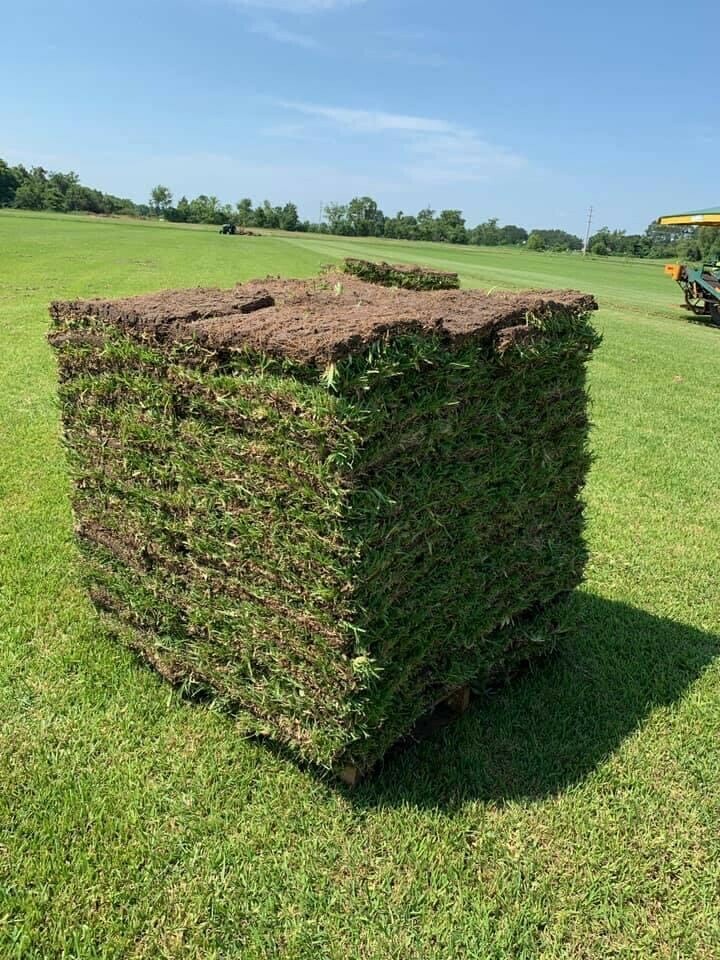
Buy Pallet Of Sod For Sale (450 Sq Ft – $350)
$350.00
Status: In Stock
Seller: Verified Turf Grass Wholesale Supplier
Source: Farm Direct Sod, Fresh Harvest Turf
Condition: Fresh Cut, Field Grown, Ready To Install
Grass Types: Bermuda, St. Augustine, Zoysia, Fescue
Coverage Per Pallet: Approx. 450 Sq Ft
Pieces Per Pallet: 60 to 70 Sod Rolls
Cut To Order: Yes
Best For: Lawns, New Construction, Commercial Landscaping
Shipping Area: Fast Freight Delivery Nationwide And Worldwide
Product Overview
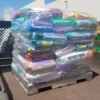
Buying a pallet of sod is the fastest way to transform bare soil into a lush, green lawn. Each pallet is freshly harvested, tightly stacked, and shipped quickly to preserve moisture and root health. Ideal for homeowners, landscapers, and contractors looking for instant curb appeal with professional results.
Available Grass Types Breakdown
Bermuda Grass
Coverage: Approx. 450 Sq Ft
Best For: Warm climates, high traffic lawns
Note: Fast growing, drought tolerant, excellent for full sun
St. Augustine Grass
Coverage: Approx. 400 to 450 Sq Ft
Best For: Residential lawns, partial shade
Note: Thick blades, rich green color, popular in southern states
Zoysia Grass
Coverage: Approx. 450 Sq Ft
Best For: Premium lawns and commercial spaces
Note: Dense growth, slow spreading, low maintenance once established
Fescue Grass
Coverage: Approx. 450 Sq Ft
Best For: Cooler regions and shaded areas
Note: Deep roots, stays green longer in mild climates
Example Pallet Contents
Total Coverage: Approx. 450 Square Feet
-
Sod Rolls: 60 to 70 pieces
-
Roll Size: 16 x 24 inches average
-
Thickness: 1 to 1.5 inches with soil base
-
Moisture Retention: Field fresh and pallet wrapped
Why Buy Sod By The Pallet
-
Immediate lawn results without waiting for seed growth
-
Professional grade turf direct from farms
-
Lower cost per square foot compared to retail rolls
-
Ideal for large lawn projects and resale landscaping jobs
Handling And Installation Notes
-
Install within 24 hours of delivery for best results
-
Water immediately after installation
-
Light foot traffic only for the first 10 to 14 days
Pallet Of Sod Explained — Cost, Square Feet & Augustine Facts
You want a green lawn, and you want it now. Buying a pallet of sod is the fastest way to transform bare dirt into a lush yard. It solves the problem of waiting for seeds to grow and prevents mud from tracking into your house. However, figuring out how much to buy or how to transport it can be confusing.
We are here to make this process simple. You will learn exactly what fits on a pallet, how much it costs, and how to get it to your driveway safely.
Key Takeaways
-
A standard pallet usually covers 450 to 500 square feet.
-
A full pallet weighs between 2,000 and 3,000 lbs, so heavy-duty trucks are needed.
-
St. Augustine is the most popular warm-season grass but requires specific care.
-
Freshness matters; sod must be laid within 24 hours of delivery.
-
Ordering extra (about 5-10%) handles cuts and waste around borders.
Pallet Of Sod?
A pallet of sod is a wooden skid stacked with layers of grass that has been harvested from a turf farm. The grass is cut into rolls or rectangular slabs. This includes a layer of soil and roots held together by netting or the root system itself.
People buy pallets for new construction, fixing large dead patches, or replacing a lawn entirely. It is the most economical choice when you need more than just a few pieces. Buying in bulk is cheaper than buying individual rolls at a garden center.
Where To Find A Pallet Of Sod Near Me?
You can find pallets at local turf farms, landscape supply yards, and some big-box home improvement stores. Local farms are often the best choice. They cut the grass the morning of your delivery.
Freshness is the most critical factor. Sod is a living product. It begins to decompose the moment it is cut. Local landscape suppliers usually have a delivery radius of 50 to 100 miles to ensure the grass survives the trip.
How Much Is A Pallet Of Sod?
A single pallet typically costs between $300 and $500. The price depends on three main things:
-
Grass Variety: Premium types like Zoysia cost more than standard Bermuda.
-
Quantity: Buying multiple pallets often lowers the cost per pallet.
-
Delivery: This is usually a separate fee based on mileage.
Farm-direct pricing eliminates the middleman. Retailers add a markup to cover their handling and storage.
How Much Is A Pallet Of Sod At Lowe’s?
Prices at big-box stores like Lowe’s typically range from $350 to $600. However, stock varies by location. These stores may not have fresh pallets sitting in the parking lot every day. They often sell by the roll. If you order a full pallet from them, it might still come from a local vendor but with a retail markup added.
You should always verify the square footage labels. Some retail pallets are smaller, covering only 400 square feet, which changes the value calculation.
How Many Square Feet In A Pallet Of Sod?
450 to 500 square feet. This is the industry standard. However, farms harvest differently. Some use 16-inch rolls, while others use 24-inch slabs.
Table 1: Typical Pallet Coverage by Grass Type
You should treat these numbers as estimates. Soil moisture adds weight and thickness.
What To Know About A Pallet Of St Augustine Grass?
St. Augustine is a wide-bladed, dark green grass popular in the southern United States. It is known for good shade tolerance compared to Bermuda grass.
Sub-types like Floratam love the sun, while Palmetto or Seville handle shade better. This grass requires plenty of water. It is also sensitive to cold weather. If you live in a transition zone, ensure your winters are mild enough for St. Augustine to survive.
How Much Does A 400 Sq FT Pallet Of Sod Weigh?
Approximately 2,000 to 2,500 pounds. Weight is determined by water content. If it rained at the farm before harvest, the soil holds that water. A wet pallet can weigh over 3,000 pounds.
This weight is dangerous. You must be careful around forklifts. When a delivery driver unloads it, stay back. The pallet jack needs a paved surface to move; it cannot roll on soft dirt or gravel.
Can My Truck Carry A Pallet Of Sod?
No, usually not. Unless you have a heavy-duty truck.
A standard half-ton pickup (like a Ford F-150 or Chevy 1500) has a payload capacity of around 1,500 to 1,800 pounds. A pallet of sod often exceeds 2,500 pounds. Loading this into a half-ton truck will damage the suspension, tires, and transmission. It is also a safety hazard for braking.
Table 2: Truck Payload vs. Sod Weight
You should split the load into two trips or pay for delivery if your truck is not rated for it.
Can I Lay Sod Myself Or Hire A Pro?
Yes, you can do it yourself. It requires physical labor but no complex technical skills. You need a knife to cut pieces and a rake to smooth the soil.
Professionals are faster. A crew can install a pallet in under an hour. It might take a DIYer half a day. Pros also ensure the seams are tight, which prevents drying out. If you have back problems, hiring a pro is the better choice.
How Much Does It Cost To Lay A Pallet Of Sod?
Labor typically costs $200 to $400 per pallet (installation only). This does not include the cost of the grass.
Table 3: Estimated Installation Costs (Labor Only)
The price increases if the crew has to wheelbarrow the grass a long distance from the street to the backyard.
How To Prep Ground For Sod?
Success happens before the grass arrives.
-
Clear Debris: Remove rocks, sticks, and old weeds.
-
Till the Soil: Loosen the top 3 to 4 inches of dirt.
-
Level It: Use a rake to knock down high spots and fill low spots.
-
Roll It: Lightly pack the soil so it is firm but not hard.
You can read more about soil preparation in this USDA Soil Survey guide. It helps you understand what kind of dirt you are working with.
Should You Put Topsoil Down Before Sod?
Yes. A fresh layer of topsoil helps roots establish quickly. This is especially true if your existing ground is hard clay or sandy.
Spread about 1 to 2 inches of quality topsoil or compost. Rototill it into your existing ground. This prevents a “perched water table” where water gets stuck between the new soil and the hard ground below.
What Should You Not Do When Laying Sod?
-
Do not stretch the rolls: Sod shrinks when it dries. Stretching it creates gaps later.
-
Do not overlap pieces: This creates bumps that the mower will scalp later.
-
Do not leave gaps: Push edges tight against each other.
-
Do not wait to water: Water the first section you lay immediately, even before finishing the rest.
When Is The Best Time To Lay Sod?
Spring and Fall are ideal. However, you can lay sod almost any time of year if water is available.
Table 4: Seasonal Planting Guide
Warm-season grasses installed in winter will be brown (dormant) but will green up in spring. Research from Texas A&M AgriLife Extension confirms that dormant sodding is successful if the roots are kept moist.
How Long Does It Take Sod To Root?
About 2 to 3 weeks. Shallow roots form within the first 10 days. Deep rooting takes about a month.
You can test this by gently pulling up on a corner of the grass. If it resists, it is rooting. Do not mow the lawn until the roots are firm enough to hold the grass down. This is usually 3 weeks after installation.
How Much Sod Do I Need?
You need to measure your area. Multiply the Length by the Width to get square footage.
-
Example: 20 feet x 25 feet = 500 square feet.
Add 5% to 10% extra. You will cut pieces to fit around trees, walkways, and curves. These scraps are wasted. It is expensive to pay for a truck to deliver just 5 extra rolls if you run short.
Selling Point: Request a fast, custom takeoff and quote from our team to lock in delivery dates.
How To Use A Sod Calculator?
Most online calculators ask for length and width. If you have an odd shape, break it into smaller rectangles or triangles. Calculate each section and add them together. You can use tools like Google Earth to measure large properties roughly.
How Much Does Sod Cost?
Total project cost includes materials and labor. Budgeting per pallet is easier than per square foot.
Table 5: Total Project Cost Estimate (Per Pallet)
How Much Does Sod Delivery Cost?
Delivery fees range from $75 to $200. This pays for the heavy flatbed truck and the forklift (Moffett) attached to the back. Drivers need a wide area to park. Ensure your driveway is clear of cars. They usually drop the pallets on the driveway or the curb, not in the backyard.
Frequently Asked Questions About Pallet Of Sod?
How Heavy Is A Pallet Of Sod?
A pallet weighs between 2,000 and 3,000 lbs. The weight depends heavily on the moisture content of the soil at the time of harvest.
What Factors Affect The Price Of A Pallet Of Sod?
The grass variety, the distance from the farm, and the time of year affect the price. Premium grasses like Zoysia or specific St. Augustine cultivars cost more than standard Bermuda.
How many pieces of sod are on a pallet?
There are typically 150 to 170 pieces if they are standard rolls. If the farm uses large slabs, the count will be lower, but the square footage remains the same (450-500 sq ft).
Does Home Depot sell pallets of sod?
Yes, Home Depot sells pallets. However, they are often special order items. You should check with the Pro Desk to see if they have a local grower agreement for fresh delivery.
How big is a pallet of sod dimensions?
The wooden pallet itself is usually 48 inches by 48 inches. The grass may overhang the edges slightly. The height depends on how many layers are stacked, usually around 4 feet high.
What is the best grass for shade?
St. Augustine and Fescue are generally best for shade. Specifically, varieties like Palmetto St. Augustine perform well. You can read more about shade-tolerant grasses at the University of Florida IFAS Extension.
Can I return leftover sod?
No. Because sod is a perishable living plant, farms and stores generally do not accept returns on leftover rolls.
Should I fertilize new sod immediately?
No. Wait about 30 days. Putting high-nitrogen fertilizer on fresh sod can burn the new, short roots. Use a root starter fertilizer instead or wait until the grass has rooted. The EPA WaterSense guidelines also suggest proper watering is more important than fertilizer in the beginning.
How do I keep sod alive on the pallet?
You must install it within 24 hours. If you must wait, keep the pallet in the shade and unstack the top layers to let heat escape. Sod composts and heats up quickly when stacked.
Is Zoysia grass better than St. Augustine?
It depends on your needs. Zoysia is more durable for foot traffic and has a softer feel. St. Augustine is coarser but handles shade better. Both are excellent choices for warm climates. For garden design ideas involving these grasses, you can check resources like The Spruce.
6 reviews for Buy Pallet Of Sod For Sale (450 Sq Ft – $350)
Add a review
Related products

Tool pallets for sale
Tool pallets for sale
Tool pallets for sale
Buy Halloween Pallets For Sale (200+ Costumes & Decor From $399)
Tool pallets for sale
Tool pallets for sale

Tool pallets for sale
Buy Milwaukee Pallets For Sale (50+ Premium Items from $1,200)
Tool pallets for sale
Tool pallets for sale
Daniel R. –
Ordered one pallet for a backyard renovation and the sod arrived fresh and green. Installation was straightforward and it rooted quickly.
Laura M. –
Grass was cut the same morning according to the driver. Very impressed with how healthy it looked even after transit.
Kevin L. –
Used this for a small commercial project and coverage was right on target. Clients were happy with the immediate results.
Angela P. –
The pallet was neatly stacked and wrapped. No dried edges and minimal waste during install.
Marcus J. –
Delivery was on time and communication beforehand was clear. Grass quality exceeded expectations.
Samantha C. –
We chose St. Augustine and it established quickly with daily watering. Looks great after two weeks.