
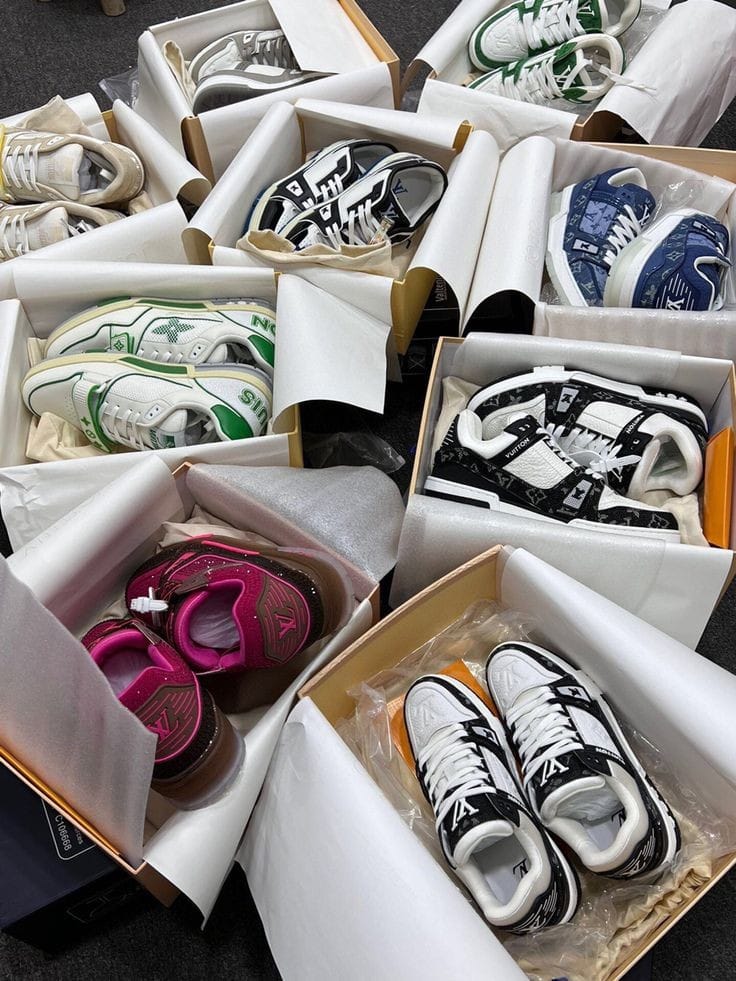
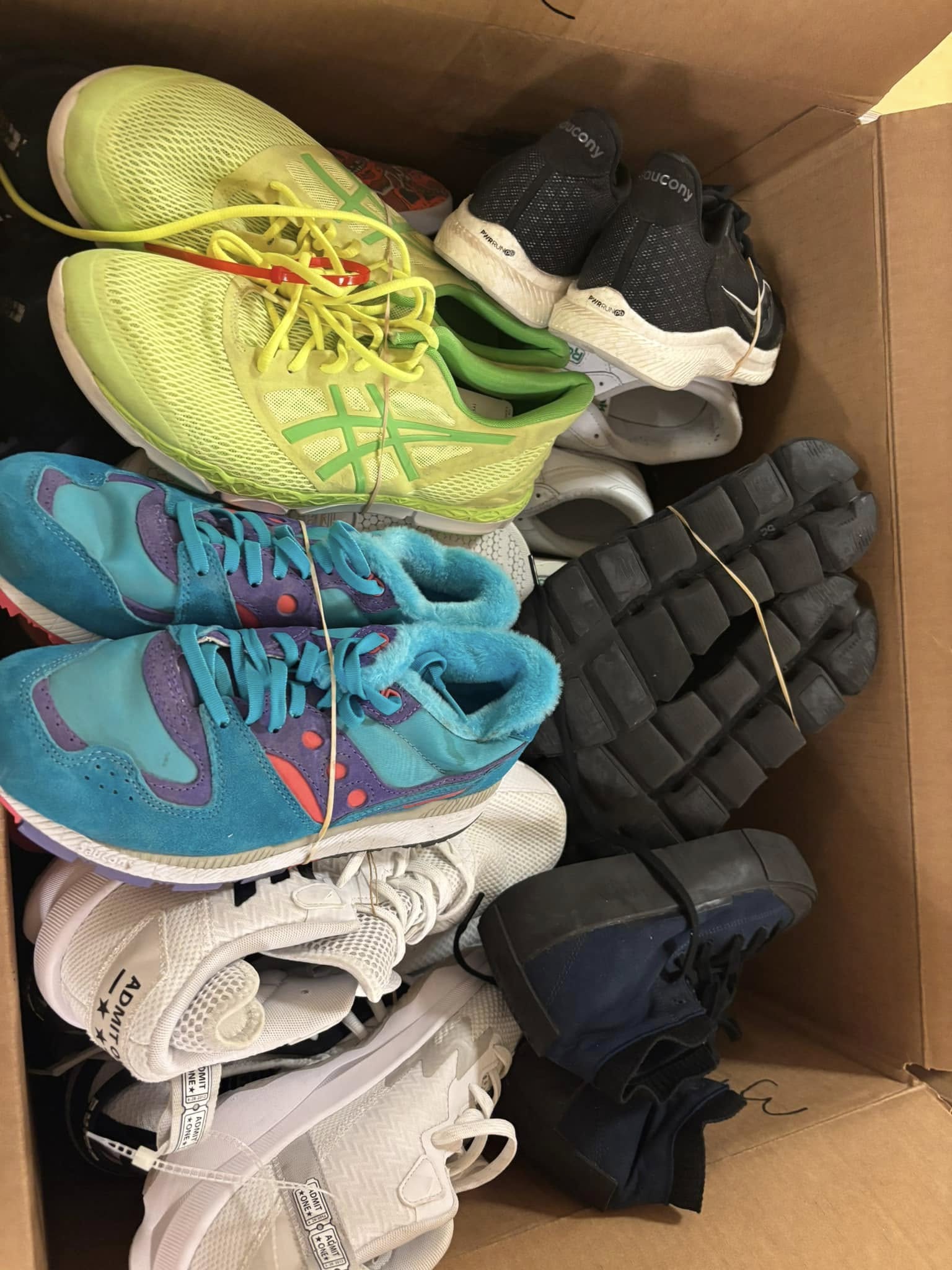
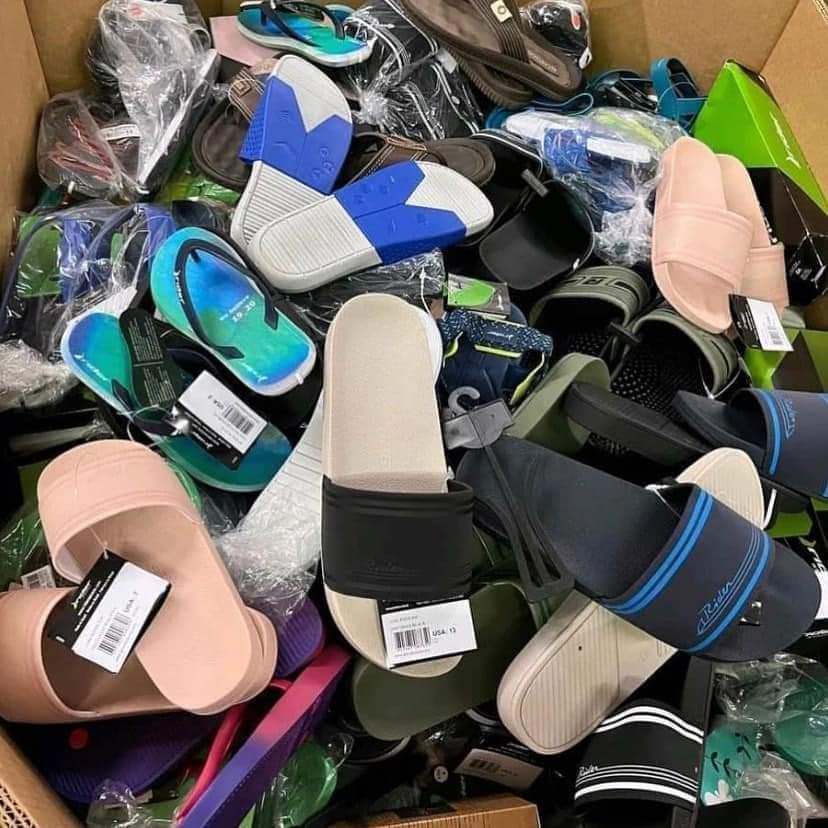
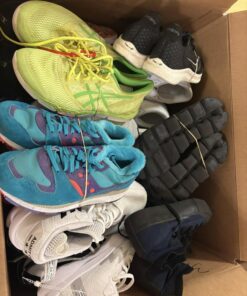
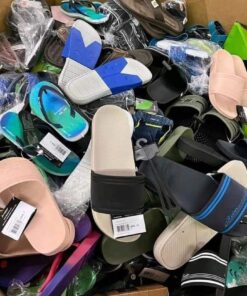
Buy Shoe Liquidation Pallets For Sale (200+ Pairs From $895)
Current Price: From $895 Per Pallet
Status: In Stock – Ready To Ship
Seller: Verified U.S. Footwear Liquidation Supplier
Source: Major Retailer Overstock, Shelf Pulls & Customer Returns
Condition: Mixed – New In Box, Like-New, and Light Customer Returns
Brands Included: Nike, Adidas, Puma, New Balance, Skechers, Vans and More
Sizes: Mixed Adult & Youth Sizes (Men, Women & Kids)
Items per Pallet: 200+ Pairs Assorted Styles
Estimated Retail Value: Up To $8,000+
Packaging: Original Shoe Boxes, Master Cartons, Secure Freight Wrap
Distribution Agreement Required: No
Shipping Area: Fast Freight Delivery Across USA & Worldwide
Detailed Breakdown by Brand
Nike (50–70 Pairs)
Sizes: Men 7–13, Women 6–11
Note: Popular models often include Air Max, Air Force 1, Revolution, and running trainers. High resale demand year-round.
Adidas (40–60 Pairs)
Sizes: Men 7–13, Women 6–11
Note: Frequently includes Ultraboost, NMD, Superstar, and performance running shoes.
Puma (20–30 Pairs)
Sizes: Mixed adult sizes
Note: Sport lifestyle and athletic trainers with steady resale value.
New Balance (20–25 Pairs)
Sizes: Men and Women mixed
Note: Running and comfort-focused styles with strong online demand.
Skechers & Vans (30–40 Pairs)
Sizes: Adult and youth
Note: Casual, skate, and comfort footwear ideal for local marketplaces.
Example Pallet Manifest – Total: 200+ Pairs
Athletic Running Shoes: 90 Pairs
Lifestyle Sneakers: 60 Pairs
Casual & Slip-Ons: 25 Pairs
Kids & Youth Shoes: 15 Pairs
Boots & Seasonal Styles: 10+ Pairs
Perfect for resellers on eBay, Amazon, Facebook Marketplace, flea markets, and local sneaker stores. Strong profit margins due to recognizable brands and mixed size runs.
Shoe Liquidation Pallets: Wholesale Sneakers Trading
Finding a reliable source for inventory is the biggest challenge for any modern reseller. If you are looking to scale your business, shoe liquidation pallets offer a high-volume solution. These pallets consist of overstock items, seasonal clearances, and customer returns from major retailers. This guide will show you how to navigate the bulk market effectively. We will cover everything from sourcing to pricing for maximum profit margins.
Key Takeaways
-
Understand the difference between manifested and unmanifested loads.
-
Identify high-demand brands like Nike for faster turnover.
-
Calculate shipping costs before finalizing any bulk purchase.
-
Inspect every pair for authenticity and condition grades.
-
Focus on seasonal timing to get the best pricing.
-
Use multiple platforms like eBay and Poshmark for resale.
-
Verify supplier credentials to avoid common industry scams.
-
Start with smaller lots if you are a beginner.
Shoe Liquidation Pallets
Shoe liquidation pallets are bulk bundles of footwear sold at a fraction of their original retail price. These bundles are typically sold by liquidators who buy excess inventory from big-box stores. When you purchase these pallets, you are acquiring stock that a retailer no longer wants to keep in their warehouse.
Retailers liquidate shoes for several practical reasons. Overstock occurs when a store orders too many units of a specific style. Seasonal clearance happens when winter boots must be moved to make room for summer sandals. Additionally, customer returns are a major source of liquidation inventory. According to the National Retail Federation, billions of dollars in merchandise are returned by consumers every year.
The variety found in these pallets is often quite broad. You might find high-end branded sneakers, casual loafers, or athletic cleats in a single shipment. This variety allows you to appeal to different customer segments. For resellers, the profit opportunity lies in the gap between the liquidation cost and the individual resale value.
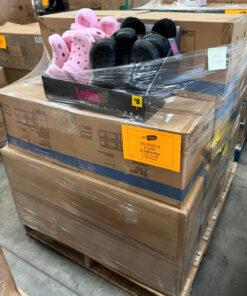
Image Suggestion: A warehouse photo showing stacked wooden pallets filled with various shoe boxes.
Alt Text: Large wooden pallets stacked with branded shoe boxes in a distribution warehouse.
What Are The Most Common Types Of Shoe Liquidation Pallets?
The most common types are categorized by how much information is provided to the buyer. Manifested pallets come with a detailed list of every pair included. This list usually specifies the brand, size, and style. Unmanifested pallets are essentially mystery boxes. While they are cheaper, they carry a higher risk because you do not know the contents until they arrive.
Table 1: Manifested vs. Unmanifested Pallets
| Feature | Manifested Pallets | Unmanifested Pallets |
| Data Provided | Full itemized list | General category only |
| Risk Level | Low | High |
| Price Point | Higher | Lower |
| Best For | Experienced sellers | High-volume risk-takers |
| Predictability | High | Low |
Pallets also vary significantly in size and shoe count. A standard pallet might hold anywhere from 100 to 500 pairs of shoes. The total count depends on whether the shoes are in boxes or are loose. Generally, athletic sneakers and brand-name shoes sell the fastest in the secondary market. If you find pallets with popular sizing (Men’s 9-11 or Women’s 7-9), your turnover rate will be much higher.
Where Can You Buy Shoe Liquidation Pallets?
You can buy shoe liquidation pallets through wholesale marketplaces, dedicated liquidation companies, and online auction sites. Many reputable platforms act as middlemen between large retailers and small business owners. Local suppliers are excellent if you want to save on shipping costs by picking up the inventory yourself.
Online platforms offer a wider selection but require careful research. It is often beneficial to look for suppliers that specialize specifically in footwear. If you are serious about growing your business, you should contact trusted suppliers directly. Building a relationship with a liquidator can give you early access to high-demand loads before they hit the public auction.
What Are The Best Shoe Liquidation Pallets For Maximum Profit?
The best pallets for profit are those containing high-demand athletic brands or limited-edition releases. Sneakers from brands like Nike, Jordan, and Adidas consistently hold their value. Even when sold as returns, these items often command prices near their original retail value if the condition is good.
To spot undervalued pallets, look for “shelf pulls.” These are items that were never purchased by a customer but were removed from the sales floor. They are typically in pristine condition. Avoid pallets that have a high percentage of “salvage” items unless you have a way to repair them. Focus on pallets where the estimated retail value is at least four times your purchase price.
How Much Do Shoe Liquidation Pallets Cost?
The cost of shoe liquidation pallets varies based on quantity and quality. Small lots or “mini pallets” might cost between $500 and $1,500. Medium pallets often range from $2,000 to $5,000. Large, high-end loads containing premium sneakers can exceed $10,000.
Table 2: Estimated Price Ranges By Pallet Size
| Pallet Size | Estimated Shoe Count | Typical Price Range | Target Buyer |
| Small/Mini | 25 – 50 Pairs | $500 – $1,500 | Beginners/Side Hustlers |
| Standard | 100 – 250 Pairs | $2,000 – $5,000 | Full-time Resellers |
| Large/LTL | 300+ Pairs | $6,000+ | Warehouse Operators |
| Premium Brand | 50 – 100 Pairs | $5,000+ | Sneaker Specialists |
| Bulk Truckload | 2,000+ Pairs | $20,000+ | Large Enterprises |
Several factors affect these costs. Brand name is the primary driver of price. Condition also plays a role, as new-in-box items are more expensive than returns. You must also account for shipping and handling fees. Shipping a heavy pallet across the country can cost several hundred dollars, which eats into your profit margins.
Are Shoe Liquidation Pallets Worth Buying?
Yes, shoe liquidation pallets are worth buying if you have a clear plan for processing and selling the inventory. The profitability depends on your ability to accurately assess the condition of the stock. New-in-box pallets offer the most security but require a larger upfront investment. Customer return pallets are riskier but can yield massive returns if the items are in good shape.
If you are a beginner, it is wise to start small. Buying a single case or a mini pallet allows you to test the local market. You can learn which brands sell best in your area without risking thousands of dollars. Success in this industry requires patience and a keen eye for detail.
How Do Nike Shoe Liquidation Pallets Differ From General Pallets?
Nike pallets are distinct because of their extremely high resale demand and consistent market value. While general pallets might contain various generic or low-cost brands, Nike loads are focused on a single powerhouse brand. These pallets are typically more expensive because the liquidator knows the items will sell quickly.
Most Nike liquidation stock is sourced from factory store overstock or major sporting goods retailers. Popular models like Air Force 1s, Dunks, and running shoes are common in these loads. Because Nike is a global brand, these shoes are easier to sell on platforms like StockX or GOAT. The high demand means you will likely face more competition when bidding on these specific pallets.
Can You Make Money Selling Shoe Liquidation Pallets On Amazon?
Yes, you can make money on Amazon, but it requires navigating strict requirements. Amazon is a highly competitive marketplace with specific rules for selling branded items. You must ensure that you are “ungated” or approved to sell specific brands like Nike or Adidas. This often requires providing invoices from authorized wholesalers.
The challenges include high seller fees and the need for absolute listing accuracy. If a customer receives a shoe that does not match the description exactly, your account health could be at risk. To maximize profit, use the Fulfillment by Amazon (FBA) service. This allows you to scale by letting Amazon handle the shipping and customer service.
How Do Amazon Return Shoe Pallets Work?
Amazon return shoe pallets are composed of items sent back by customers for various reasons. Some shoes might be returned because they did not fit, while others might have been worn once and then sent back. These items are gathered at return centers and then sold in bulk to liquidators.
Table 3: Condition Grade Definitions
| Condition Grade | Description | Resale Potential |
| New/Shelf Pull | Original packaging, never worn | 90-100% of MSRP |
| Like New | Tried on once, no visible wear | 70-80% of MSRP |
| Used/Good | Minor wear or light dirt | 40-50% of MSRP |
| Damaged | Scuffs, tears, or missing laces | 10-20% of MSRP |
| Salvage | Unsellable in current state | Parts/Repair only |
To evaluate profitability, you should assume a certain percentage of the pallet will be unsellable. Many experienced resellers use a 20% “defect” rule of thumb. If the pallet is still profitable with 20% of the items removed, it is usually a safe investment.
What Is The Best Way To Inspect Shoe Liquidation Pallets?
The best way to inspect a pallet is to perform a systematic “pair-by-pair” check as soon as it arrives. You must look for signs of wear, manufacturing defects, or damage to the original box. It is also vital to verify the authenticity of high-end brands. Counterfeit items occasionally slip into return streams, and selling them can get your accounts banned.
Resellers should use a digital inventory system to document every pair. Take clear photos of any flaws immediately. This documentation is helpful for listing items accurately and for filing claims if the pallet was not as described. A simple barcode scanner can speed up the process of looking up market prices for each style.
How Do Shoe Liquidation Pallets Affect Retail Markets?
Shoe liquidation pallets play a crucial role in the retail ecosystem by clearing out stagnant inventory. This process allows major retailers to stay profitable by recouping some of their losses. It also creates a massive secondary market where small business entrepreneurs can thrive. By selling these items at a discount, resellers provide affordable options for budget-conscious consumers.
Liquidation trends often follow a seasonal cycle. You will see a surge in boot pallets during the spring and sandal pallets in the autumn. For a small business, this means you must plan your storage and cash flow around these seasonal waves. According to U.S. Department of Commerce data, retail inventory levels significantly influence broader economic health.
How Can You Avoid Fraud When Buying Shoe Liquidation Pallets?
You can avoid fraud by only dealing with established liquidation companies that have verifiable reviews. Scams are common in this industry, especially on social media platforms. Be wary of deals that seem too good to be true, such as “Brand New Nike Pallets” for $200. These are almost always fraudulent.
Always verify the supplier’s physical address and contact information. Use secure payment methods like credit cards or established third-party payment processors that offer buyer protection. Avoid sending wire transfers or using “friends and family” payment options with new suppliers. Check the Better Business Bureau for any history of complaints against the company.
What Types Of Shoes Are Most Profitable In Liquidation Pallets?
Sneakers and athletic footwear are the most profitable categories due to their high demand and broad appeal. Specifically, basketball shoes and “athleisure” styles sell very quickly. Brands like New Balance, Brooks, and Hoka have seen a massive surge in resale value recently.
Table 4: High-Demand Shoe Categories
| Category | Typical Resale Speed | Profit Margin |
| Basketball Sneakers | Fast | High |
| Running Shoes | Medium | Medium |
| Work Boots | Slow | High |
| Children’s Shoes | Fast | Low |
| Designer/Luxury | Slow | Very High |
Limited edition releases are the “holy grail” of liquidation. If you find a pair of limited collaboration shoes in a return pallet, it could pay for the entire cost of the shipment. Prioritize your inventory by listing the most expensive and high-demand items first to recover your initial investment quickly.
How Do You Price Shoes From Liquidation Pallets For Resale?
Pricing requires a balance between speed of sale and profit margin. You should research the “sold” listings on sites like eBay to see what people are actually paying. Do not base your price on what others are asking, as those items may be sitting unsold for months.
Factor in all your costs, including shipping, marketplace fees, and cleaning supplies. If you bought a pallet where the average cost per pair is $20, and the market price is $60, you have a healthy margin. However, if the market price drops to $35, your profit after fees will be very slim. Use competitive pricing to move inventory fast and keep your capital flowing.
How Do You Store And Manage Shoe Liquidation Pallets?
Proper storage is essential to prevent damage and keep your inventory organized. If you are working from home, use clear plastic bins to stack shoes by size or brand. For those with a warehouse, pallet racking is the most efficient use of space. Ensure the environment is climate-controlled, as extreme heat or humidity can damage shoe glue and materials.
Table 5: Resale Platform Comparison
| Platform | Best For | Fee Structure |
| eBay | Global reach, all types | ~13% + Listing fees |
| Poshmark | Fashion and branded shoes | Flat 20% |
| Mercari | Quick casual sales | ~10% + Processing |
| Amazon | New-in-box items | Varies (High) |
| Local pickup, no fees | $0 (Local) |
Labeling every bin or shelf will save you hours of time when an item sells. Use a simple spreadsheet or inventory software to track which items are listed on which platforms. Keeping your space organized reduces the risk of losing items or sending the wrong size to a customer.
Frequently Asked Questions About Shoe Liquidation Pallets
What Are Shoe Liquidation Pallets And How Do They Work For Resellers?
Shoe liquidation pallets are bulk lots of footwear sold by retailers to clear warehouse space. Resellers buy these pallets at wholesale prices and sell the individual pairs for a profit. The process involves sourcing a pallet, inspecting the inventory, and listing the shoes on secondary marketplaces. It is a proven way to acquire brand-name inventory without a traditional retail license.
How Do Manifested And Mystery Shoe Pallets Compare In Profit And Risk?
Manifested pallets provide a list of contents, which lowers risk but increases the purchase price. Mystery or unmanifested pallets are cheaper but come with the risk of receiving damaged or low-value items. Experienced resellers often prefer manifested loads to ensure a specific return on investment. Beginners may choose unmanifested lots to get more units for a lower initial cost.
Be the first to review “Buy Shoe Liquidation Pallets For Sale (200+ Pairs From $895)”
Related products


Shoes Pallets
Shoes Pallets


Liquidation Pallets


Liquidation Pallets
Shoes Pallets


Liquidation Pallets


Shoes Pallets
Reviews
There are no reviews yet.