
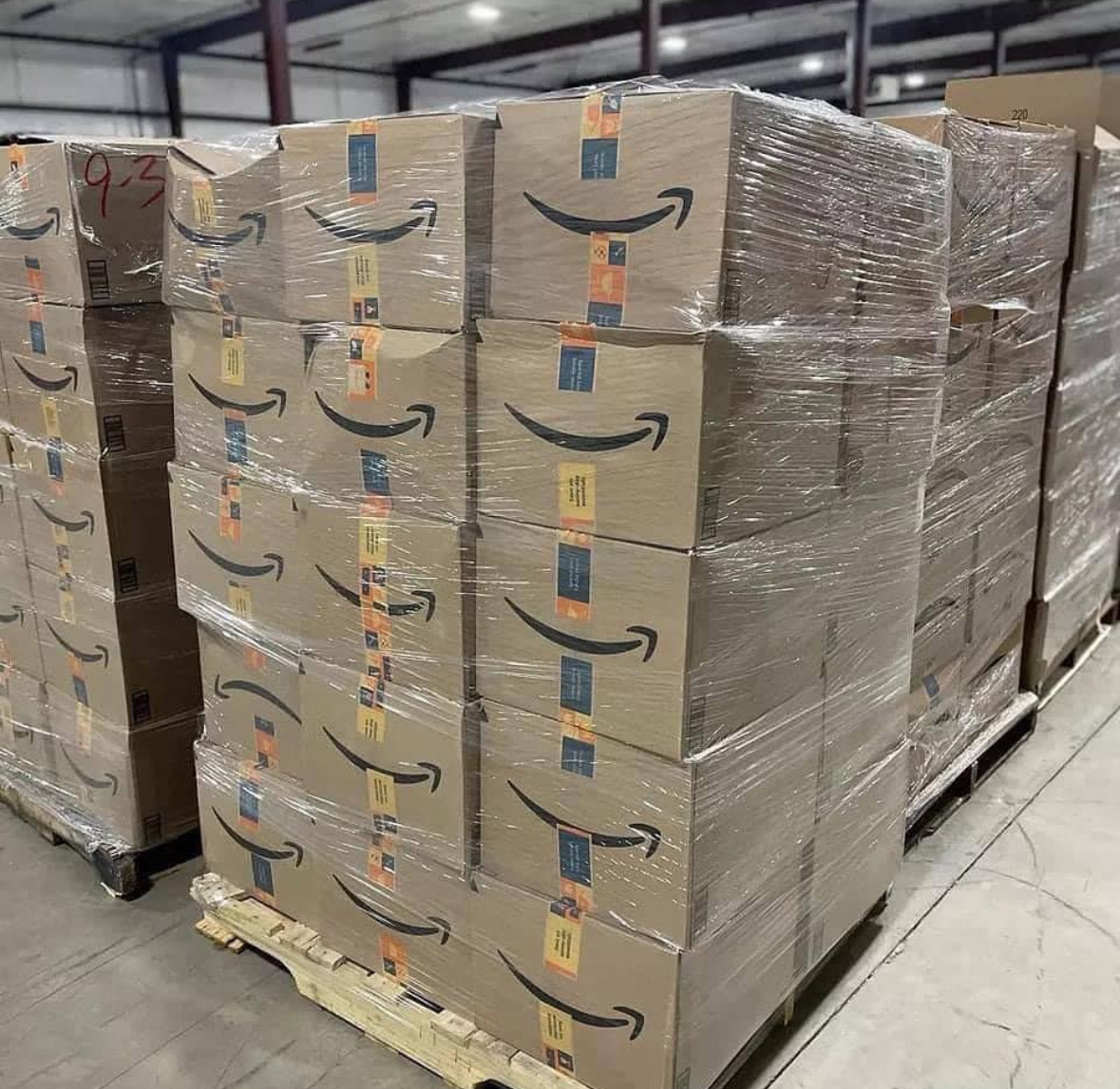
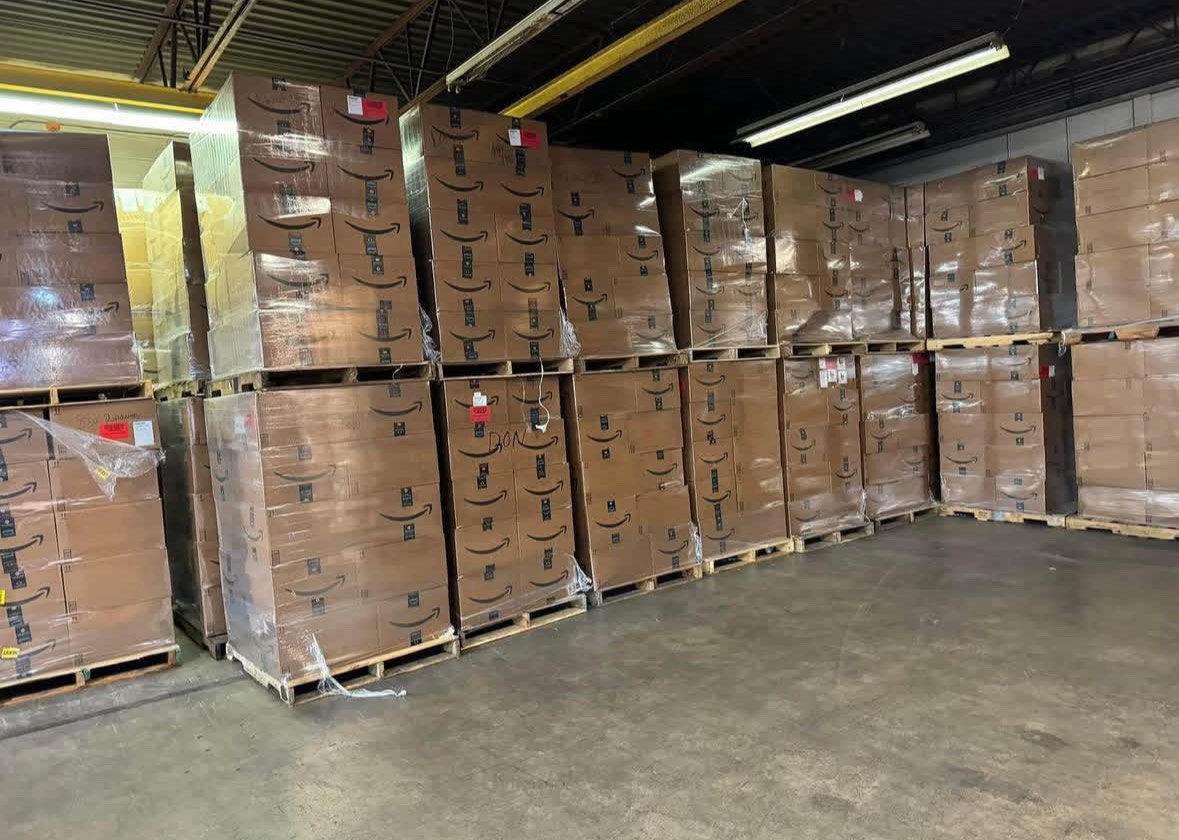
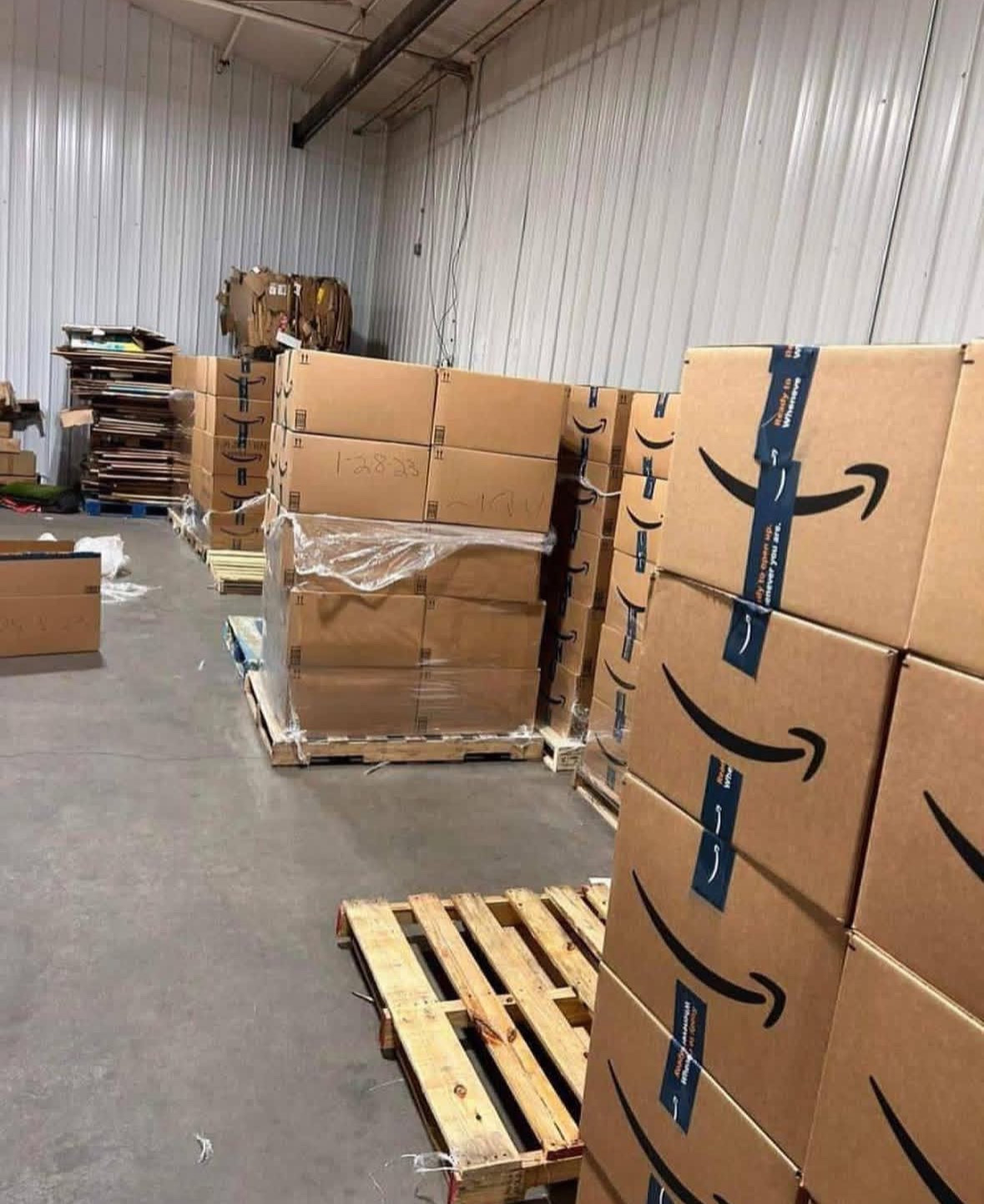
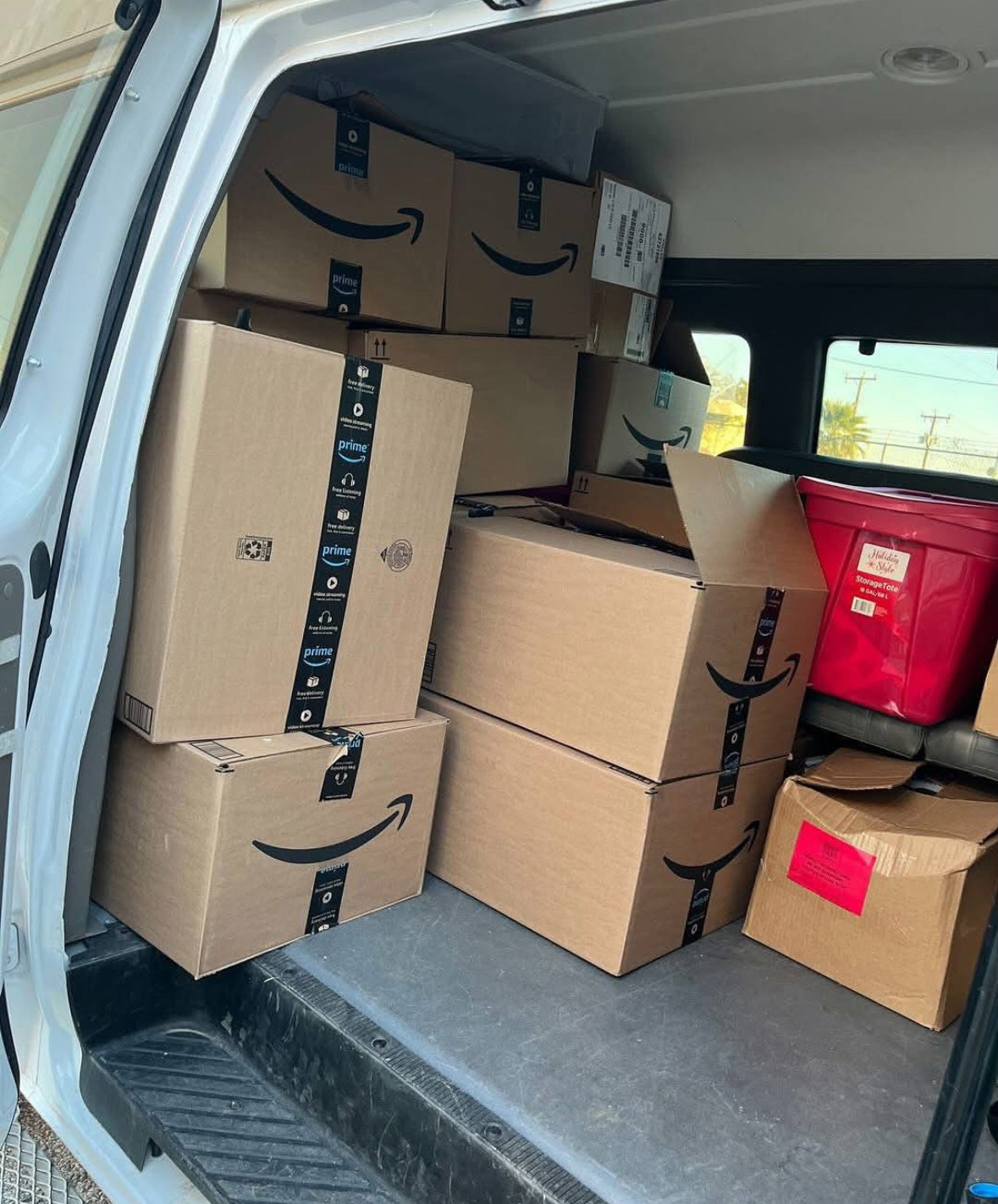
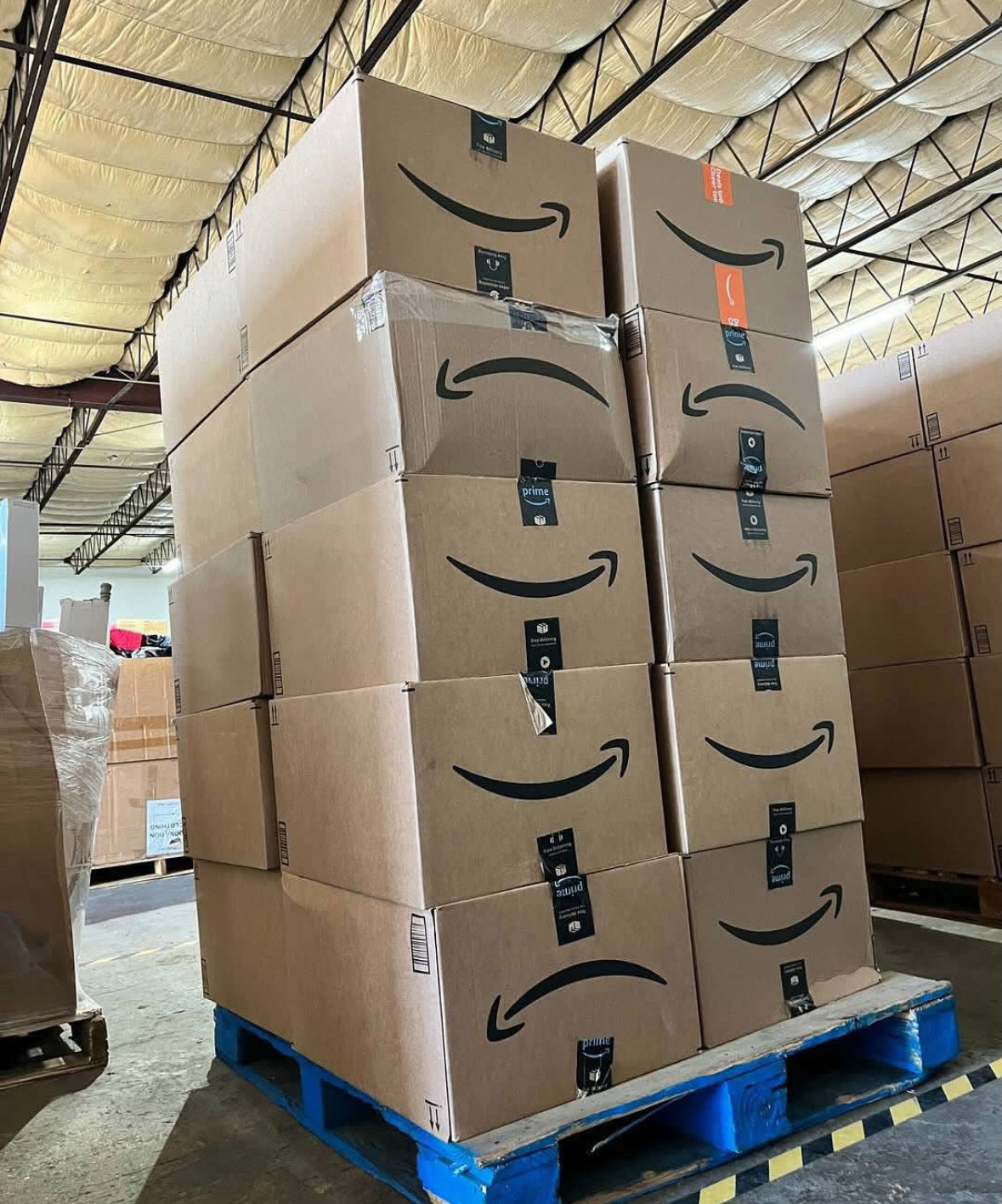
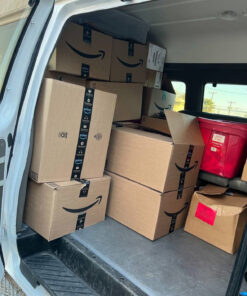
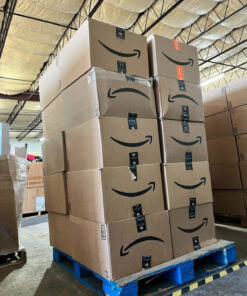
Buy Amazon Mystery Box Pallet (50+ Assorted Items From $200)


$200.18
amazon mystery box pallet
Current Price: From $200
Status: In Stock – Limited Quantity
Seller: Verified Amazon Overstock Liquidator
Source: Amazon Overstock, Returns & Shelf Pulls
Condition: Mixed – 70% Brand New, 20% Like-New, 10% Customer Returns
Items per Pallet: 50+ (Electronics, Apparel, Home, Toys & Beauty)
Estimated Retail Value: Up to $1,200+
Return Policy: Final Sale – Buyer Protection Available
Packaging: Sealed Mystery Boxes (Freight Wrapped)
Shipping Area: Fast Freight Delivery Worldwide (2–3 Business Days)
Key Takeaways
Before you buy, understand these critical points. This is the professional approach to sourcing Amazon returns.
- “Mystery Box” vs. “Uninspected Returns”: The viral “Amazon Mystery Box Pallet” is a marketing term. The real product professionals buy is “Amazon Uninspected Returns.” These are authentic goods sourced directly from the retail giant’s reverse logistics chain.
- Scams Are Real: Many “mystery box” sites are third-party sellers repackaging worthless junk or are simply scams. Always buy from a verified, established liquidator with a physical warehouse and direct sourcing contracts.
- Price Isn’t Everything: The cost of a pallet is just the beginning. You must factor in freight costs, storage, labor to sort, and marketplace fees. The cheapest pallet is often the most expensive lesson.
- Strategy Beats Luck: Profitability comes from a plan, not a gamble. Successful resellers understand their category, know their shipping costs, and track their profit on every lot.
- Freight Is a Key Cost: Local pickup from a warehouse is the best way to save money. If shipping, you must get a detailed freight quote before you buy.
Stop chasing mystery and start building profit. View Direct Wholesale Liquidation’s current inventory of vetted Amazon return pallets and see the difference strategic sourcing makes.
Amazon Mystery Box Pallet
The term Amazon Mystery Box Pallet has exploded thanks to social media. It describes a pallet of unknown goods, typically customer returns, that Amazon has liquidated. Resellers buy them “blind” hoping the value of the items inside far exceeds the pallet’s cost.
The allure is undeniable. These pallets often contain a mix of categories, including electronics, home goods, apparel, and toys. The “treasure hunt” aspect is a powerful driver, but for a business, that gamble is a liability.
At Direct Wholesale Liquidation, the real “mystery box” is our inventory of Uninspected Amazon Returns. It’s the same potential for high-value items, but sourced directly and processed professionally. You get the thrill of discovery backed by a transparent, trusted supplier. [Shop our available Amazon lots here.]
Are Amazon Mystery Boxes A Scam?
Many of them are. It is critical to differentiate between a “scam” and a “bad purchase.” A bad purchase is a pallet of low-value, damaged goods. A scam is when a seller takes your money and sends nothing, or grossly misrepresents a repackaged box of literal trash.
Scams thrive on the “mystery” element. They use unrealistic profit promises and stock photos to lure buyers. The Federal Trade Commission (FTC) warns consumers about the risks of online shopping scams that promise high-value goods for low prices.
A legitimate liquidator will be transparent about their business. They will have a physical warehouse, a real customer service team, and a history you can verify. They describe their pallets by their condition (e.g., “Uninspected Returns”), not just with a fantasy “mystery” label.
Before you buy from a new site, you must perform due diligence. We’ve outlined the most common red flags versus the signals of a legitimate, professional liquidation partner.
Table 1: Scam Signals vs. Legitimate Liquidator
| Scam Warning Signs | Signals of a Trusted Supplier |
| Vague descriptions like “Mega Value!” | Clear condition codes (Uninspected, New, etc.) |
| Uses stock photos, not actual lot photos | Provides real photos or videos of the lot/pallet |
| No physical address or phone number | Verifiable U.S. warehouse address and phone |
| Unrealistic promises (“Guaranteed PS5s!”) | Realistic descriptions of potential contents |
| Only accepts non-reversible payments (crypto, wire) | Accepts standard credit cards and business payments |
Always trust your gut. If a deal seems too good to be true, it is.
Does Amazon Sell Mystery Pallets?
No. Amazon does not sell “mystery pallets” directly to the public.
Amazon’s primary business is selling new goods. When items are returned, their reverse logistics system processes them. Some are restocked, but millions of items are liquidated. Amazon bundles these returns into pallets and truckloads and sells them to a network of authorized, large-scale liquidation partners.
Direct Wholesale Liquidation is one of the companies that participates in this secondary market. We source these pallets and truckloads directly from Amazon’s distribution centers. We then sell them to other businesses and resellers.
You are not buying from Amazon. You are buying Amazon returns from a professional B2B liquidator. This distinction is the most important factor in sourcing safely.
How Much Does It Cost To Buy An Amazon Return Pallet?
Prices for Amazon return pallets vary dramatically based on four key factors: size, category, condition, and freight.
A single “small” mystery box might cost $50. A full pallet can range from $400 to over $2,500. A full 26-pallet truckload can cost $10,000 to $50,000 or more. High-value categories like electronics or tools will always cost more than general merchandise or apparel.
But the sticker price is just the beginning. The single biggest hidden cost is freight. A $500 pallet can easily cost another $400 to ship across the country.
This table breaks down the typical cost structures you will encounter. Use this to budget for your total cost of goods, not just the purchase price.
Table 2: Typical Amazon Return Lot Pricing Tiers
| Lot Size | Typical Price Range | Best For | Key Consideration |
| Single Box | $50 – $150 | Hobbyists, beginners | Lowest risk, but lowest profit. Often repackaged. |
| Single Pallet (LTL) | $400 – $2,500 | Small businesses, experienced resellers | Good entry point. Freight is the key cost variable. |
| Multi-Pallet Lot (LTL) | $2,000 – $10,000 | Established resellers | Better cost-per-unit. Must have storage and cash flow. |
| Full Truckload (FTL) | $10,000 – $50,000+ | Wholesalers, large operations | Lowest cost-per-unit. Requires a loading dock and staff. |
To get an accurate total cost, always request a freight quote before you finalize your purchase.
Things To Check Before Buying An Amazon Return Pallet?
Strategy is what separates profit from loss. Before you click “buy,” you must have a plan. This simple checklist ensures you are prepared for the inventory before it arrives.
Running a business requires managing inventory effectively. The Small Business Administration (SBA) highlights inventory management as a key to success, and that starts with smart purchasing.
Use this checklist to create your own purchasing plan.
Table 3: Buyer’s Due Diligence Checklist
| Checkpoint | Question to Ask Yourself | Why It Matters |
| Budget | What is my total “all-in” cost (pallet + freight + fees)? | Prevents overspending and ensures you have capital left for operations. |
| Storage | Where will I physically store a 4-foot by 4-foot pallet? | You need a dry, secure space (like a garage or storage unit) immediately. |
| Labor | Do I have the time and physical ability to sort this? | A pallet can have hundreds of items and take 8+ hours to process. |
| Resale Platform | Where will I sell these items? (eBay, flea market, Poshmark) | Different platforms are better for different items. This dictates your potential profit. |
| Logistics | How will I receive the pallet? (Do I need a liftgate?) | Freight trucks cannot deliver to all residential areas. Plan delivery first. |
Evaluating The Condition Of Amazon Warehouse Return Pallets
Understanding the condition of a pallet is the most important part of buying. In the liquidation world, “Uninspected Returns” is the most common grade for Amazon lots.
This means the items are exactly as they were returned by the customer. They have not been tested or sorted by us or by Amazon. An uninspected pallet will be a mix of conditions: some new, some used, some damaged, and some missing parts. This mix is the “mystery” and also the opportunity.
This table explains the common grades you will see on liquidation sites.
Table 4: Liquidation Condition Grades Explained
| Condition Grade | What It Means | Expected Outcome |
| New / Overstock | Brand new, in-box, never sold to a customer. | Highest value and easiest to sell. Lowest risk. |
| Like New | May be an open box or a pristine customer return. | High value. May need repackaging. |
| Uninspected Returns | The true Amazon mystery box. A mix of all conditions. | This is the gamble. You expect a percentage to be damaged or unsellable. |
| Salvage / Damaged | Sold for parts or scrap. Not for resale as working items. | Lowest cost. Only for experts in repair or parts harvesting. |
When you buy an Uninspected Returns pallet, you are betting that the value of the good items will outweigh the cost of the damaged ones.
Are Mystery Boxes Worth The Money?
If you are buying a generic “mystery box” from an unknown website, the answer is almost certainly no. You are likely buying someone else’s curated junk.
However, is buying an Amazon Uninspected Return Pallet from a trusted liquidator worth the money? Yes, if you treat it like a business.
It is not a “get rich quick” scheme. It is an inventory acquisition model. It provides you with products at a very low cost of goods. Your job is to process, test, clean, and list those items to capture their full retail value.
It is “worth it” for resellers who have storage, time, and a strategy. It is not worth it for anyone looking for a quick, easy flip. Check our inventory of manifested and uninspected lots to see the potential for yourself.
What Are The Risks Of Buying Mystery Boxes?
The risks are emotional, financial, and practical. The “mystery” is exciting, but the reality can be overwhelming if you are not prepared.
You will receive broken items. You will get items you cannot identify. You will have to throw some of the pallet away. This is a standard part of the business. The key is to manage these risks.
Here are the top risks and how to manage them.
Table 5: Breakdown of Business Risks and Mitigation
| Risk Type | The Problem | How to Manage It |
| Financial Risk | You buy a pallet and 70% of it is damaged. You lose money. | Start small (one pallet). Never spend money you cannot afford to lose. |
| Practical Risk | A 6-foot-tall pallet of furniture arrives and you have nowhere to put it. | Pre-plan your storage. Measure your space. |
| Freight Risk | The shipping costs more than the pallet itself. | Get a freight quote first. Always factor in shipping as partt of your COGS. |
| Emotional Risk | You get frustrated by the “junk” and quit. | Set realistic expectations. Understand this is a numbers game. |
Where To Find Amazon Pallets For Sale?
You find Amazon pallets for sale from two main sources: auction platforms and direct B2B liquidators.
Auction sites can offer good deals, but they are highly competitive. You are bidding against other resellers, which can drive up prices. You also run the risk of bidding on lots from unvetted third-party sellers.
Direct B2B liquidators, like Direct Wholesale Liquidation, are often a safer, more stable source. We have direct contracts with retailers and offer a fixed, wholesale price. This allows you to plan your margins without the stress of an auction.
When vetting a seller, look for transparency. Do they show you videos of their warehouse? Do they explain their sourcing? Do they answer the phone? A trusted partner is the foundation of a successful resale business.
Broaden The Net With Multi-Retailer Exchanges
While Amazon pallets are popular, do not overlook pallets from other major retailers like Target, Walmart, or Home Depot.
Diversifying your inventory is smart. By sourcing from different retailers, you can specialize in different niches, like tools or home goods. Many liquidators offer these mixed lots, giving you a wider variety of products to sell.
The advantage of a mixed-retailer lot is category focus. If you are an expert in tools, a Home Depot pallet is a better fit than a random Amazon General Merchandise pallet.
Check our current inventory to see lots from Amazon and other top-tier retailers.
What Is The Amazon Return Pallet Program?
The “Amazon Return Pallet Program” is not a single official entity. It is the general term for Amazon’s reverse logistics and liquidation process.
Amazon has several ways of handling returns. Some items go to Amazon Warehouse for resale on their site. Other items are sold through their own auction platform.
But the vast majority of items are sold by the truckload to large-scale liquidators. These partners, like us, act as the bridge between the massive scale of Amazon’s returns and the small businesses that resell the products.
How Do Amazon Warehouse Returns End Up In Pallets?
The journey is simple.
- A customer returns an item to Amazon.
- It arrives at a return center.
- A worker inspects it. If it is not pristine, it cannot be resold as “new.”
- Instead of taking up valuable warehouse space, the item is tagged for liquidation.
- This item, along with thousands of others, is stacked on a pallet.
- Amazon sells this pallet to a liquidator.
This process is driven by simple economics. It is cheaper for Amazon to liquidate the item than to pay for the labor to inspect, test, and restock it. Recent data on reverse logistics shows that processing a return can cost a retailer up to 66% of the item’s original price. Liquidation is the fastest, most cost-effective solution.
How To Source Return Pallets Strategically?
Amateurs buy mystery boxes. Professionals source strategically.
Strategic sourcing means moving beyond “what looks good” and using data to make purchasing decisions.
- Source by Category: If you are an expert in fashion, buy apparel pallets. You will be faster at sorting, know the brands, and write better listings.
- Source by Season: Buy patio furniture pallets in the spring. Buy toy pallets in the fall (before the holidays). Timing your purchase can dramatically increase your sell-through rate.
- Source by Freight Cost: Your biggest win is often in shipping. Find a liquidator you can drive to for local pickup. This is the number one way to maximize your profit margin.
Talk to our team about your business goals. We can help you build a strategic sourcing plan that matches your expertise and your budget.
Match The Pallet To Your Operational Capability
Do not buy a truckload of furniture if you live in a one-bedroom apartment.
This sounds obvious, but it is the most common mistake new buyers make. You must be brutally honest about your operational capability.
- Space: A single pallet is 48×40 inches and up to 6 feet tall. A truckload is 24 to 26 pallets.
- Tools: Do you have a pallet jack? A box cutter? Shelving?
- Time: How many hours a week can you dedicate to sorting, cleaning, testing, and listing?
- Freight: Do you have a commercial address with a loading dock? If not, you must order a liftgate service, which costs extra.
Start with one pallet. Prove your process, then scale.
Using Data To Evaluate Amazon Mystery Box Profitability
You cannot manage what you do not measure. Even with “mystery” pallets, you must track your numbers.
The best resellers use a simple spreadsheet to track profitability on every pallet. It is the only way to know if you are actually making money. Tracking your Cost of Goods Sold (COGS) is a fundamental business practice.
Your spreadsheet should include:
- Pallet Cost: The price you paid.
- Freight Cost: The shipping charge.
- Total COGS: Pallet + Freight.
- Total Sales: The final sale price for every item from the pallet.
- Marketplace Fees: (e.g., eBay’s 12.9% fee).
- Shipping Supplies: (Boxes, tape, labels).
- Net Profit: (Total Sales – Total COGS – Fees – Supplies).
After you sell everything, you can calculate your true ROI. This data tells you which pallet categories are most profitable for you.
Map Out Local Warehouses Before You Buy Online
The single best way to save money in liquidation is to avoid freight costs.
Shipping a 700lb pallet across the country is expensive. Driving 30 minutes to a local warehouse and loading the pallet into your own truck is free. This is an instant 20-50% boost to your profit margin.
Before you buy anything online, search for “liquidation warehouses near me.” Visit them. Talk to the owners. Building a relationship with a local supplier, like Direct Wholesale Liquidation, is the most powerful and profitable strategy in this business.
Even if you are not local, we can arrange cost-effective LTL or FTL freight. Request a custom freight quote to see how affordable we can make logistics.
Why Are Return Pallets Popular Among Resellers?
Return pallets are popular because they offer a clear path to profit for entrepreneurs.
The appeal is simple. Resellers are experts at “arbitrage.” They find items at a low price and sell them at a higher price. Return pallets offer the lowest possible cost of goods.
A reseller can buy a $100 item in an uninspected pallet for an average cost of $10. Even if they sell it “used” for $50, their profit margin is massive.
This model is the foundation of the entire secondhand market. It gives small business owners the inventory they need to compete. It is flexible, scalable, and, when done right, very profitable.
My Experience Buying An Amazon Mystery Box
We hear stories from our customers every day. The best ones all start with a smart, strategic purchase.
One of our clients, a small eBay seller, started by buying a single $600 General Merchandise pallet. It was a mix of home goods, toys, and a few electronics.
After sorting, about 20% of the pallet was damaged or unsellable (a very good ratio). But the rest of the items were listed and sold over two months. The total sales from that one pallet were just over $2,100.
After fees and the initial cost, their net profit was over $1,200.
This story is not a guarantee. It is an example of what is possible when you buy from a trusted source, manage your costs, and do the work.
Final Thoughts: Is It Profitable To Resell Items From Amazon Return Pallets?
Yes, it is highly profitable if you stop looking for a “mystery box” and start building a liquidation business.
Profit is not found in the gamble. It is created through process.
It is created by buying from a direct, verified supplier. It is created by managing your freight and storage costs. And it is created by methodically sorting, testing, and listing your items to capture their true market value.
If you are ready to stop gambling and start building a real, profitable resale business, we are here to help.
Frequently Asked Questions About Amazon Mystery Box Pallet
Are Amazon Mystery Box Pallets Worth The Money?
As a business, no. Generic “mystery boxes” are often scams or repackaged junk. However, Amazon Uninspected Return Pallets from a verified liquidator are worth the money. They are a legitimate inventory source for resellers who understand the risks and have a plan to process and sell the items.
How Do You Avoid Getting Scammed When Buying Amazon Mystery Boxes?
Avoid any site that only uses the term “mystery box.” Look for professional liquidators that use industry terms like “Uninspected Returns” or “Salvage.” Always vet the seller. Look for a physical U.S. warehouse, a real phone number, and a history of B2B sales. If a deal seems too good to be true, it is. Always buy from a trusted, direct supplier.
6 reviews for Buy Amazon Mystery Box Pallet (50+ Assorted Items From $200)
Add a review
Related products

Liquidation Pallets
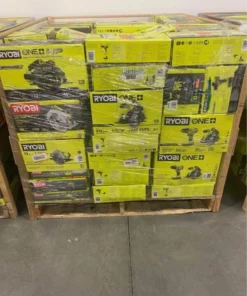
Liquidation Pallets


Clothing Pallets


Liquidation Pallets


Liquidation Pallets
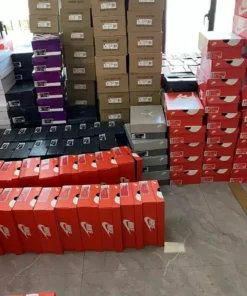

Liquidation Pallets


Dewalt Pallets
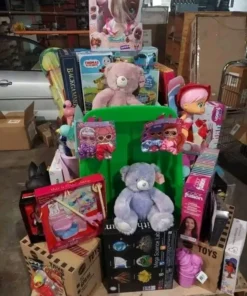
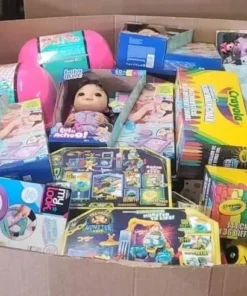
Liquidation Pallets
Daniel R. –
Bought this as a test pallet and was pleasantly surprised. Sorting took time, but resale value easily covered the cost.
Melissa T. –
Solid mix of items. A few returns needed cleaning, but overall margin was strong once listed online.
Kevin L. –
This pallet worked well for my eBay store. Electronics were mixed but nothing unusable.
Angela M. –
Good experience overall. Freight arrived on time and packaging was intact.
Robert J. –
I liked the variety. Some items sold fast, others took longer, but ROI was there.
Samantha P. –
As a reseller, this fit my workflow perfectly. Nothing felt misleading.