
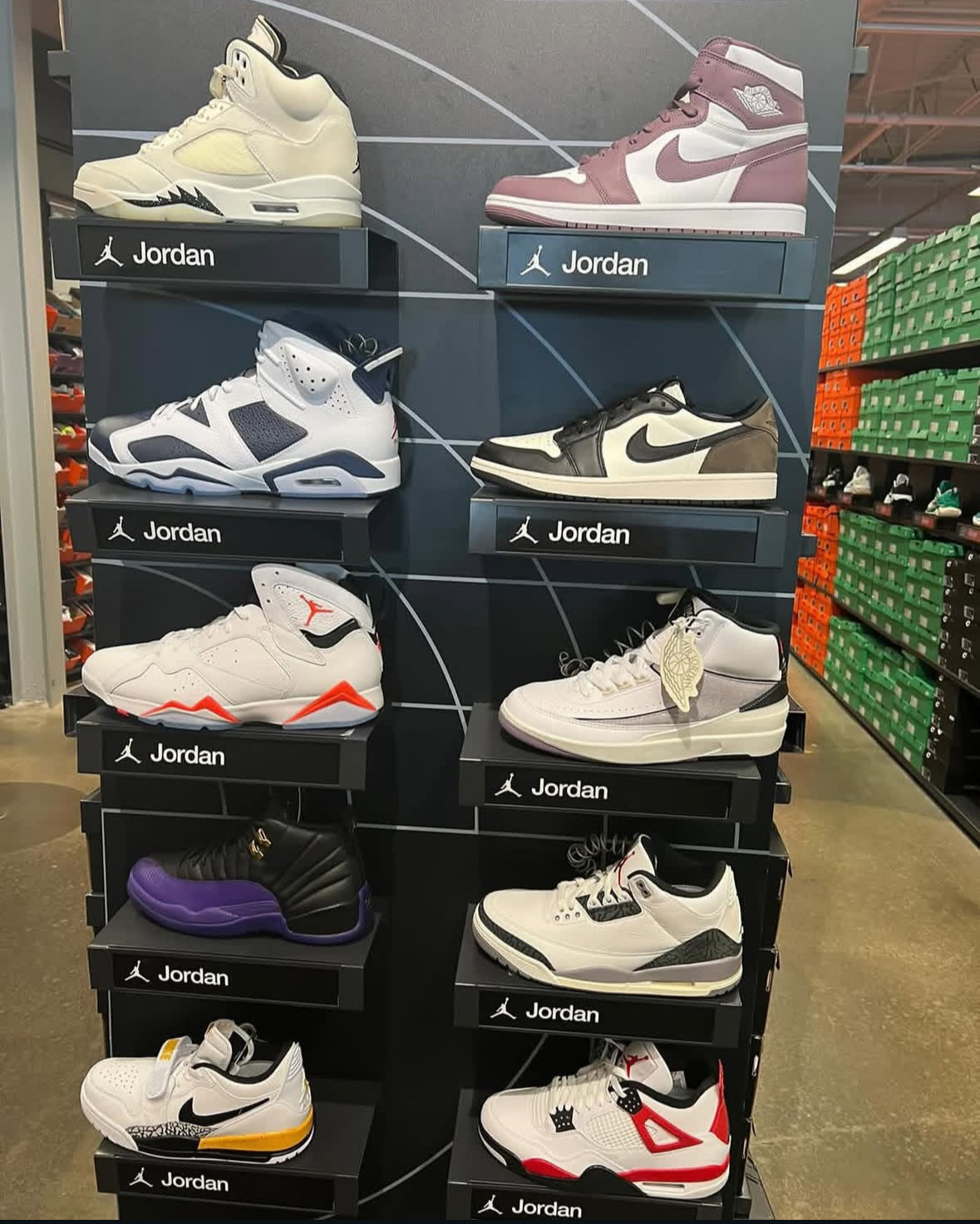
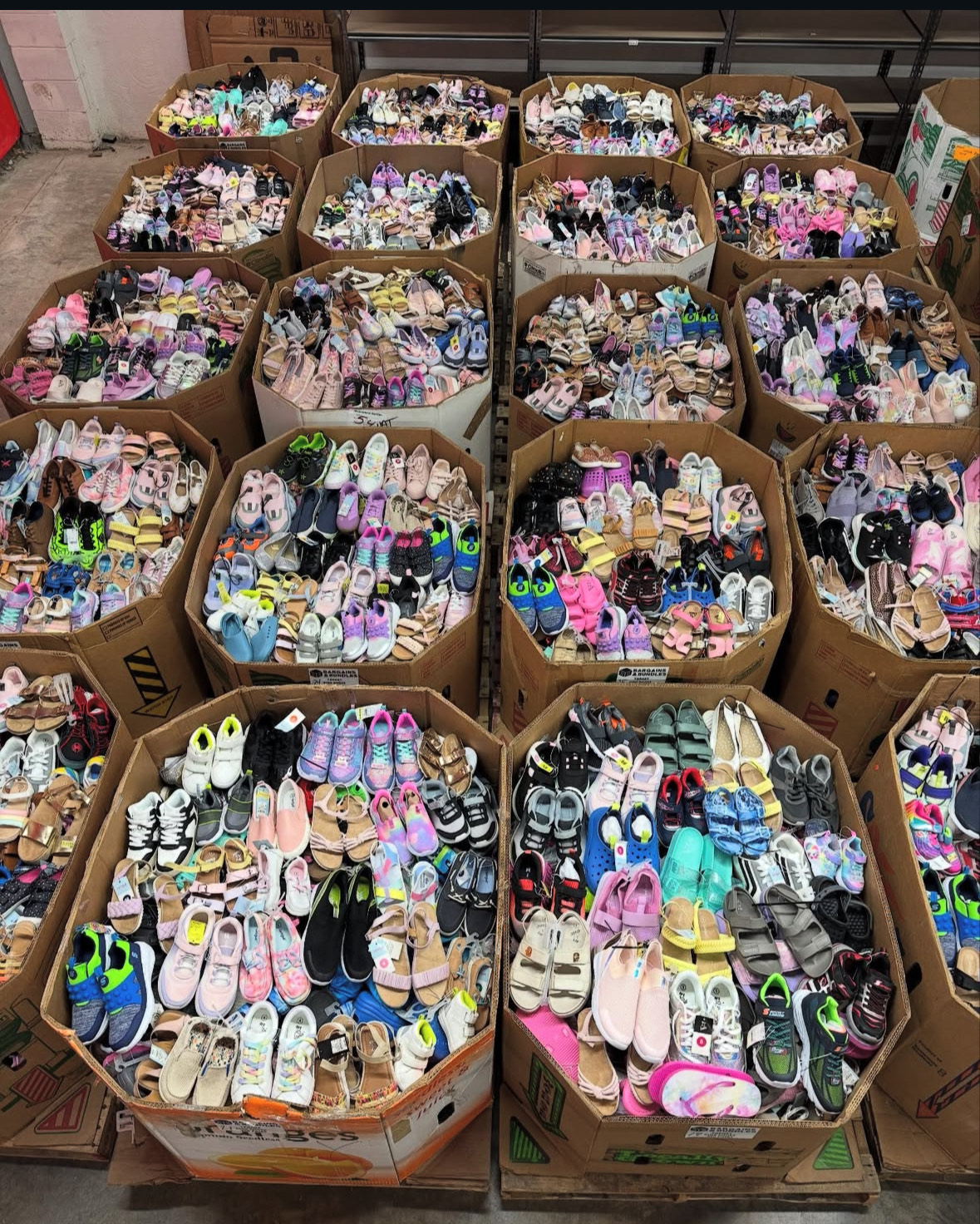
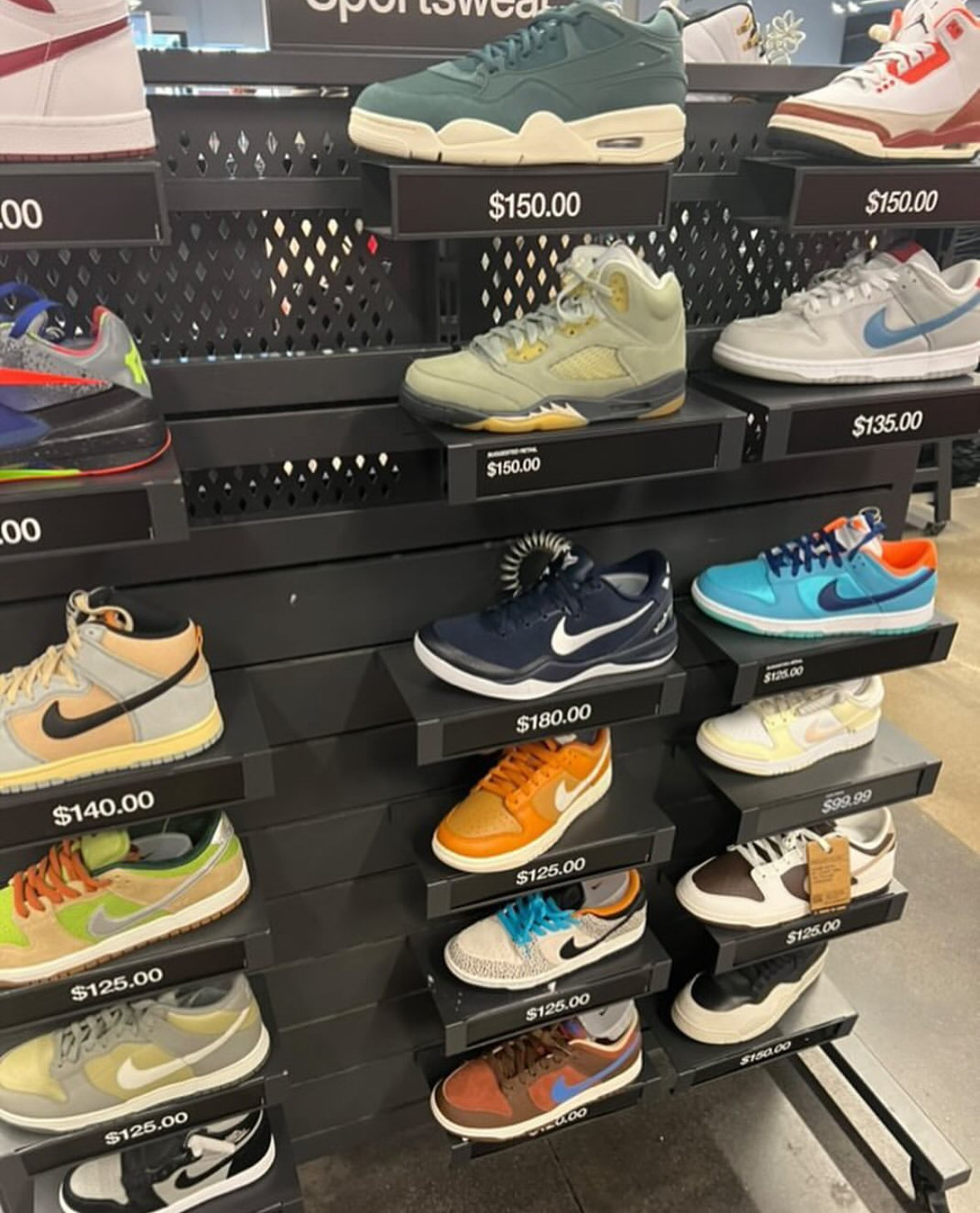
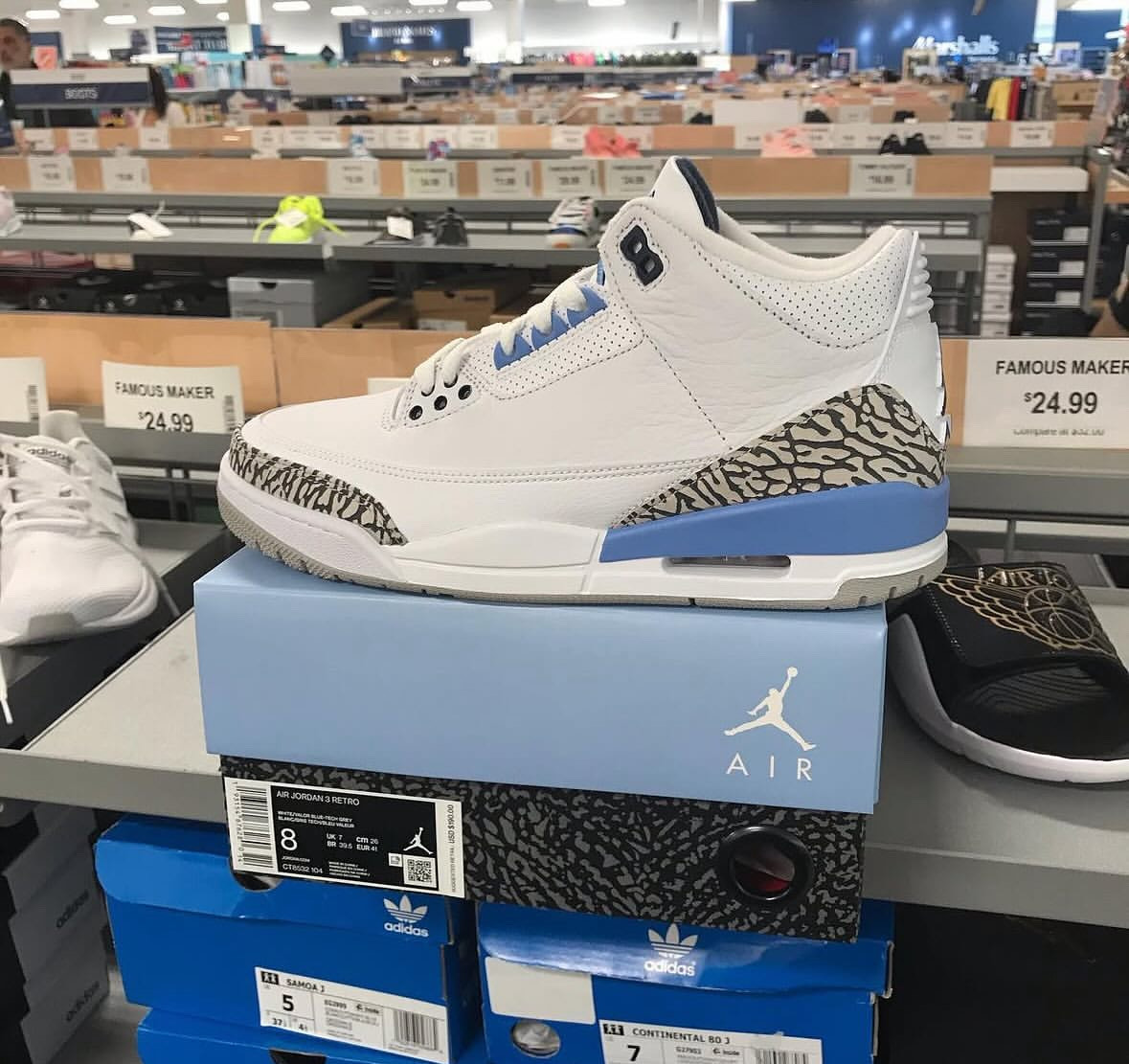
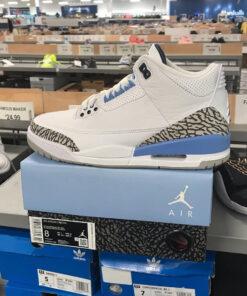
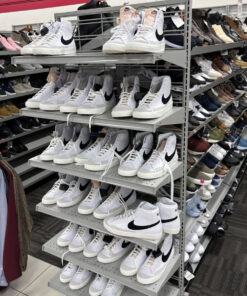
Buy Jordan Liquidation Pallets ( 40-50 pairs-$600)


$600.27
Jordan Liquidation Pallets
Current Price: From ~$600 (approx.)
Status: In Stock – Limited Availability
Seller: Verified Jordan Overstock Liquidators
Source: Authentic Jordan overstock, returns, shelf-pulls, clearance stock
Condition: Mixed – Typically 60% brand-new/like-new, 30% light wear/returns, 10% resale-ready mixed condition
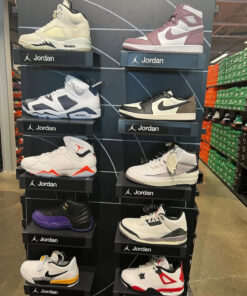
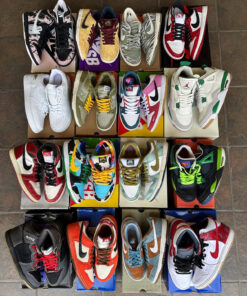
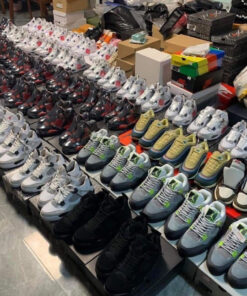
Colors & Models: Mixed – trending & classic drops (e.g., Air Jordan 1, 4, 6, 11) in assorted sizes and colourways
Items per Pallet: From ~40-50 pairs to 80+ pairs depending on supplier
Distribution Agreement Required: Varies by seller; some require business resale license, others do not
Shipping Area: United States and International (subject to freight terms)
What You Need to Know Before You Buy:
-
Authentication Matters: Counterfeit Jordans are common in liquidation lots—check brand tags, packaging, release dates, and source supplier credibility.
-
Pallet Condition & Mix: While many pairs are brand new, expect some with minor wear or incomplete packaging (inventory mix affects price & resale).
-
Resale Strategy: These pallets are aimed at resellers—top models and popular sizes move fast. Know your market (online marketplaces, local sales) and pricing strategy.
-
Shipping & Costs: Freight shipping may add cost, especially for large pallets—factor in shipping, duties, and handling when calculating margins.
-
Procurement Requirements: Some sellers require business documentation (resale certificate/licence) and may limit international buyers.
Detailed Breakdown by Model Type
Air Jordan Retro (Approx. 18–22 Pairs)
Sizes: Men’s 7–14
Note: Commonly includes Retro 1, Retro 4, Retro 6, Retro 11 and Retro 13. High collector demand and fast turnover.
Jordan Mid and Low Styles (Approx. 10–14 Pairs)
Sizes: Men’s 7–14
Note: Often includes Jordan 1 Mid, Jordan 1 Low and lifestyle colorways popular for everyday wear.
Jordan Performance Models (Approx. 6–8 Pairs)
Sizes: Men’s 8–13
Note: Includes basketball-focused models like Jordan Zoom, Why Not and Luka series.
Jordan Lifestyle and Specialty Releases (Approx. 4–6 Pairs)
Sizes: Mixed
Note: May include SE editions, seasonal colorways or collaboration styles with elevated resale potential.
Example Distribution Manifest (Total: 45 Pairs)
High-Demand Retros (20 Pairs)
Air Jordan 1 Retro: 8 pairs
Air Jordan 4 Retro: 5 pairs
Air Jordan 11 Retro: 4 pairs
Air Jordan 6 or 13 Retro: 3 pairs
Mid and Low Styles (13 Pairs)
Jordan 1 Mid: 7 pairs
Jordan 1 Low: 6 pairs
Performance Models (7 Pairs)
Jordan Zoom or Why Not: 4 pairs
Jordan Luka Series: 3 pairs
Lifestyle and Special Editions (5 Pairs)
Jordan SE or seasonal drops: 5 pairs
Why Buy Jordan Liquidation Pallets
• Strong resale demand year-round
• Trusted brand with global recognition
• Ideal margins for eBay, StockX, GOAT and local resale shops
• Mixed sizes allow broad customer reach
• Authentic inventory sourced from verified channels
Key Takeaways
- Profit & Risk Control: Use manifested inventory and focus on Grade A/B stock to maximize margins while minimizing refurbishment time and risk.
- Logistics is Cash Flow: Prioritize local pickup or short-distance freight to save substantially on shipping costs, directly boosting your profit.
- Verification First: Never skip the process of vetting your supplier and verifying the authenticity of the product—it is the bedrock of your resale reputation.
- Market Mastery: Understand the demand nuances of models like the Jordan 1 and strategically bundle/price older SKUs to maintain a high-velocity cash flow.
- Your Next Move: The best Jordan liquidation pallets sell in hours, not days. Waiting costs you profit.
Ready to secure high-demand Jordan inventory that will move fast and build your capital?
Contact our sales desk now to Request a Quote on a Manifested Jordan Pallet and Check Availability.
What Are Jordan Liquidation Pallets?
Jordan Liquidation Pallets represent surplus, overstock, or customer-returned footwear from major retailers, distributors, or the brand itself. These lots are distinct from standard wholesale because they are typically sold at a significant discount to MSRP or traditional wholesale cost, reflecting their “unwanted” status in the retail supply chain. This is where your profit margin is built.
These pallets exist due to several common retail realities: seasonal changes, retailer minimum order quantities (MOQs) that exceed sales forecasts, or high volumes of customer returns that are too time-consuming for the original retailer to process. They often contain a mix of models, sizes, and conditions. The best pallets for resale are those sourced directly from major US retailers, offering a higher probability of Grade A (new) stock and verifiable manifests.
These specific lots are best suited for experienced resellers with $3,000+ in working capital who have established online or physical channels to quickly move mid-to-high-end sneakers.
Wholesale Jordan Shoes?
While liquidation involves deeply discounted, bulk surplus, wholesale is the standard B2B transaction of new, first-run goods, typically sold at a fixed percentage off the retail price. In the footwear industry, the difference is critical to your cash flow and risk profile.
Wholesale deals typically require higher order minimums, adherence to Minimum Advertised Price (MAP) policies, and extensive documentation like proof-of-business, tax ID, and retail channel approval. You receive pristine stock, but your purchase price is much higher, demanding a faster sell-through rate just to break even. Liquidation, conversely, provides a lower-cost entry point with higher potential ROI, trading a lower purchase price for the slight risk of dealing with mixed conditions.
| Key Differences: Liquidation vs. Wholesale |
| Liquidation Pallets |
| Deep discount (5% – 25% of MSRP) |
| Sold “As-Is”; few to no returns |
| Mixed condition (New, Returns, Salvage) |
| Low MOQs available |
| Focus: High ROI, High Velocity |
Jordan Wholesale Distributors?
Wholesale distribution for major brands like Jordan is tightly controlled. Authorized Distributors operate under strict territory limits, allocation rules, and long-term contracts. They receive stock directly from the brand and supply approved retail accounts. Accessing this primary supply chain is extremely difficult for small-to-mid-sized resellers.
This difficulty is precisely why liquidation becomes your strategic advantage. A reputable liquidation vendor—one who sources directly from major retailers or reverse logistics companies—provides the secondary market access to authentic product that the primary distribution channels lock you out of. Focus your energy on verifying your liquidation vendor, not on the nearly impenetrable official distribution network.
Verified Jordan Shoes Vendors?
When sourcing high-value inventory like Jordan footwear, vendor verification is not optional—it’s foundational to your business. A reliable vendor will not hide their sourcing or condition guarantees. Before committing to a large purchase, follow this simple checklist to mitigate your risk:
- Verification Checklist for Liquidation Vendors:
- Confirm they accept secure B2B payments (e.g., wire transfer, credit card with a fee).
- Request a physical location or warehouse tour (virtual if remote).
- Verify their connection to major retailers (often via manifest paperwork).
- Check their longevity in the liquidation market and online reviews.
A smart strategy is to place a sample order—a small, mixed-pallet lot—to test the vendor’s accuracy, shipping speed, and the actual quality of the product you receive versus what was promised. If the vendor’s promise holds up on a small lot, you can trust them with a full truckload.
Jordan Shoes Liquidation Pallets For Sale Buy Bulk Sneakers Near Me? (H2)
The most effective way to protect your profit margin is by mastering freight logistics. When you search for Jordan Liquidation Pallets For Sale Buy Bulk Sneakers Near Me, you are prioritizing the elimination of expensive long-haul shipping costs and accessorial charges (lift gate, residential delivery, etc.).
Locating local or regional sellers significantly cuts down on both cost and transit risk, ensuring your cash flow is not tied up waiting for a cross-country delivery.
| Pickup vs. Freight Delivery: Cost & Risk Comparison |
| Self-Pickup (Nearby Vendor) |
| Cost: Lowest (Fuel/Time only) |
| Risk: Lowest (You inspect at the dock) |
| Speed: Same-day possible |
| Best for Immediate Resale & Small Businesses |
Selling Point: We frequently release pallets specifically for local collection. Call For Nearby Pallet Pickup Windows And Same-Day Deals to get immediate access to inventory that has not yet been listed online.
Why Are Jordan Shoes Pallets Popular?
The popularity of Jordan footwear is rooted in unparalleled brand equity that transcends simple fashion—it’s cultural currency. Since the mid-1980s, the brand has maintained steady demand, turning even general-release models into reliable resale items and limited editions into high-value collector pieces.
This equity provides a major advantage in liquidation: your inventory is largely protected from total depreciation. Even if a style has cooled off, it retains a floor value that is higher than most other footwear brands. This cross-channel appeal—selling locally, on specialized sneaker platforms, or on global marketplaces—makes Jordan a low-risk, high-return asset for resellers.
How Massive Is The Profit Potential?
The profit potential within Jordan liquidation is substantial, especially when you master the model mix. A single pallet can easily generate 3x to 5x your initial investment, provided you properly grade and price the stock.
For example, finding a handful of highly-coveted models (the “hit models”) in a pallet can generate enough revenue to cover the entire cost of the lot. The remaining stock—the slower movers—then become pure profit. This balanced risk strategy allows for high margins while protecting you from holding unsellable stock.
How To Check The Condition Of Jordan Shoes Pallets?
In the liquidation industry, condition is king. When buying bulk sneakers, you must understand the grading scale used by reputable vendors, as it directly determines your necessary prep work and final selling price.
| Sneaker Liquidation Grading Standards (Example) |
| Grade A (New/NIB) |
| Grade B (Customer Returns) |
| Grade C (Refurbished/QC) |
| Grade D (Salvage/Parts) |
For Grade B and C stock, you must factor in prep time. This includes basic cleaning, replacing damaged or missing laces, and sourcing replacement boxes. Mastering this light refurbishment process drastically increases the sellable value of your stock, transitioning a Grade C item into a strong Grade B price point.
Risks And Challenges?
The lucrative nature of Jordan liquidation comes with specific, high-stakes risks that only expert buyers successfully navigate. The primary risks include:
- Authenticity Issues: The biggest threat to your business is purchasing counterfeit inventory. The market is saturated with high-quality fakes, making supplier trust paramount.
- Dead Sizes: Pallets may contain a disproportionate amount of highly small or extremely large sizes (e.g., US size 4 or 18) that move much slower than the prime size range (US 8-12).
- Damaged Boxes/Missing Lids: The box is essential for maximizing resale value. Pallets often suffer cosmetic damage during freight, leading to reduced value even on new footwear.
This risk profile can also lead to cash-flow strain if you cannot quickly move certain styles. If a hyped model suddenly cools off due to a major restock or a new release, your inventory velocity slows, tying up your capital.
How To Mitigate The Risk?
Transparency and due diligence are your best risk mitigation tools. Never buy a pallet that a vendor will not allow you to inspect, even remotely via a live video call.
- Inspection Protocols: Demand high-resolution photos or video of the actual lot you are buying, not just a sample. Have a third-party authentication specialist on retainer for spot checks of incoming inventory.
- Staggered Buys: Start by purchasing smaller, manifested lots from new suppliers to validate their claims before committing to a full truckload or an unmanifested lot. This validation step is essential for building a sustainable business.
We maintain trust by providing clear, detailed manifests and welcoming inspection for all buyers. Check our current manifested inventory list here.
Specialized Sneaker Platforms?
Resellers move Jordan inventory across numerous channels, but specialized sneaker platforms (e.g., StockX, GOAT, eBay Authenticity Guarantee) offer the highest-value exits because they solve the buyer’s core fear: authenticity.
These platforms charge platform fees, which can range from 8% to 20%, but the trade-off is often a faster sell-through time and a higher final sale price due to buyer confidence.
| Sales Channels Comparison |
| Channel |
| Specialized Sneaker Platforms |
| Social Media (IG/FB Groups) |
| eBay/General Marketplaces |
For liquidation inventory, use fixed-price listings for Grade A stock to maximize return, and use auction formats only for bulk lots of Grade C or mixed-size bundles to clear inventory rapidly.
How To Buy Jordan Shoes Pallets?
The most direct and reliable way to purchase Jordan Liquidation Pallets is through verified B2B liquidation marketplaces like Direct Wholesale Liquidation. These channels specialize in transparently listing assets and providing clear chain-of-custody documentation.
Geographic proximity heavily affects your total cost and speed to market. When buying locally, you avoid cross-country transport, saving hundreds or thousands in freight costs, reducing damage risk, and ensuring your product is available for sale faster. This proximity translates directly into a higher net profit per pallet.
Where To Find The Best Jordan Shoes Pallet Deals?
Timing and negotiation are the keys to unlocking better deals. Off-peak buying windows—like the end of a retail quarter or immediately following a major holiday surge—often lead to vendors clearing excess stock at better pricing to free up warehouse space.
- Pro-Tip: Negotiation Tactics
- Negotiate for add-ons (e.g., bundling a lower-value pallet for a token price).
- Sign up for deal alerts and be prepared to move capital instantly when a fresh lot drops.
- Target lots that have been listed for more than two weeks; sellers are more willing to negotiate on stagnant inventory.
Manifested Vs. Unmanifested?
This is the central risk-reward trade-off in liquidation. Manifested pallets are accompanied by a detailed list of every SKU, size, and condition grade, offering total predictability. Unmanifested lots (mystery pallets) are cheaper but carry high risk.
You can model revenue for a manifested pallet with high precision, knowing exactly what to expect. For unmanifested lots, you must apply a deep safety discount (e.g., assume 10% of the stock is unsellable) to protect your investment. We recommend new buyers always start with fully manifested inventory.
| Pallet Type: Price vs. Predictability |
| Manifested Pallets |
| Higher Cost Per Unit |
| Maximum Predictability |
| Easier to secure freight/insurance |
Tips For First-Time Jordan Pallet Buyers?
Entering the high-stakes world of sneaker liquidation requires a structured approach. Never buy without a plan.
- Set Your Budget: Never exceed $5,000 for your first pallet purchase. Plan for freight costs to be 10-15% of the inventory cost.
- Vetting is VITAL: Use the checklist above to qualify your supplier.
- Delivery Planning: Ensure your intake location (warehouse, storage unit, garage) can accommodate a pallet truck and that you have a pallet jack or loading dock access.
A smooth listing workflow is critical: Once the pallet arrives, you need to quickly log, photograph, and list the inventory. The faster it is online, the faster you get paid.
What To Do After You Receive Your Pallets?
Your first 48 hours after receiving the inventory are the most important for successful liquidation.
- Intake & Audit: Immediately count every unit and reconcile it against the manifest. Log the condition of every box and shoe.
- Photo Set: Take detailed, consistent photos of the top 20% of the value (your quick-sell pairs) first.
- Triage: Group items into three buckets: (1) Quick-sell, Grade A; (2) Prep needed, Grade B; (3) Long-hold or salvage. Prioritize listing the quick-sell pairs immediately.
Jordan 1 Wholesale?
The Jordan 1 remains a benchmark in the sneaker world, representing one of the highest-demand, lowest-risk models in liquidation. Its unique demand is influenced by colorway (OG, Retro, Mid) and the frequency of restocks.
When evaluating a lot containing Jordan 1s, pay close attention to the size curve. The most profitable pairs are typically men’s US sizes 9 to 11. Any lot heavy in these sizes warrants a premium price. If a fresh colorway is announced, price your current, older stock strategically to capture sales before the market is flooded with the new release.
Wholesale Jordans From China?
Purchasing Wholesale Jordans From China involves navigating highly complex import rules and a significant increase in counterfeit risk. Any cost savings from buying overseas can be instantly wiped out by customs duties and non-compliance fines, not to mention the irreparable damage to your reputation from selling fakes.
- Risk Warning: The counterfeit risk is extreme. If you pursue international sourcing, you must conduct rigorous, in-person supplier audits and verification checks. For US-based resellers, sourcing from verified, reputable US liquidators is the safest, most profitable, and most trustworthy strategy. Learn more about import regulations from the official U.S. Customs and Border Protection website. [^1]
Nike Liquidation Pallets?
It is highly common for Jordan Liquidation Pallets to be sold alongside other Nike Liquidation Pallets, given the brand ownership. Mixed-brand pallets can be highly profitable, but they require you to broaden your audience targeting.
The valuation of a mixed pallet changes. Instead of a high, flat price based on the Jordan name, you must price the pallet based on the average value of all included models (e.g., lower-cost Nike running shoes versus Jordan Retros). This requires a more nuanced pricing strategy but can often lead to better overall volume and ROI for the savvy buyer.
What Is Nike Overstock Liquidation?
Nike Overstock Liquidation is driven by seasonal inventory cycles—primarily at the end of winter and the end of summer—when retailers need to clear older SKUs to make way for new product lines.
The strategy here is to price aggressively through older SKUs. You should aim to sell the older inventory at or near cost to free up the cash flow to buy the next, fresher pallet. This constant inventory churn is how high-volume liquidation resellers maximize their annual profit. [^2]
Frequently Asked Questions About Jordan Liquidation Pallets
Where Can I Buy Jordan Liquidation Pallets In Bulk?
You can reliably buy bulk Jordan liquidation pallets from established B2B liquidation companies that source directly from major US retailers, like Direct Wholesale Liquidation. We provide verified manifests, clear condition grading, and flexible freight options. View our current available lots to begin.
Do Wholesale Jordan Shoes Come With Return Policies Or Guarantees?
Due to the nature of discounted liquidation, pallets are typically sold “As-Is” without a return policy. However, reputable vendors guarantee the authenticity of the product and the accuracy of the manifest. Your protection lies in the vendor’s reputation, the pre-purchase manifest data, and your inspection rights. Trust only transparent suppliers. Read more about B2B legal agreements in commercial transactions from an academic source. [^3]
6 reviews for Buy Jordan Liquidation Pallets ( 40-50 pairs-$600)
Add a review
Related products


Liquidation Pallets


Liquidation Pallets
Shoes Pallets


Liquidation Pallets


Liquidation Pallets


Liquidation Pallets
Shoes Pallets
Marcus T. –
Exactly what I needed to restock my resale inventory. The mix leaned heavy on retros, which helped margins immediately. Freight arrived on time and wrapped well.
Elijah R –
Bought one pallet as a test run and was impressed. Sizes were mostly sellable and conditions matched what was explained beforehand.
Kevin L. –
Solid experience overall. A few boxes had wear but nothing unexpected for liquidation. Fast turnover on local sales.
Daniel P. –
Good variety of models and colorways. I was able to list most pairs within two days. Communication from the seller was clear.
Jordan S. –
This pallet helped me scale quickly. Several high-demand pairs covered the entire cost of the lot.
Anthony B. –
Condition breakdown was accurate. Mostly clean pairs with light prep needed on a few. Would buy again.